žogs
Latvian
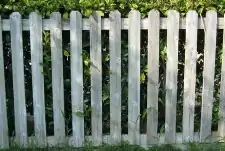
Dēļu žogs
Etymology
Apparently originally a dialectal (Curonian or Selonian) word of uncertain etymology. A possible connection with the verb žūt (“to dry”) has been suggested, so that žogs would have originally meant 'dry wood,' the kind used to make fences. Cognates include Lithuanian dialectal džúogas, žúogas (“fallen spruce; fence made of fallen knotty trees”).[1]
Pronunciation
- IPA(key): [ʒùoɡs]
Noun
žogs m (1st declension)
- fence (a barrier or enclosure surrounding and protecting a certain area or territory)
- zedeņu, dēļu, latiņu žogs ― wattle, plank, bar fence
- režģa, mūra žogs ― lattice, masonry fence
- stiepļu pinuma žogs ― wire mesh fence
- dzeloņsptieļu žogs ― barbed wire fence
- pīts žogs ― wicker fence
- rāpties pār žogu ― to climb over the fence
- vēctevs apjoza kalna kapsētu ar baltu bērza žogu ― grandfather surrounded the mountain cemetery with a white birch (wooden) fence
- hedge (a fence made of living plants, bushes)
- eglīšu žogs ― spruce hedge
- ceļa pusē, aiz ceriņu un mežrožu žoga, plauka ābeles ― by the road, behind the lilac and rose hedge, apple trees flourished
Declension
Declension of žogs (1st declension)
Derived terms
References
- Karulis, Konstantīns (1992), “žogs”, in Latviešu Etimoloģijas Vārdnīca (in Latvian), Rīga: AVOTS, →ISBN.
This article is issued from Wiktionary. The text is licensed under Creative Commons - Attribution - Sharealike. Additional terms may apply for the media files.