վուշ
Armenian

Etymology
From Old Armenian վուշ (vuš).
Pronunciation
- (Eastern Armenian, standard) IPA(key): [vuʃ]
- (Western Armenian, standard) IPA(key): [vuʃ]
Declension
| singular | plural | |||
|---|---|---|---|---|
| nominative | վուշ (vuš) | վուշեր (vušer) | ||
| dative | վուշի (vuši) | վուշերի (vušeri) | ||
| ablative | վուշից (vušicʿ) | վուշերից (vušericʿ) | ||
| instrumental | վուշով (vušov) | վուշերով (vušerov) | ||
| locative | վուշում (vušum) | վուշերում (vušerum) | ||
| definite forms | ||||
| nominative | վուշը/վուշն (vušə/vušn) | վուշերը/վուշերն (vušerə/vušern) | ||
| dative | վուշին (vušin) | վուշերին (vušerin) | ||
| 1st person possessive forms (my) | ||||
| nominative | վուշս (vušs) | վուշերս (vušers) | ||
| dative | վուշիս (vušis) | վուշերիս (vušeris) | ||
| ablative | վուշիցս (vušicʿs) | վուշերիցս (vušericʿs) | ||
| instrumental | վուշովս (vušovs) | վուշերովս (vušerovs) | ||
| locative | վուշումս (vušums) | վուշերումս (vušerums) | ||
| 2nd person possessive forms (your) | ||||
| nominative | վուշդ (vušd) | վուշերդ (vušerd) | ||
| dative | վուշիդ (vušid) | վուշերիդ (vušerid) | ||
| ablative | վուշիցդ (vušicʿd) | վուշերիցդ (vušericʿd) | ||
| instrumental | վուշովդ (vušovd) | վուշերովդ (vušerovd) | ||
| locative | վուշումդ (vušumd) | վուշերումդ (vušerumd) | ||
Old Armenian
Etymology
The origin is unknown.
Perhaps connected with Aramaic בּוּצָא (būṣā), Classical Syriac ܒܘܨܐ (būṣā), Hebrew בּוּץ (būṣ), Ancient Greek βύσσος (bússos) and Old Armenian բեհեզ (behez). Also recalls Punic 𐤐𐤔𐤕 (pšt /pišt/, “flax; linen”), Hebrew פֵּשֶׁת (pēšeṯ, “flax; linen”), פִּשְׁתָּה (pištā́, “flax”), Ugaritic 𐎔𐎘𐎚 (pṯt, “linen”), which is not necessarily unrelated. Even more, Persian وش (vaš, “flax or boll thereof; uncleaned cotton; a kind of rich satin or other textile”). If the primitive meaning refers to the seed vessels of flax, then Classical Syriac ܘܐܪܫܐ (wʾršʾ), ܘܪܘܫ (wrwš), ܘܪܝܫܐ (wryšʾ), ܘܪܫܐ (wršʾ), Arabic وَرْس (wars), وُرْس (wurs), وُرُس (wurus), وَرَس (waras, “Flemingia macrophylla, especially its glands”) may be related.
Noun
վուշ • (vuš)
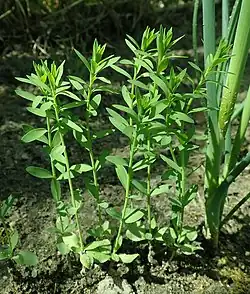
- flax (plant)
- tow, hards of flax, flaxen tow, stuffing; oakum
- 5th century, Bible, Daniel 3.46:[1]
- Եւ ոչ դադարէին որք արկին զնոսա սպասաւորք թագաւորին ի հնոցն բորբոքելոյ նաւթիւ եւ ձիթով եւ վշով եւ որթով:
- Ew očʿ dadarēin orkʿ arkin znosa spasaworkʿ tʿagaworin i hnocʿn borbokʿeloy nawtʿiw ew jitʿov ew všov ew ortʿov:
- Translation by New Revised Standard Version Catholic Edition
- Now the king’s servants who threw them in kept stoking the furnace with naphtha, pitch, tow, and brushwood.
- Եւ ոչ դադարէին որք արկին զնոսա սպասաւորք թագաւորին ի հնոցն բորբոքելոյ նաւթիւ եւ ձիթով եւ վշով եւ որթով:
Declension
Derived terms
- վշագործ (všagorc)
References
- Cowe, S. Peter (1992) The Armenian version of Daniel (University of Pennsylvania Armenian texts and studies; 9), Atlanta, Georgia: Scholars Press, page 170
Further reading
- Ačaṙean, Hračʿeay (1971–1979), “վուշ”, in Hayerēn armatakan baṙaran [Armenian Etymological Dictionary] (in Armenian), 2nd edition, a reprint of the original 1926–1935 seven-volume edition, Yerevan: University Press
- Awetikʿean, G.; Siwrmēlean, X.; Awgerean, M. (1836–1837), “վուշ”, in Nor baṙgirkʿ haykazean lezui [New Dictionary of the Armenian Language] (in Old Armenian), Venice: S. Lazarus Armenian Academy
- Olsen, Birgit Anette (1999) The noun in Biblical Armenian: origin and word-formation: with special emphasis on the Indo-European heritage (Trends in linguistics. Studies and monographs; 119), Berlin, New York: Mouton de Gruyter, page 947
- Petrosean, H. Matatʿeay V. (1879), “վուշ”, in Nor Baṙagirkʿ Hay-Angliarēn [New Dictionary Armenian–English], Venice: S. Lazarus Armenian Academy