رنده
Azerbaijani
| Cyrillic | рәндә | |
|---|---|---|
| Perso-Arabic | رنده | |
Noun
رنده (rəndə) (definite accusative رندهنی (rəndəni), plural رندهلر (rəndələr))
- Arabic spelling of rəndə
Declension
Declension of رنده
| singular | plural | |
|---|---|---|
| nominative | رنده | رندهلر |
| definite accusative | رندهنی | رندهلری |
| dative | رندهیه | رندهلره |
| locative | رندهده | رندهلرده |
| ablative | رندهدن | رندهلردن |
| definite genitive | رندهنین | رندهلرین |
Ottoman Turkish
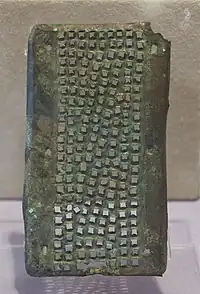
رنده
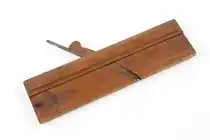
رنده
Descendants
References
- Поленаковиќ, Харалампие (2007), “1289. RÉNDǍ”, in Зузана Тополињска, Петар Атанасов, editors, Турските елементи во ароманскиот, put into Macedonian from the author’s Serbo-Croatian Turski elementi u aromunskom dijalektu (1939, unpublished) by Веселинка Лаброска, Скопје: Македонска академија на науките и уметностите, →ISBN, page 169
Persian
Etymology
From the verb رَندیدَن (randidan, “to grate, to scrape”), see there for further information.
Pronunciation
- (Classical Persian): IPA(key): /ɾanda/
- (Dari): IPA(key): /ɾanda/
- (Iranian Persian): IPA(key): /ɾænde/
- (Tajik): IPA(key): /ɾanda/
Noun
| Dari | رنده |
|---|---|
| Iranian Persian | |
| Tajik | ранда (randa) |
رنده • (rande)
This article is issued from Wiktionary. The text is licensed under Creative Commons - Attribution - Sharealike. Additional terms may apply for the media files.