قلة
Arabic
Etymology 1
From the root ق ل ل (q-l-l).
Noun
قِلَّة • (qilla) f (plural قِلَل (qilal))
- verbal noun of قَلَّ (qalla) (form I)
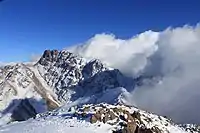
- littleness, smallness, scarceness, fewness
- lack, want, poverty
- fit of trembling
Declension
| Singular | singular triptote in ـَة (-a) | ||
|---|---|---|---|
| Indefinite | Definite | Construct | |
| Informal | قِلَّة qilla |
الْقِلَّة al-qilla |
قِلَّة qillat |
| Nominative | قِلَّةٌ qillatun |
الْقِلَّةُ al-qillatu |
قِلَّةُ qillatu |
| Accusative | قِلَّةً qillatan |
الْقِلَّةَ al-qillata |
قِلَّةَ qillata |
| Genitive | قِلَّةٍ qillatin |
الْقِلَّةِ al-qillati |
قِلَّةِ qillati |
| Dual | Indefinite | Definite | Construct |
| Informal | قِلَّتَيْن qillatayn |
الْقِلَّتَيْن al-qillatayn |
قِلَّتَيْ qillatay |
| Nominative | قِلَّتَانِ qillatāni |
الْقِلَّتَانِ al-qillatāni |
قِلَّتَا qillatā |
| Accusative | قِلَّتَيْنِ qillatayni |
الْقِلَّتَيْنِ al-qillatayni |
قِلَّتَيْ qillatay |
| Genitive | قِلَّتَيْنِ qillatayni |
الْقِلَّتَيْنِ al-qillatayni |
قِلَّتَيْ qillatay |
| Plural | basic broken plural triptote | ||
| Indefinite | Definite | Construct | |
| Informal | قِلَل qilal |
الْقِلَل al-qilal |
قِلَل qilal |
| Nominative | قِلَلٌ qilalun |
الْقِلَلُ al-qilalu |
قِلَلُ qilalu |
| Accusative | قِلَلًا qilalan |
الْقِلَلَ al-qilala |
قِلَلَ qilala |
| Genitive | قِلَلٍ qilalin |
الْقِلَلِ al-qilali |
قِلَلِ qilali |
Descendants
- → Azerbaijani: qillət
- → Catalan: arguell
- → Aragonese: arguello
- → Navarran Spanish: arguello
- → Persian: قلت (qellet)
- → Ottoman Turkish: قلت (kıllet)
Declension
| Singular | singular triptote in ـَة (-a) | ||
|---|---|---|---|
| Indefinite | Definite | Construct | |
| Informal | قُلَّة qulla |
الْقُلَّة al-qulla |
قُلَّة qullat |
| Nominative | قُلَّةٌ qullatun |
الْقُلَّةُ al-qullatu |
قُلَّةُ qullatu |
| Accusative | قُلَّةً qullatan |
الْقُلَّةَ al-qullata |
قُلَّةَ qullata |
| Genitive | قُلَّةٍ qullatin |
الْقُلَّةِ al-qullati |
قُلَّةِ qullati |
| Dual | Indefinite | Definite | Construct |
| Informal | قُلَّتَيْن qullatayn |
الْقُلَّتَيْن al-qullatayn |
قُلَّتَيْ qullatay |
| Nominative | قُلَّتَانِ qullatāni |
الْقُلَّتَانِ al-qullatāni |
قُلَّتَا qullatā |
| Accusative | قُلَّتَيْنِ qullatayni |
الْقُلَّتَيْنِ al-qullatayni |
قُلَّتَيْ qullatay |
| Genitive | قُلَّتَيْنِ qullatayni |
الْقُلَّتَيْنِ al-qullatayni |
قُلَّتَيْ qullatay |
| Plural | basic broken plural triptote | ||
| Indefinite | Definite | Construct | |
| Informal | قُلَل qulal |
الْقُلَل al-qulal |
قُلَل qulal |
| Nominative | قُلَلٌ qulalun |
الْقُلَلُ al-qulalu |
قُلَلُ qulalu |
| Accusative | قُلَلًا qulalan |
الْقُلَلَ al-qulala |
قُلَلَ qulala |
| Genitive | قُلَلٍ qulalin |
الْقُلَلِ al-qulali |
قُلَلِ qulali |
Descendants
Etymology 3
Borrowed from Aramaic קוּלְתָא (qulləṯā), same. From Akkadian 𒄣𒇷𒌋 (qulliu, “a bowl”), older Akkadian 𒄖𒌌𒇻 (gullu, “a container”), also Akkadian 𒄖𒌌𒆷𒌅 (gullatu, “ewer”). Also exists as Biblical Hebrew גֻלָּה (gullāh), Ugaritic 𐎂𐎍 (gl), Eblaite 𒄘𒇷𒈝 (GÚ-LI-LUM). Directly from Classical Syriac ܩܽܘܠܬܳܐ (qulləṯā): Latin culullus (“wine jug”), Ancient Greek κόλλαθον (kóllathon, “a unit of liquid measure used in Syria”) (also rendered as Latin collathum and reborrowed as Classical Syriac ܩܘܠܐܬܘܢ / ܩܘܠܬܘܢ). Also from Semitic: Ancient Greek γαυλός (gaulós, “a kind of round vase for drinking”) and γαῦλος (gaûlos, “a kind of Punic freight vessel”), from which both Latin gaulus.
Alternative forms
- جُلَّة (julla)
Noun
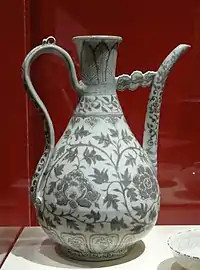
قُلَّة • (qulla) f (plural قِلَال (qilāl))
- jug, jar, pitcher, ewer (especially of wine)
- 7th century CE, Ṣaḥīḥ Muslim, 34:27:
- رَأَيْتُنَا نَغْتَرِفُ مِنْ وَقْبِ عَيْنِهِ [ٱلْعَنْبَرِ] بِٱلْقِلَالِ الدُّهْنَ وَنَقْتَطِعُ مِنْهُ الْفِدَرَ كَٱلثَّوْرِ أَوْ كَقَدْرِ الثَّوْرِ
- raʔaytunā naḡtarifu min waqbi ʕaynihi [l-ʕanbari] bi-l-qilāli d-duhna wanaqtaṭiʕu minhu l-fidara kaṯ-ṯawri ʔaw kaqadri ṯ-ṯawri
- I saw how we extracted pitcher after pitcher full of fat from the cavity of its [the sperm whale’s] eye, and cut from it pieces of meat resembling a bull or being of the measure of a bull.
- 7th century CE, Ṣaḥīḥ Muslim, 36:6:
- فَإِنَّ الْخَمْرَ قَدْ حُرِّمَتْ فَقَالَ يَا أَنَسُ أَرِقْ هَذِهِ الْقِلَالَ
- faʔinna l-ḵamra qad ḥurrimat faqāla yā ʔanasu ʔariq haḏihi l-qilāla
- Verily, wine has been forbidden. O Anas, spill these pitchers!
-
Declension
| Singular | singular triptote in ـَة (-a) | ||
|---|---|---|---|
| Indefinite | Definite | Construct | |
| Informal | قُلَّة qulla |
الْقُلَّة al-qulla |
قُلَّة qullat |
| Nominative | قُلَّةٌ qullatun |
الْقُلَّةُ al-qullatu |
قُلَّةُ qullatu |
| Accusative | قُلَّةً qullatan |
الْقُلَّةَ al-qullata |
قُلَّةَ qullata |
| Genitive | قُلَّةٍ qullatin |
الْقُلَّةِ al-qullati |
قُلَّةِ qullati |
| Dual | Indefinite | Definite | Construct |
| Informal | قُلَّتَيْن qullatayn |
الْقُلَّتَيْن al-qullatayn |
قُلَّتَيْ qullatay |
| Nominative | قُلَّتَانِ qullatāni |
الْقُلَّتَانِ al-qullatāni |
قُلَّتَا qullatā |
| Accusative | قُلَّتَيْنِ qullatayni |
الْقُلَّتَيْنِ al-qullatayni |
قُلَّتَيْ qullatay |
| Genitive | قُلَّتَيْنِ qullatayni |
الْقُلَّتَيْنِ al-qullatayni |
قُلَّتَيْ qullatay |
| Plural | basic broken plural triptote | ||
| Indefinite | Definite | Construct | |
| Informal | قِلَال qilāl |
الْقِلَال al-qilāl |
قِلَال qilāl |
| Nominative | قِلَالٌ qilālun |
الْقِلَالُ al-qilālu |
قِلَالُ qilālu |
| Accusative | قِلَالًا qilālan |
الْقِلَالَ al-qilāla |
قِلَالَ qilāla |
| Genitive | قِلَالٍ qilālin |
الْقِلَالِ al-qilāli |
قِلَالِ qilāli |
Descendants
Noun
قُلَّة • (qulla) f (plural قُلَل (qulal))
- Alternative form of كُلَّة (kulla, “cannonball; marble”)
Declension
| Singular | singular triptote in ـَة (-a) | ||
|---|---|---|---|
| Indefinite | Definite | Construct | |
| Informal | قُلَّة qulla |
الْقُلَّة al-qulla |
قُلَّة qullat |
| Nominative | قُلَّةٌ qullatun |
الْقُلَّةُ al-qullatu |
قُلَّةُ qullatu |
| Accusative | قُلَّةً qullatan |
الْقُلَّةَ al-qullata |
قُلَّةَ qullata |
| Genitive | قُلَّةٍ qullatin |
الْقُلَّةِ al-qullati |
قُلَّةِ qullati |
| Dual | Indefinite | Definite | Construct |
| Informal | قُلَّتَيْن qullatayn |
الْقُلَّتَيْن al-qullatayn |
قُلَّتَيْ qullatay |
| Nominative | قُلَّتَانِ qullatāni |
الْقُلَّتَانِ al-qullatāni |
قُلَّتَا qullatā |
| Accusative | قُلَّتَيْنِ qullatayni |
الْقُلَّتَيْنِ al-qullatayni |
قُلَّتَيْ qullatay |
| Genitive | قُلَّتَيْنِ qullatayni |
الْقُلَّتَيْنِ al-qullatayni |
قُلَّتَيْ qullatay |
| Plural | basic broken plural triptote | ||
| Indefinite | Definite | Construct | |
| Informal | قُلَل qulal |
الْقُلَل al-qulal |
قُلَل qulal |
| Nominative | قُلَلٌ qulalun |
الْقُلَلُ al-qulalu |
قُلَلُ qulalu |
| Accusative | قُلَلًا qulalan |
الْقُلَلَ al-qulala |
قُلَلَ qulala |
| Genitive | قُلَلٍ qulalin |
الْقُلَلِ al-qulali |
قُلَلِ qulali |
References
- “qwlh”, in The Comprehensive Aramaic Lexicon Project, Cincinnati: Hebrew Union College, 1986–
- “qwltwn”, in The Comprehensive Aramaic Lexicon Project, Cincinnati: Hebrew Union College, 1986–
- “qulliu”, in The Assyrian Dictionary of the Oriental Institute of the University of Chicago (CAD), volume 13, Q, Chicago: University of Chicago Oriental Institute, 1982, pages 297–298
- “gullatu, gullu”, in The Assyrian Dictionary of the Oriental Institute of the University of Chicago (CAD), volume 5, G, Chicago: University of Chicago Oriental Institute, 1956, page 129
- Behnstedt, Peter; Woidich, Manfred (2012) Wortatlas der arabischen Dialekte – Band II: Materielle Kultur (Handbook of Oriental Studies – Handbuch der Orientalistik; 100/II) (in German), Leiden, The Netherlands: Brill, , →ISBN, pages 148–149
- Corriente, Federico (2008), “قلة”, in Dictionary of Arabic and Allied Loanwords. Spanish, Portuguese, Catalan, Galician and Kindred Dialects (Handbook of Oriental Studies; 97), Leiden: Brill, →ISBN, page 86
- Fraenkel, Siegmund (1886) Die aramäischen Fremdwörter im Arabischen (in German), Leiden: E. J. Brill, pages 170–171
- Fraenkel, Siegmund (1880) De vocabulis in antiquis Arabum carminibus et in Corano peregrinis (in Latin), Leiden: E. J. Brill, pages 15–16
- Freytag, Georg (1835), “قلة”, in Lexicon arabico-latinum praesertim ex Djeuharii Firuzabadiique et aliorum Arabum operibus adhibitis Golii quoque et aliorum libris confectum (in Latin), volume 3, Halle: C. A. Schwetschke, page 484
- Kaufman, Stephen A. (1974) The Akkadian Influences on Aramaic (The Oriental Institute of the University of Chicago Assyriological Studies; 19), Chicago and London: The University of Chicago Press, →ISBN, page 86
- Lane, Edward William (1863), “قلة”, in Arabic-English Lexicon, London: Williams & Norgate, page 437
- Olmo Lete, Gregorio del; Sanmartín, Joaquín; Watson, Wilfred G. E. (2015), “gl (II)”, in A Dictionary of the Ugaritic Language in the Alphabetic Tradition (Handbook of Oriental Studies; 112), 3rd edition, Leiden: Brill, →ISBN, page 297
- Schubert, Alexander T.; Sijpesteijn, Petra M. (2014) Documents and the History of the Early Islamic World, Leiden, Boston: Brill, →ISBN, pages 211–213
- Steingass, Francis Joseph (1884), “قلة”, in The Student's Arabic–English Dictionary, London: W.H. Allen, page 851