ܚܘܛܡܠܠܐ
Assyrian Neo-Aramaic
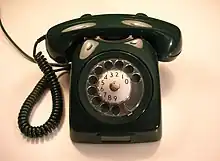
ܚܘܛܡܠܠܐ

ܚܘܛܡܠܠܐ ܕܐܝܕܐ
Etymology
| Root |
|---|
| ܡ ܠ ܠ (m l l) |
| 2 terms |
Neologism coined and suggested by Bailis Shamun, from ܚܘܼܛܵܐ (ḥuṭā, “string, line”) + ܡܲܠܵܠܵܐ (mallālā, “speaker”)
Pronunciation
- (standard) IPA(key): [xuːtˤɑːmal.lɑːlɑ]
Noun
ܚܘܼܛܵܡܲܠܵܠܵܐ • (ḥuṭāmallālā) m (plural ܚܘܼܛܵܡܲܠܵܠܹ̈ܐ (ḥuṭāmallālē))
- (communication) telephone, phone (device and system for communicating and transmitting voices over a distance using wire or radio, by converting acoustic vibrations to electrical signals)
- ܬܸܡܲܠ ܒܠܲܝܠܹܐ، ܚܘܼܛܵܡܲܠܵܠܵܐ ܩܵܡ ܡܲܪܥܸܫ ܠܝܼ، ܐܵܦܸܢ ܩܵܠܵܐ ܠܹܐ ܝܗ݇ܘܵܐ ܪܵܒܵܐ ܪܵܡܵܐ
- timmal blaylē, ḥuṭāmallālā qām marʿiš lī, āpin qālā lē-ìwā rābā rāmā
- Last night, the telephone woke me up, even though the sound wasn't very loud.
- Synonyms: ܦܪܵܣܡܲܠܵܠܵܐ (prāsmallālā), ܬܸܠܸܦ̮ܘܿܢ (tillifon)
Inflection
Inflection of ܚܘܼܛܵܡܲܠܵܠܵܐ (ḥuṭāmallālā)
| number | isolated forms | with possessive pronouns | |||||
|---|---|---|---|---|---|---|---|
| state | form | person | singular | plural | |||
| m | f | ||||||
| singular | absolute | – | 1st person | ܚܘܼܛܵܡܲܠܵܠܝܼ (ḥuṭāmallālī) |
ܚܘܼܛܵܡܲܠܵܠܲܢ (ḥuṭāmallālan) | ||
| construct | ܚܘܼܛܵܡܲܠܵܠ (ḥuṭāmallāl) |
2nd person | ܚܘܼܛܵܡܲܠܵܠܘܼܟ݂ (ḥuṭāmallāluḵ) |
ܚܘܼܛܵܡܲܠܵܠܵܟ݂ܝ (ḥuṭāmallālāḵ) |
ܚܘܼܛܵܡܲܠܵܠܵܘܟ݂ܘܿܢ (ḥuṭāmallālāwḵon) | ||
| emphatic | ܚܘܼܛܵܡܲܠܵܠܵܐ (ḥuṭāmallālā) |
3rd person | ܚܘܼܛܵܡܲܠܵܠܹܗ (ḥuṭāmallālēh) |
ܚܘܼܛܵܡܲܠܵܠܘܿܗ̇ (ḥuṭāmallāloh) |
ܚܘܼܛܵܡܲܠܵܠܗܘܿܢ (ḥuṭāmallālhon) | ||
| plural | absolute | – | 1st person | ܚܘܼܛܵܡܲܠܵܠܝܼ̈ (ḥuṭāmallālī) |
ܚܘܼܛܵܡܲܠܵܠܲܢ̈ (ḥuṭāmallālan) | ||
| construct | ܚܘܼܛܵܡܲܠܵܠܲܝ̈ (ḥuṭāmallālay) |
2nd person | ܚܘܼܛܵܡܲܠܵܠܘܼ̈ܟ݂ (ḥuṭāmallāluḵ) |
ܚܘܼܛܵܡܲܠܵܠܵܟ݂ܝ̈ (ḥuṭāmallālāḵ) |
ܚܘܼܛܵܡܲܠܵܠܵܘ̈ܟ݂ܘܿܢ (ḥuṭāmallālāwḵon) | ||
| emphatic | ܚܘܼܛܵܡܲܠܵܠܹ̈ܐ (ḥuṭāmallālē) |
3rd person | ܚܘܼܛܵܡܲܠܵܠܘܼ̈ܗܝ (ḥuṭāmallāluh) |
ܚܘܼܛܵܡܲܠܵܠ̈ܘܿܗ̇ (ḥuṭāmallāloh) |
ܚܘܼܛܵܡܲܠܵܠܗ̈ܘܿܢ (ḥuṭāmallālhon) | ||
Derived terms
- ܚܘܼܛܵܡܲܠܸܠ (ḥuṭāmallil, “to telephone”)
- ܚܘܼܛܵܡܠܝܼܠܘܼܬܵܐ (ḥuṭāmlilutā, “telephony”)
- ܚܘܼܛܵܡܲܠܵܠܵܐ ܕܐܝܼܕܐ (ḥuṭāmallālā d-īdā, “mobile phone, cell phone”)
- ܡܲܚܒܲܪܬܵܐ ܕܚܘܼܛܵܡܲܠܵܠܵܐ (maḥbartā d-ḥuṭāmallālā, “telephone call”)
- ܪܲܩܡܵܐ ܕܚܘܼܛܵܡܲܠܵܠܵܐ (raqmā d-ḥuṭāmallālā, “telephone number”)
This article is issued from Wiktionary. The text is licensed under Creative Commons - Attribution - Sharealike. Additional terms may apply for the media files.