卍
| ||||||||
| ||||||||
Translingual
Han character
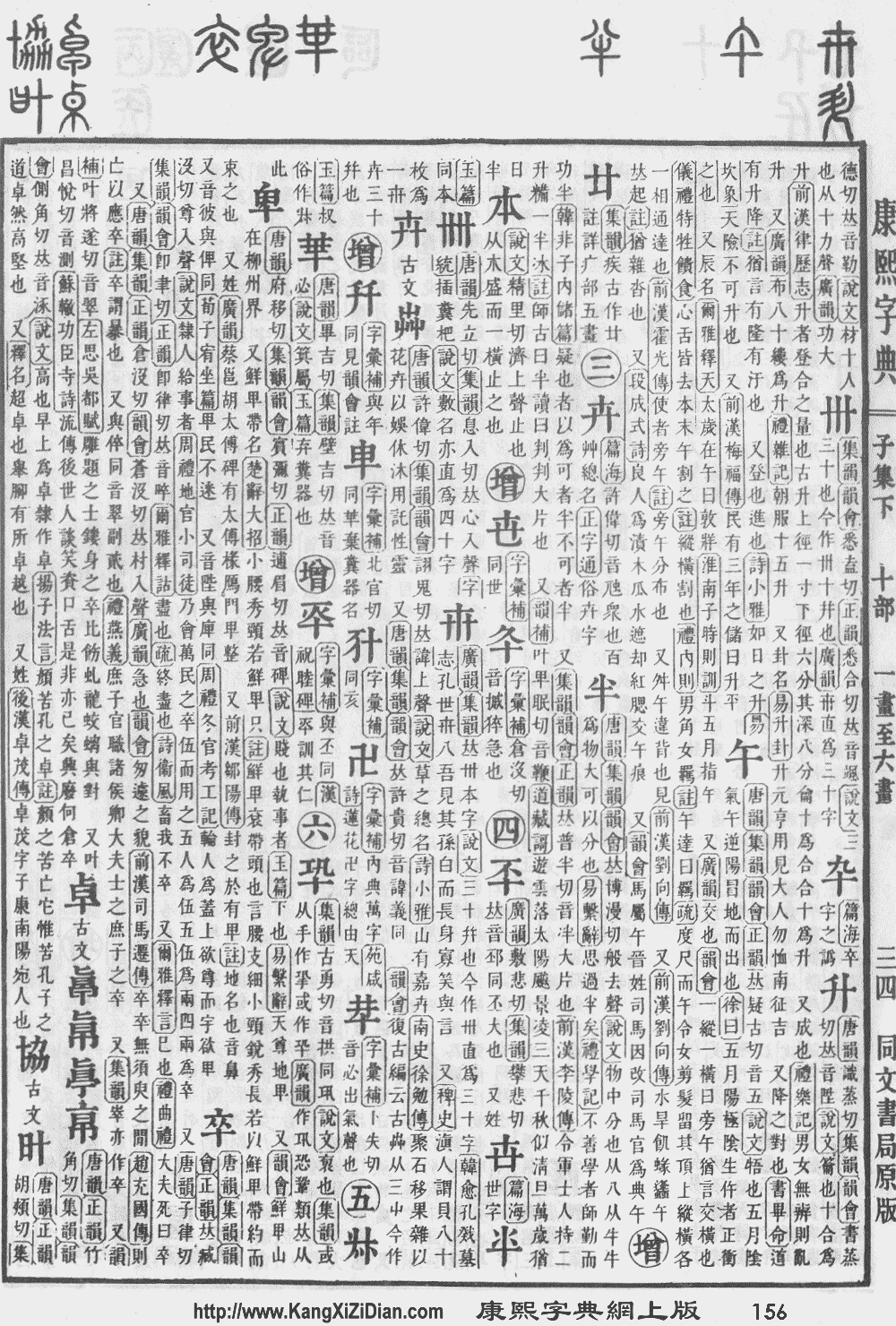
卍 (Kangxi radical 24, 十+4, 6 strokes, cangjie input 弓X (NX), four-corner 12217, composition ⿻㇅⿳丨一丨 or ⿻⿱⿰一丨⿰丨一十)
- The left-facing swastika.
References
- KangXi: page 156, character 21
- Dai Kanwa Jiten: character 2724
- Dae Jaweon: page 356, character 8
- Hanyu Da Zidian (first edition): volume 1, page 51, character 15
- Unihan data for U+534D
Japanese
Pronunciation
Noun
卍 • (manji)
- swastika, especially a left-facing swastika[3]
- (cartography) indicates a Buddhist temple on maps
- (youth slang) awesome, hype
References
- The Japanese Wikipedia
- 2006, 大辞林 (Daijirin), Third Edition (in Japanese), Tōkyō: Sanseidō, →ISBN
- 2002, Ineko Kondō; Fumi Takano; Mary E Althaus; et. al., Shogakukan Progressive Japanese-English Dictionary, Third Edition, Tokyo: Shōgakukan, →ISBN.
Korean
Hanja
卍 (eum 만 (man))
- This term needs a translation to English. Please help out and add a translation, then remove the text
{{rfdef}}.
Vietnamese
This article is issued from Wiktionary. The text is licensed under Creative Commons - Attribution - Sharealike. Additional terms may apply for the media files.