㞢
| ||||||||
Translingual
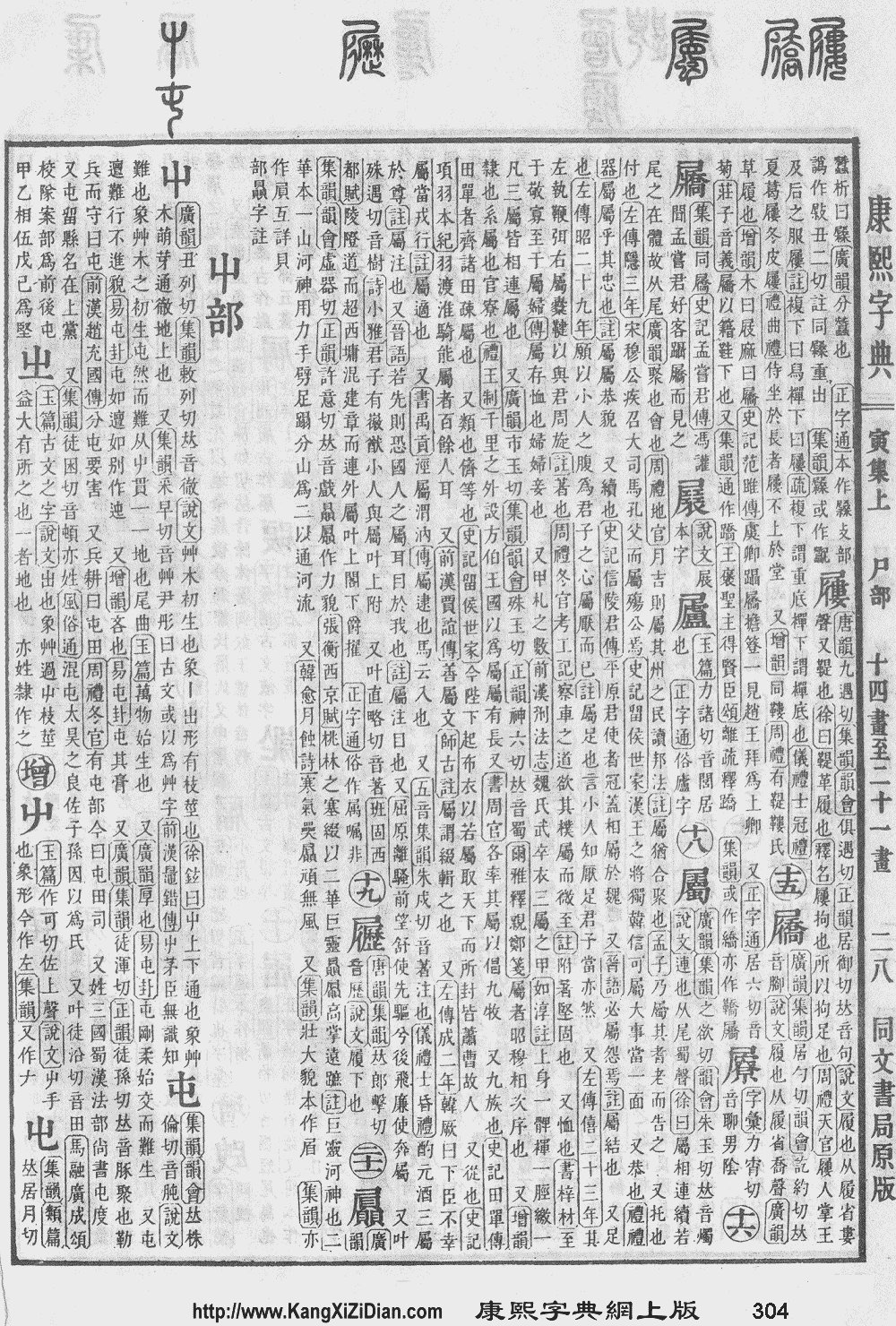
Han character
㞢 (Kangxi radical 45, 屮+1, 4 strokes, cangjie input 山一 (UM), composition ⿱屮一)
Descendants
References
- KangXi: page 304, character 12
- Hanyu Da Zidian (first edition): volume 2, page 1021, character 5
- Unihan data for U+37A2
Chinese
Glyph origin
| Historical forms of the character 㞢 | ||||||||||||||||||||||||||||||||||||||||||||||||||||||||||||||||||||||||||||||||||||||||||||||||||||||||||||||||||||||||||||||||||||||||||||||||||||||||||||||||||||||||||||||||||||||||||
|---|---|---|---|---|---|---|---|---|---|---|---|---|---|---|---|---|---|---|---|---|---|---|---|---|---|---|---|---|---|---|---|---|---|---|---|---|---|---|---|---|---|---|---|---|---|---|---|---|---|---|---|---|---|---|---|---|---|---|---|---|---|---|---|---|---|---|---|---|---|---|---|---|---|---|---|---|---|---|---|---|---|---|---|---|---|---|---|---|---|---|---|---|---|---|---|---|---|---|---|---|---|---|---|---|---|---|---|---|---|---|---|---|---|---|---|---|---|---|---|---|---|---|---|---|---|---|---|---|---|---|---|---|---|---|---|---|---|---|---|---|---|---|---|---|---|---|---|---|---|---|---|---|---|---|---|---|---|---|---|---|---|---|---|---|---|---|---|---|---|---|---|---|---|---|---|---|---|---|---|---|---|---|---|---|---|---|
| ||||||||||||||||||||||||||||||||||||||||||||||||||||||||||||||||||||||||||||||||||||||||||||||||||||||||||||||||||||||||||||||||||||||||||||||||||||||||||||||||||||||||||||||||||||||||||
|
References: Mostly from Richard Sears' Chinese Etymology site (authorisation),
|


Pictogram (象形) — a cattle head with horns. In the oracle bone script, 㞢 and 之 are different characters. In early oracle bone script, 㞢 was borrowed to represent 有 (OC *ɢʷɯʔ, “to have”). In late oracle bone script, 㞢 was replaced by 又 (OC *ɢʷɯs, “right hand”). Post-Qin dictionaries often treat 㞢 as an ancient form of 之 (OC *tjɯ).