冏
See also: 囧
| ||||||||
Translingual
Han character
冏 (Kangxi radical 13, 冂+5, 7 strokes, cangjie input 月金口 (BCR), four-corner 77220, composition ⿵冂㕣(G) or ⿵冂⿱儿口(HTJK))
References
- KangXi: page 129, character 12
- Dai Kanwa Jiten: character 1528
- Dae Jaweon: page 291, character 2
- Hanyu Da Zidian (first edition): volume 1, page 100, character 12
- Unihan data for U+518F
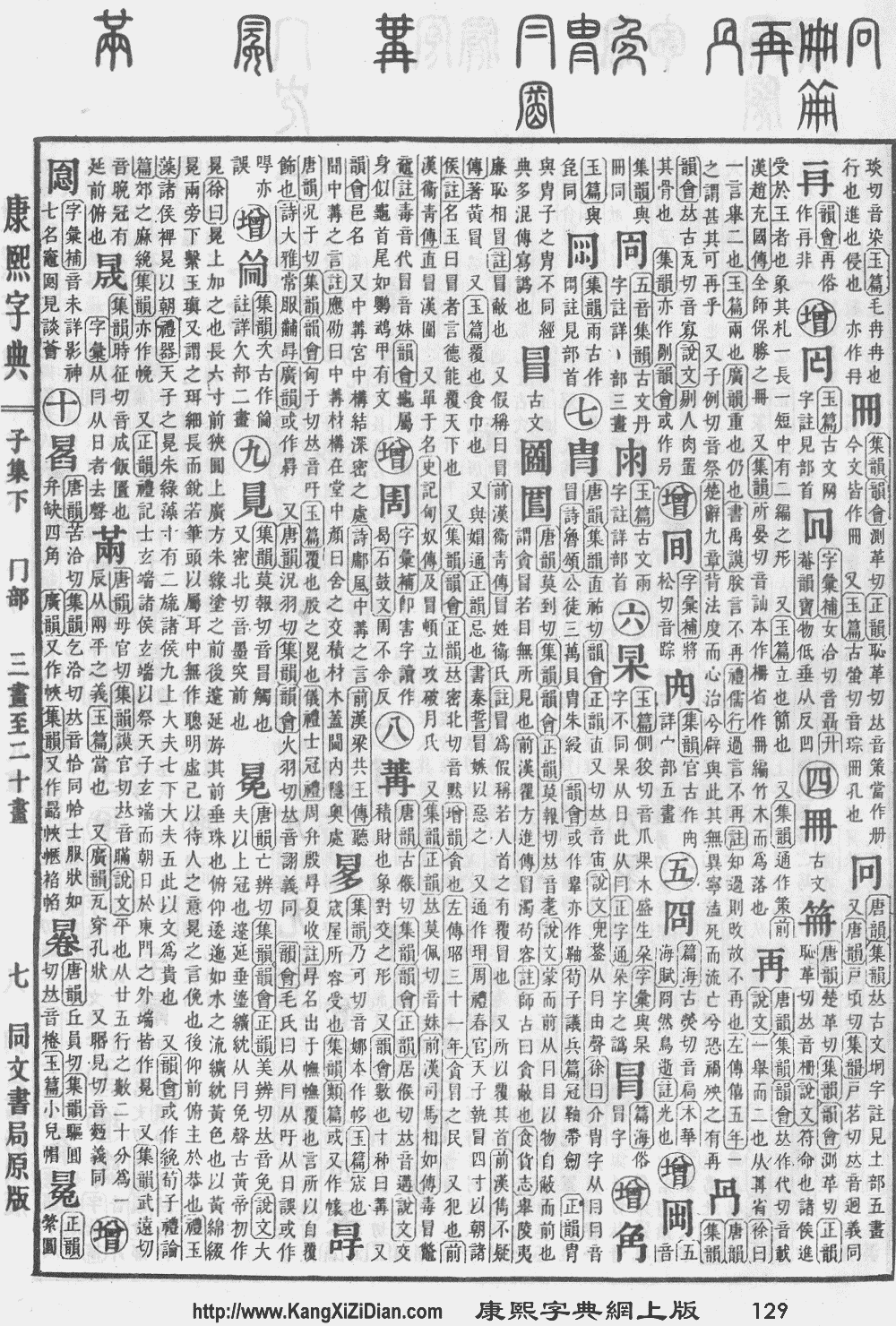
Chinese
Glyph origin
| Historical forms of the character 冏 | |
|---|---|
| Shang | Shuowen Jiezi (compiled in Han) |
| Oracle bone script | Small seal script |
 |
 |
Japanese
Korean
Hanja
Wikisource 冏 (eumhun 빛날 경 (binnal gyeong))
- (literary) Hanja form? of 경 (“to shine; to be bright”).
- Hanja form? of 경 (“Used in personal names”).
- 1412, “十二年 春正月, 三月 三十日”, in 《태종공정대왕실록》 (太宗恭定大王實錄) [Veritable Records of King Taejong Gongjeong] (in Literary Chinese), published 1431:
-
This article is issued from Wiktionary. The text is licensed under Creative Commons - Attribution - Sharealike. Additional terms may apply for the media files.