宔
| ||||||||
Translingual
Han character
宔 (Kangxi radical 40, 宀+5, 8 strokes, cangjie input 十卜土 (JYG), composition ⿱宀主)
References
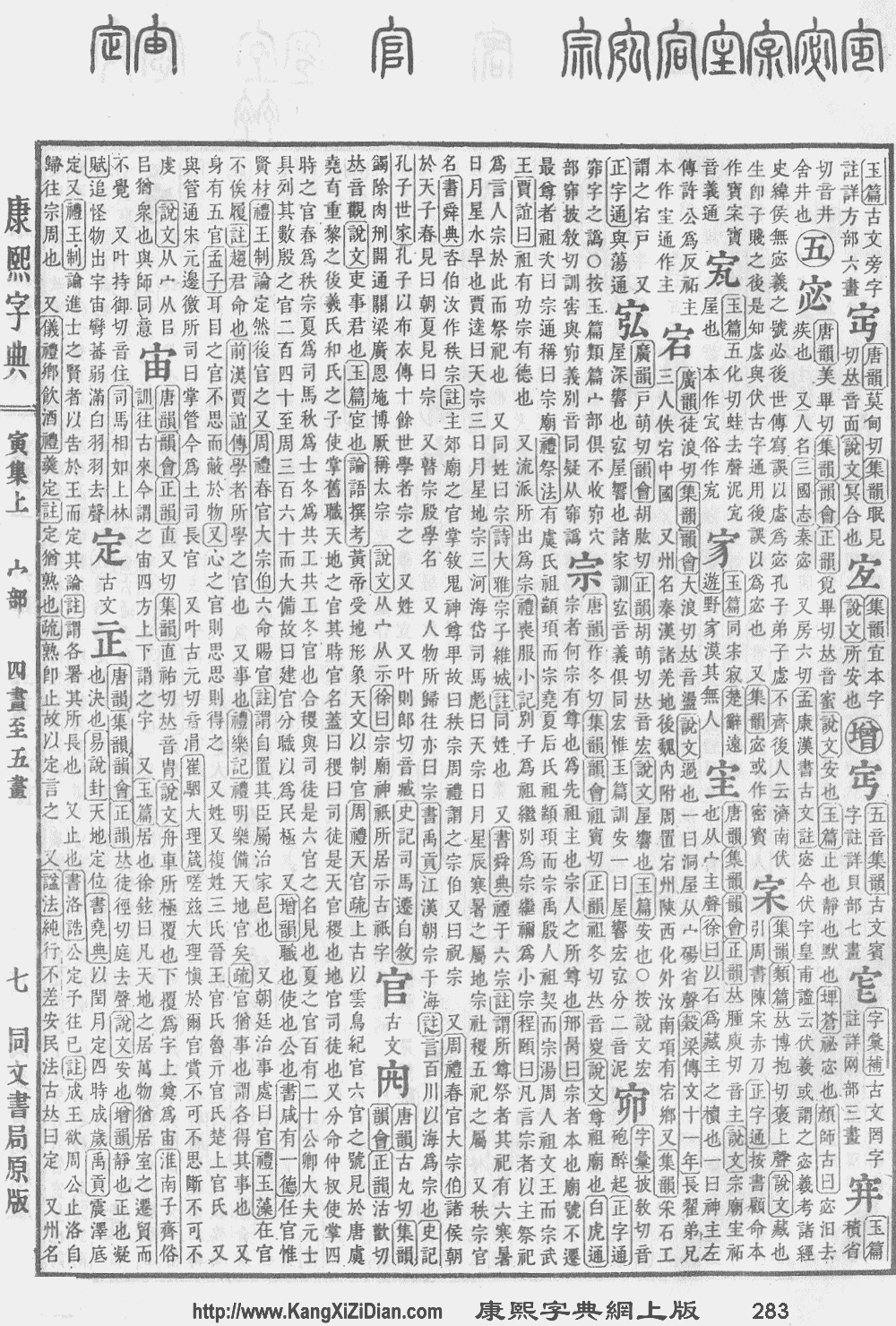
- KangXi: page 283, character 10
- Dai Kanwa Jiten: character 7102
- Dae Jaweon: page 556, character 20
- Hanyu Da Zidian (first edition): volume 2, page 923, character 1
- Unihan data for U+5B94
Chinese
| simp. and trad. |
宔 | |
|---|---|---|
Glyph origin
Pronunciation
Definitions
宔
- (Archaic) A stone box that contains a 神位 ― shénwèi ― Spirit tablet used to honor the memory of a recently diseased emperor and/or leader
References
- (Cantonese) Jyutping Database (粵拼資料庫)
Japanese
Kanji
宔
- (Archaic) A stone box containing a 位牌
- ihai
- mortuary tablet
This article is issued from Wiktionary. The text is licensed under Creative Commons - Attribution - Sharealike. Additional terms may apply for the media files.