彁

彁 U+5F41, 彁
CJK UNIFIED IDEOGRAPH-5F41
← 彀
[U+5F40]
CJK Unified Ideographs 彂 →
[U+5F42]

Translingual

Han character

彁 (Kangxi radical 57, 弓+10, 13 strokes, cangjie input 弓一口口 (NMRR), composition ⿰弓哥)

References

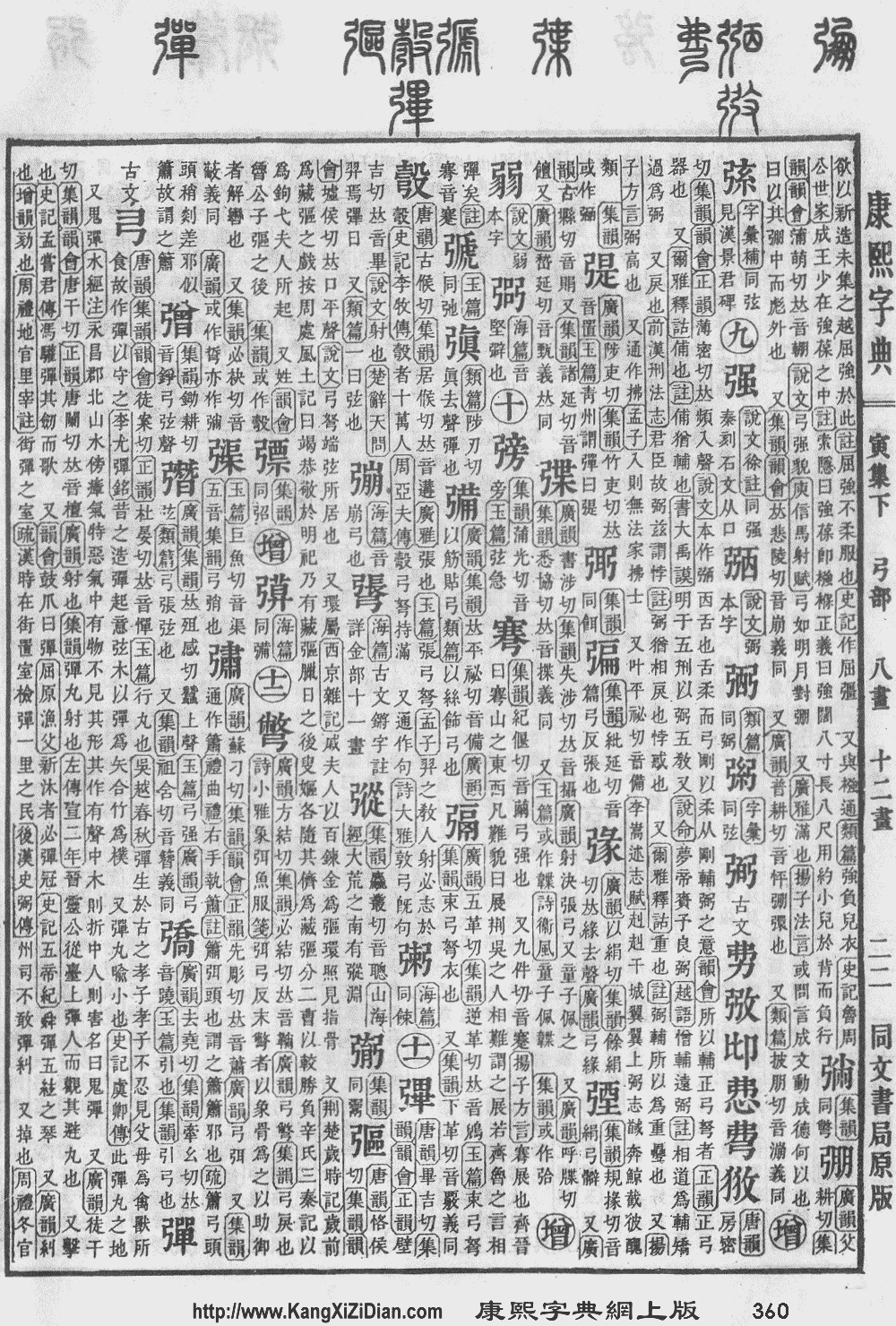
    • KangXi: not present, would follow page 360, character 30
    • Hanyu Da Zidian (first edition): not present, would follow volume 2, page 1001, character 5
    • Unihan data for U+5F41

    Japanese

    Glyph origin

    A 幽(ゆう)霊(れい)文(も)字(じ) (yūrei moji, “ghost character”), mistaken character which is registered in character code for Japanese, JIS X 0208); composed of the 弓 radical and 哥. Likely to be an error of 彊.[1]

    Kanji

    彁

    (uncommon “Hyōgai” kanji)

    1. a ghost character

    Readings

    • Kan’yō-on: せい (sei); か (ka)

    References

    1. What are the Yūrei Moji or Ghost Kanji? - SLJ FAQ
    1. Naokazu Hiruma, 大正十二年の幽霊文字, The Asahi
    This article is issued from Wiktionary. The text is licensed under Creative Commons - Attribution - Sharealike. Additional terms may apply for the media files.