榊

榊 U+698A, 榊
CJK UNIFIED IDEOGRAPH-698A
← 榉
[U+6989]
CJK Unified Ideographs 榋 →
[U+698B]

Translingual

Han character

榊 (Kangxi radical 75, 木+10, 14 strokes, cangjie input 木戈火中 (DIFL), composition ⿰木神)

References

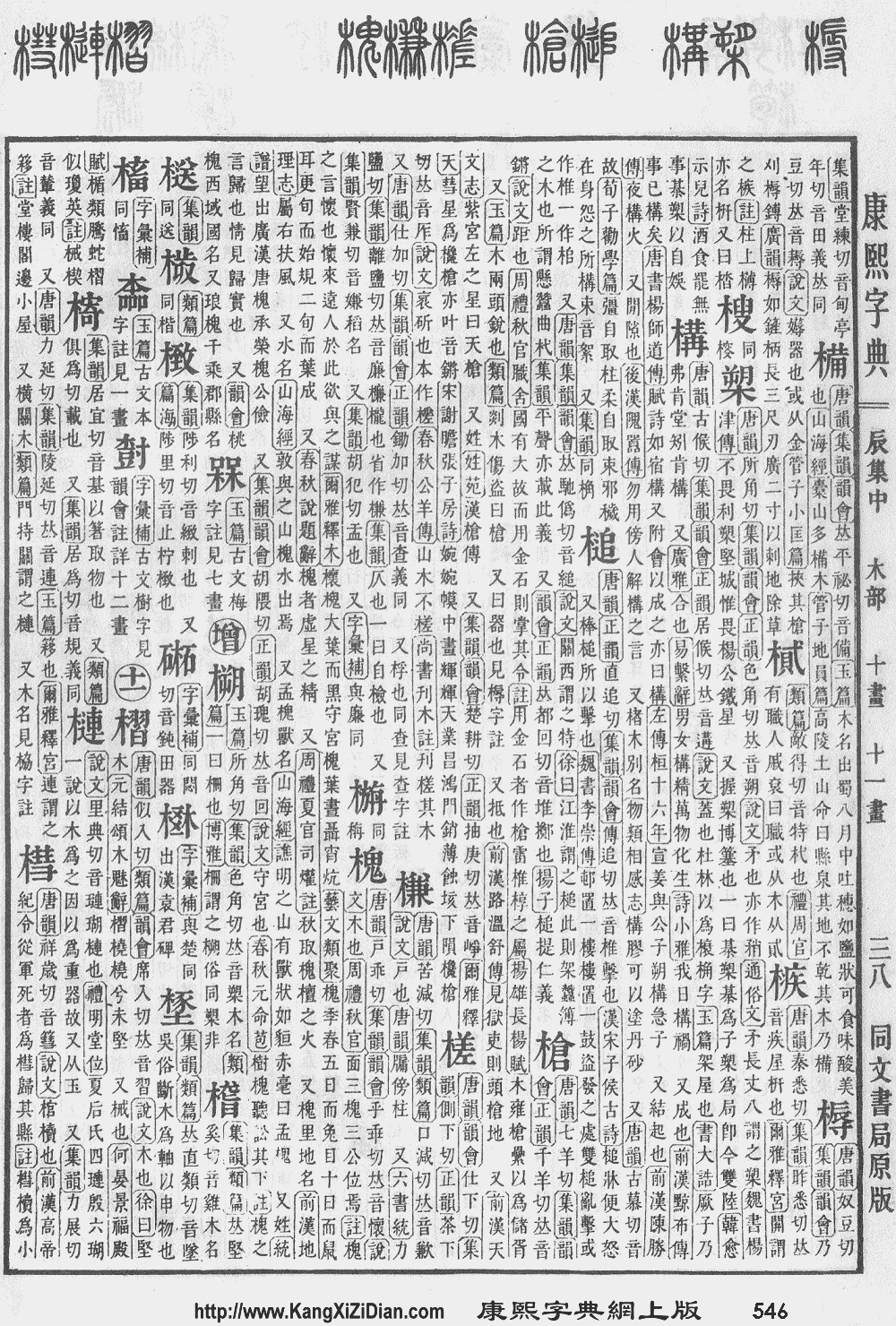
  • KangXi: not present, would follow page 546, character 25
  • Hanyu Da Zidian (first edition): not present, would follow volume 2, page 1256, character 6
  • Unihan data for U+698A

Chinese

simp. and trad.
榊

Glyph origin

Orthographic borrowing from Japanese 榊 (sakaki).

Etymology

Spelling pronunciation, as 神 (shén).

Pronunciation


Definitions

榊

  1. Cleyera japonica

Japanese

Glyph origin

A 国字 (kokuji, “Japanese-coined character”).

Kanji

榊

(“Jinmeiyō” kanji used for names)

Readings

  • Kun: さかき (sakaki, 榊)

Etymology

Kanji in this term
榊
さかき
Jinmeiyō
kun’yomi
Alternative spelling
賢木

The initial saka is cognate with verb 栄える (sakaeru, “to prosper, thrive”), while the final ki is definitely 木 (ki, “tree”).

Pronunciation

  • (Tokyo) さかき [sàkákí] (Heiban – [0])[1]
  • IPA(key): [sa̠ka̠kʲi]

Noun

榊(さかき) • (sakaki) 

  1. Cleyera japonica, a species of tree considered sacred in Shinto
  2. any evergreen tree planted within precincts of a Shinto shrine

Derived terms

Proper noun

榊(さかき) • (Sakaki) 

  1. a placename
  2. a female given name
  3. a surname

References

  1. 2006, 大辞林 (Daijirin), Third Edition (in Japanese), Tōkyō: Sanseidō, →ISBN
This article is issued from Wiktionary. The text is licensed under Creative Commons - Attribution - Sharealike. Additional terms may apply for the media files.