狭
See also: 狹
| ||||||||
Translingual
| Japanese | 狭 |
|---|---|
| Simplified | 狭 |
| Traditional | 狹 |
Etymology
Simplified from 狹 (xiá) (夾 → 夹).
Phono-semantic compound (形聲) : semantic 犭 (“dog”) + phonetic 夹 () – narrow-minded, like a dog.
Han character
狭 (Kangxi radical 94, 犬+6, 9 strokes, cangjie input 大竹大廿 (KHKT), composition ⿰犭夹)
Derived characters
- 𮏶
References
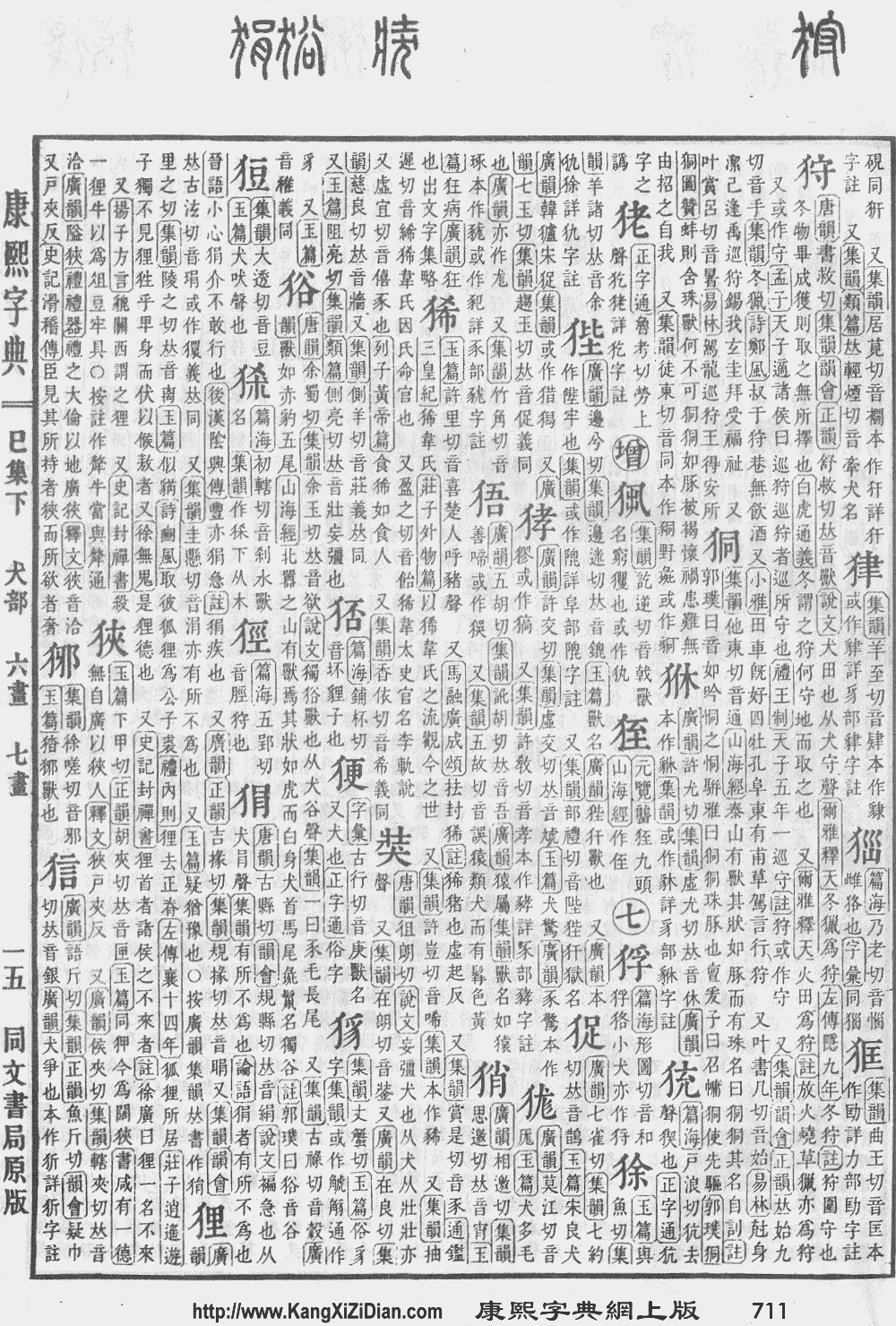
- KangXi: not present, would follow page 711, character 10
- Dai Kanwa Jiten: character 20406
- Dae Jaweon: page 1123, character 10
- Hanyu Da Zidian (first edition): volume 2, page 1343, character 10
- Unihan data for U+72ED
Chinese
| For pronunciation and definitions of 狭 – see 狹 (“narrow; limited; narrow-minded”). (This character, 狭, is the simplified form of 狹.) |
Notes:
|
Japanese
| 狭 | |
| 狹 |
Readings
Compounds
- 狭心症 (kyōshinshō): heart attack
Derived terms
- 狭物 (samono)
- 狭織 (saori)
- 狭し (sashi)
Usage notes
Used as a phrase […も]狭に ([… mo] se ni, “with little space remaining [on ...]; being almost full [on ...]”).
Derived terms
- 狭し (seshi)
Related terms
- 狭い (sebai)
This article is issued from Wiktionary. The text is licensed under Creative Commons - Attribution - Sharealike. Additional terms may apply for the media files.