羗
| ||||||||
Translingual
Han character
羗 (Kangxi radical 123, 羊+4, 10 strokes, cangjie input 廿山戈 (TUI), composition ⿸羌厶)
References
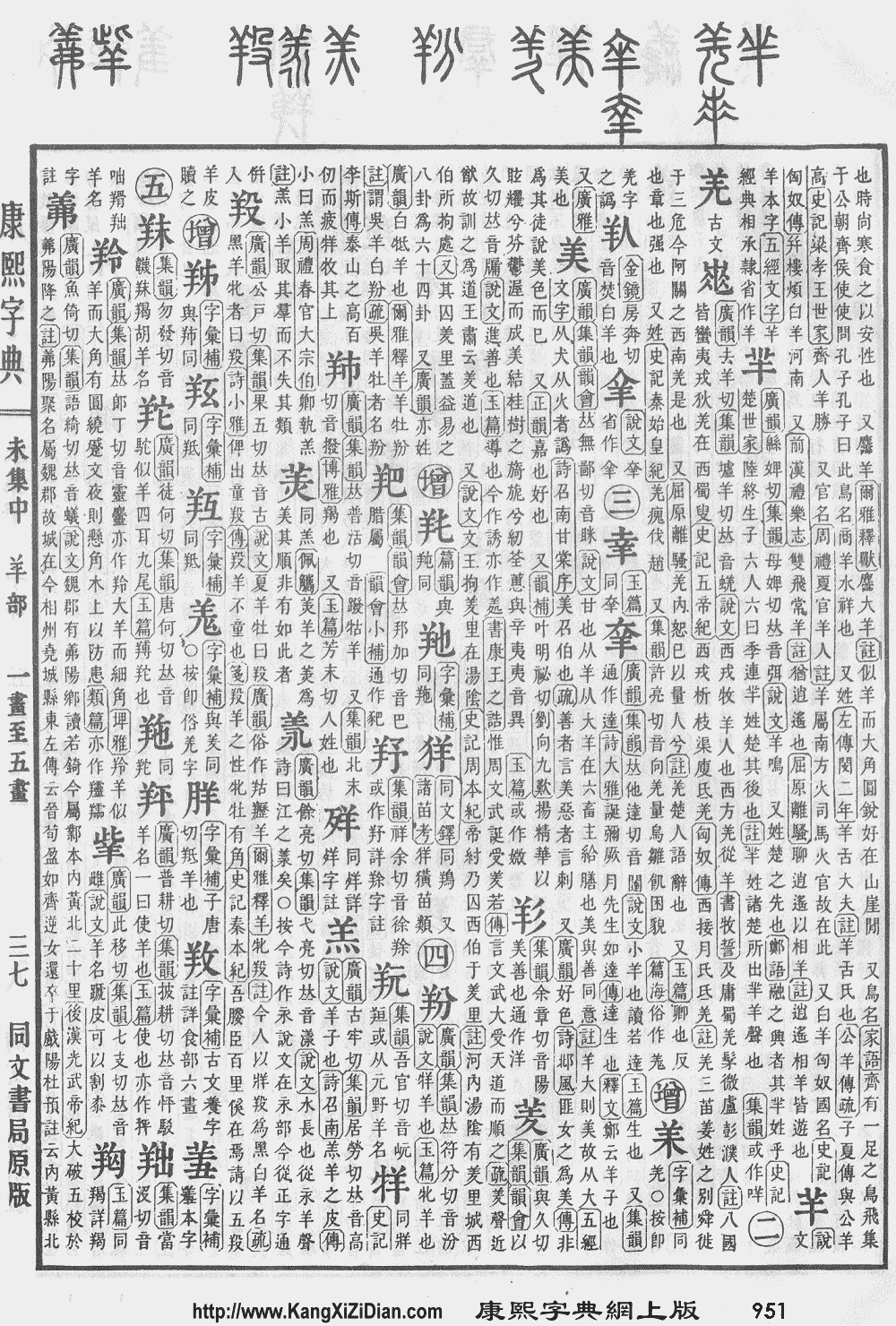
- KangXi: page 951, character 30
- Dai Kanwa Jiten: character 28454
- Dae Jaweon: page 1395, character 10
- Hanyu Da Zidian (first edition): volume 5, page 3127, character 7
- Unihan data for U+7F97
Chinese
Etymology 1
| For pronunciation and definitions of 羗 – see 羌 (“Qiang people; etc.”). (This character, 羗, is a variant form of 羌.) |
Japanese
Korean
Hanja
羗 • (gang) (hangeul 강, revised gang, McCune–Reischauer kang, Yale kang)
- This term needs a translation to English. Please help out and add a translation, then remove the text
{{rfdef}}.
This article is issued from Wiktionary. The text is licensed under Creative Commons - Attribution - Sharealike. Additional terms may apply for the media files.