茎
See also: 莖
| ||||||||
Translingual
| Traditional | 莖 |
|---|---|
| Shinjitai | 茎 |
| Simplified | 茎 |
Han character
茎 (Kangxi radical 140, 艸+5, 8 strokes, cangjie input 廿弓人一 (TNOM), composition ⿱艹圣 or ⿱艹𢀖)
Usage notes
Due to Han unification, this Unicode character appears as 茎 (艹𢀖) in PRC-style fonts and 茎 (艹圣) in Japan-style fonts. Compare 径 and 径.
References
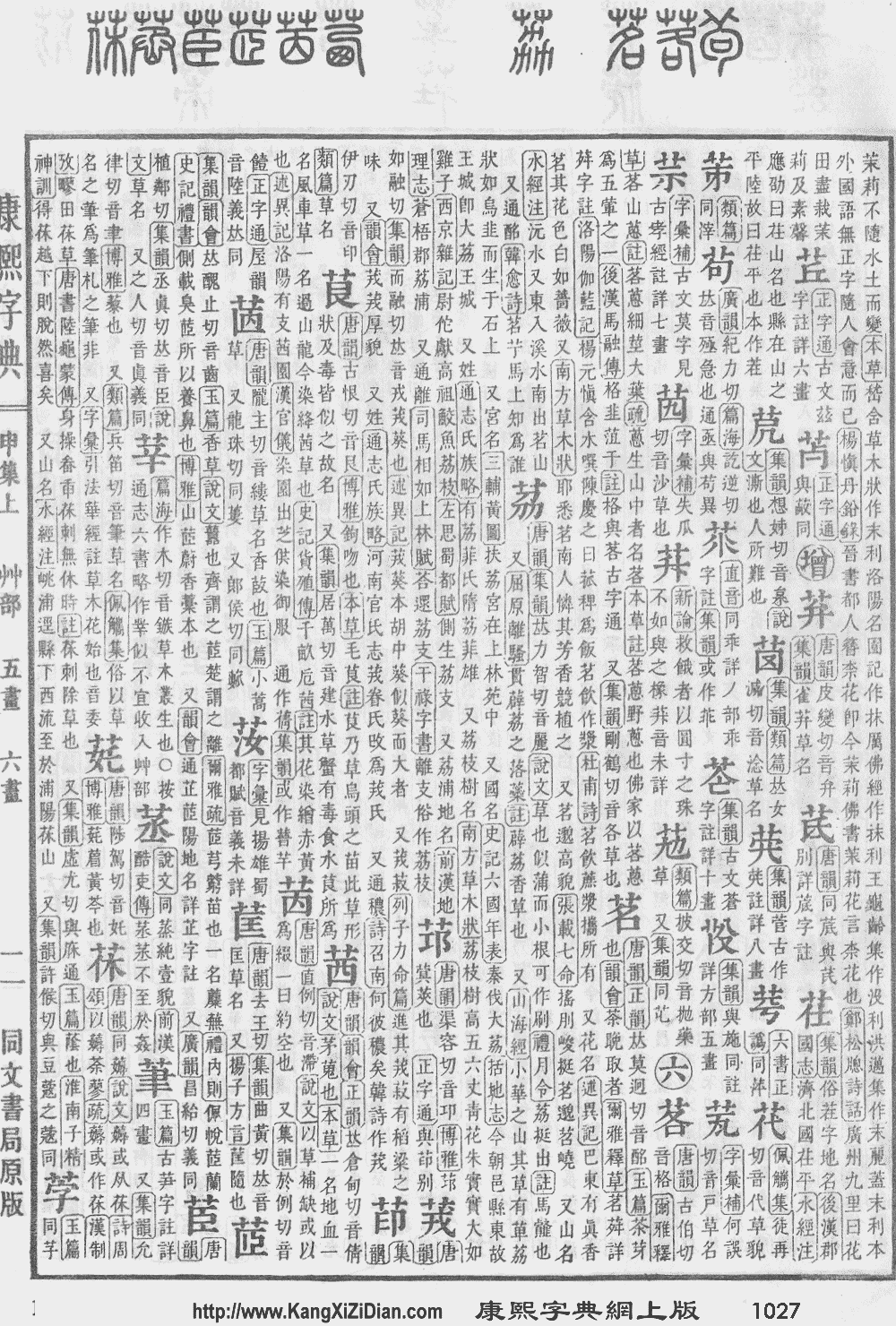
- KangXi: not present, would follow page 1027, character 20
- Dai Kanwa Jiten: character 30861
- Dae Jaweon: page 1486, character 15
- Hanyu Da Zidian (first edition): volume 5, page 3198, character 5
- Unihan data for U+830E
Chinese
| For pronunciation and definitions of 茎 – see 莖 (“stem; stalk; something like a stalk; tall and straight; etc.”). (This character, 茎, is the simplified form of 莖.) |
Notes:
|
This article is issued from Wiktionary. The text is licensed under Creative Commons - Attribution - Sharealike. Additional terms may apply for the media files.