薬
| ||||||||
Translingual
| Traditional | 藥 |
|---|---|
| Shinjitai | 薬 |
| Simplified | 药 |
Han character
薬 (Kangxi radical 140, 艸+13, 16 strokes, cangjie input 廿戈人木 (TIOD), composition ⿱艹楽)
References
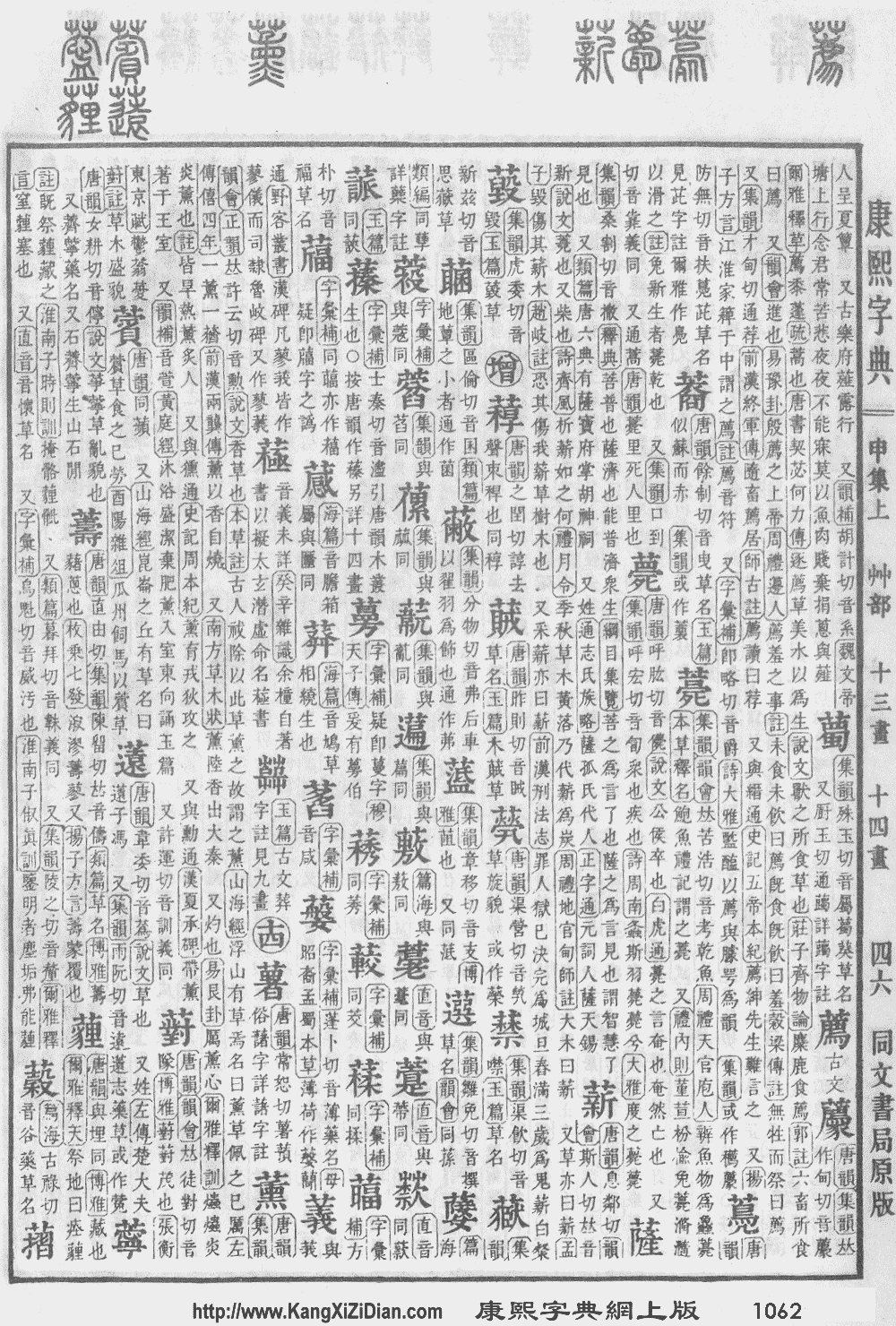
- KangXi: not present, would follow page 1062, character 44
- Dai Kanwa Jiten: character 32188
- Hanyu Da Zidian (first edition): not present, would follow volume 5, page 3303, character 5
- Unihan data for U+85AC
Chinese
| For pronunciation and definitions of 薬 – see 藥 (“medicine; drug; pharmaceutical; substance used for a particular purpose; etc.”). (This character, 薬, is a variant form of 藥.) |
Japanese
| 薬 | |
| 藥 |
Readings
Compounds
- 薬罐 (yakkan)
- 薬缶 (yakkan)
- 薬局 (yakkyoku)
- 薬膳 (yakuzen)
- 薬品 (yakuhin)
- 薬用 (yakuyō)
- 薬理 (yakuri)
- 薬理学 (yakurigaku)
- 医薬品 (iyakuhin)
- 医薬部外品 (iyakubugaihin)
- 火薬 (kayaku): gunpowder
- 加薬 (kayaku)
- 偽薬 (giyaku), 擬薬 (giyaku): placebo
- 去痰薬 (kyotan'yaku): expectorant
- 膏薬 (kōyaku)
- 投薬 (tōyaku)
- 農薬 (nōyaku)
- 釉薬 (uwagusuri)
- 爆薬 (bakuyaku): explosive, explosive compound, blasting powder
- 媚薬 (biyaku): an aphrodisiac
- 解毒薬 (gedokuyaku): an antidote
Etymology 1
| Kanji in this term |
|---|
| 薬 |
| くす Grade: 3 |
| kun’yomi |
| Alternative spelling |
|---|
| 藥 (kyūjitai) |
From Old Japanese. Cognate with the kusu root of adjective 奇し (kusushi, “mystical”)[1], from the way that drugs and medicines would have mystical effects.
Usage notes
Only used in compounds.
Derived terms
- 薬す (kususu): to treat someone or something using medicines or drugs (archaic)
- 薬らう (kusurau): to treat someone or something using medicines or drugs (may imply over a longer period of time; archaic)
- 薬 (kusuri): a medicine or drug (see below)
- 薬子 (kusuko): an unmarried young woman serving at the imperial court who tastes the ceremonial spiced sake at New Years
- 薬師 (kusushi): a doctor (archaic)
- 薬師指 (kusushiyubi): archaic alternate for 薬指 (kusuriyubi): the ring finger
- 薬玉 (kusudama): an ornamental scented ball made of flowers or other aromatics, displayed in early May
- 薬殿 (kusudono): during the Heian period, the consultation office of the court physician
- 薬練, 薬煉, 天鼠矢 (kusune): pine sap boiled in oil to make a strong resin used to reinforce bowstrings and other things
- 薬練糸, 薬煉糸 (kusuneito): a string with kusune applied to it
- 樟 (kusunoki), 楠 (kusunoki): the camphor tree
Etymology 2
| Kanji in this term |
|---|
| 薬 |
| くすり Grade: 3 |
| kun’yomi |
| Alternative spelling |
|---|
| 藥 (kyūjitai) |
From Proto-Japonic *kusori. Derivation from kusu above. Appears to be the 連用形 (ren'yōkei, “continuative or noun form”) of hypothetical verb kusuru “to have a mystical effect”.
Noun
薬 • (kusuri)
- A substance with mystical properties, especially one that has an effect on the body, health, or lifespan.
- A medicine or drug, a pharmaceutical.
- A chemical, generally toxic and used for its effect on living organisms, such as insecticide or herbicide.
- A substance that has a beneficial effect in improving or maintaining one's health.
- (figurative) Something that has a beneficial effect in correcting one's mistakes.
- Short for 釉薬 (uwagusuri): A glaze or enamel applied to ceramics.
- Gunpowder (from the “mystical substance” sense, and the second character in the word 火薬 (kayaku, “gunpowder”)).
- (figurative) A small bribe.
Usage notes
The medicine sense is probably the most common in modern Japanese.
Derived terms
Etymology 3
| Kanji in this term |
|---|
| 薬 |
| やく Grade: 3 |
| on’yomi |
| Alternative spelling |
|---|
| 藥 (kyūjitai) |
From Middle Chinese 藥/药 (yak, “drug, medicine”). Compare modern Cantonese 藥/药 (joek6).
Usage notes
The slang meaning is generally limited to when the term yaku is used as a standalone noun. In compounds, yaku refers more generally to pharmaceuticals, or sometimes chemicals.
Derived terms
- 薬液 (yakueki): a liquid medicine
- 薬園 (yakuen): a field or garden for cultivating medicinal plants, especially during the Edo period
- 薬害 (yakugai): harm caused by a medicine or drug
- 薬学 (yakugaku): pharmacology, the study of pharmacy
- 薬学者 (yakugakusha): a pharmacologist
- 薬局 (yakkyoku): a pharmacy, a pharmacist's office
- 薬科 (yakka)