駄
| ||||||||
Translingual
| Japanese | 駄 |
|---|---|
| Simplified | 驮 |
| Traditional | 馱 |
Han character
駄 (Kangxi radical 187, 馬+4, 14 strokes, cangjie input 尸火大戈 (SFKI), composition ⿰馬太)
References
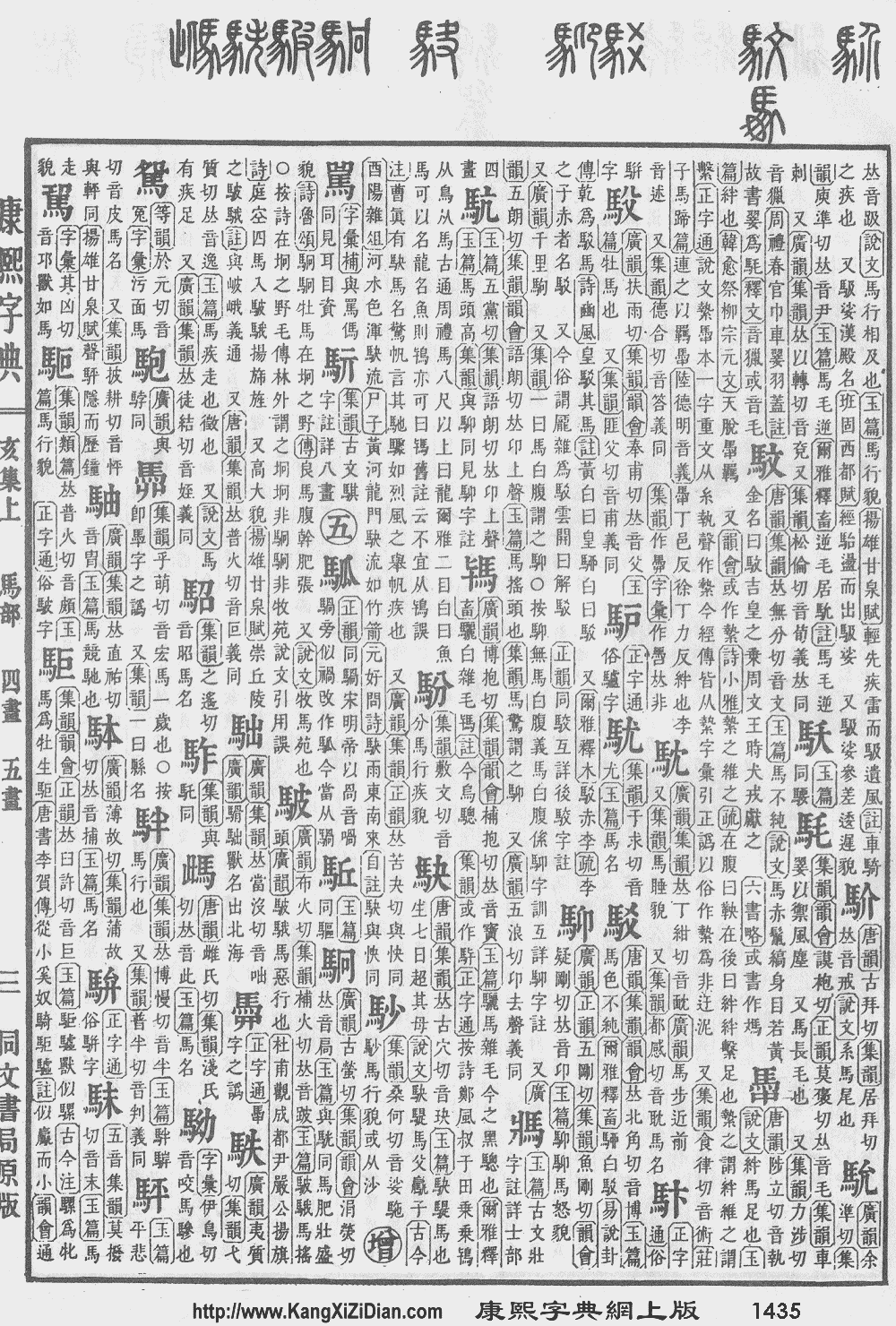
- KangXi: not present, would follow page 1435, character 21
- Dai Kanwa Jiten: character 44633
- Dae Jaweon: page 1960, character 5
- Hanyu Da Zidian (first edition): volume 7, page 4543, character 9
- Unihan data for U+99C4
Chinese
Glyph origin
Phono-semantic compound (形聲) : semantic 馬 + phonetic 太 (OC *tʰaːds).
Japanese
This article is issued from Wiktionary. The text is licensed under Creative Commons - Attribution - Sharealike. Additional terms may apply for the media files.