鳰
| ||||||||
Translingual
Han character
鳰 (Kangxi radical 196, 鳥+2, 13 strokes, cangjie input 人竹日火 (OHAF), composition ⿰入鳥)
References
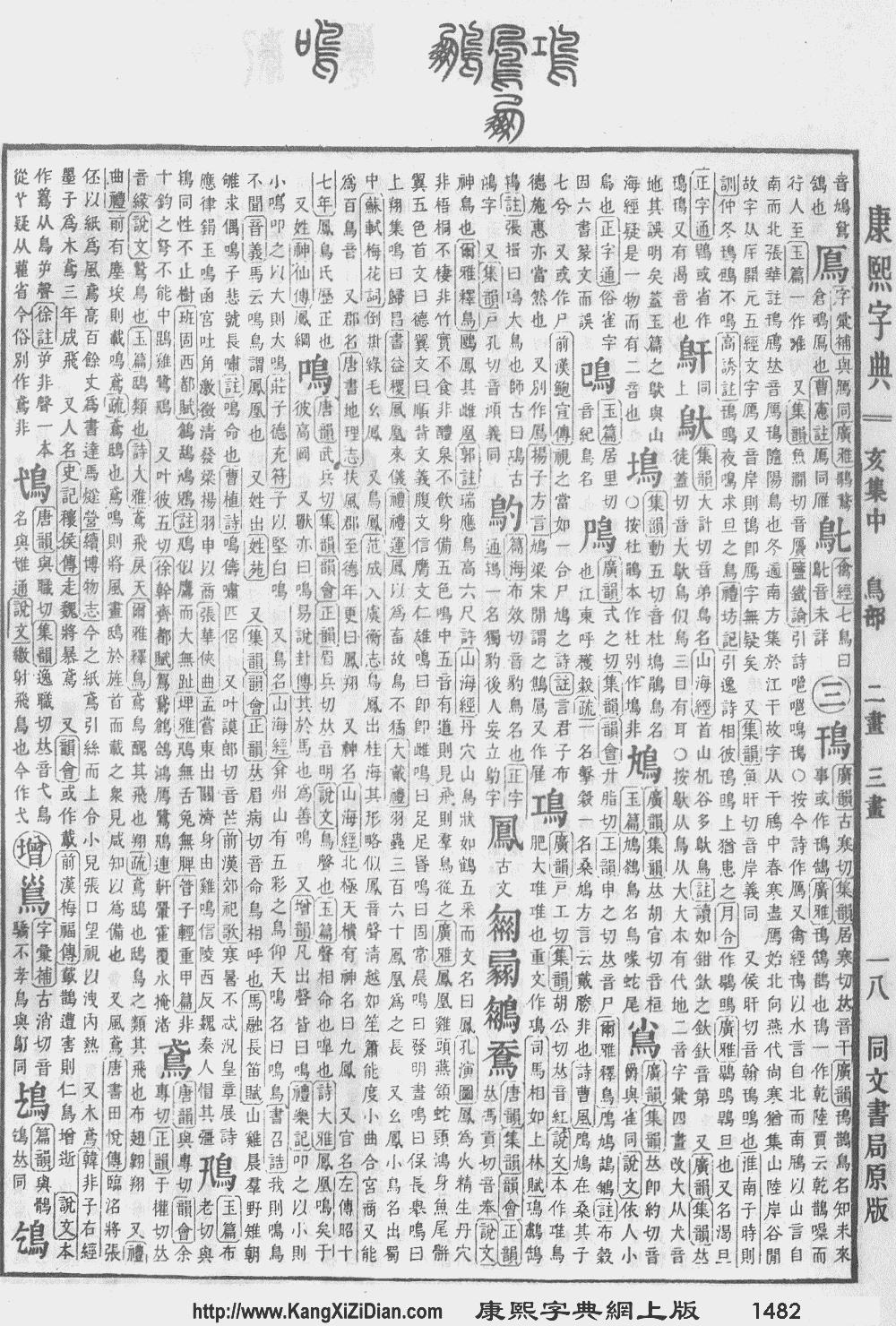
- KangXi: not present, would follow page 1482, character 2
- Dai Kanwa Jiten: character 46658
- Dae Jaweon: page 2013, character 21
- Hanyu Da Zidian (first edition): not present, would follow volume 7, page 4613, character 12
- Unihan data for U+9CF0
Japanese
Readings
- Kun: にお (nio, 鳰)←にほ (nifo, historical)
Derived terms
Derived terms
- 鳰貝 (niogai)
- 鳰照る (nioteru)
- 鳰照るや (nioteru ya)
- 鳰鳥 (niodori, “grebe; little grebe”)
- 鳰鳥の (niodori no)
- 鳰の浮き巣 (nio no ukisu)
- 鳰の海 (Nio no Umi)
Etymology 2
| Kanji in this term |
|---|
| 鳰 |
| Hyōgaiji |
| irregular |
Alternative forms
Pronunciation
Alternative forms
Pronunciation
This article is issued from Wiktionary. The text is licensed under Creative Commons - Attribution - Sharealike. Additional terms may apply for the media files.