𨋣
| ||||||||
Translingual
Han character
𨋣 (Kangxi radical 159, 車+5, 12 strokes, composition ⿰車丙)
References
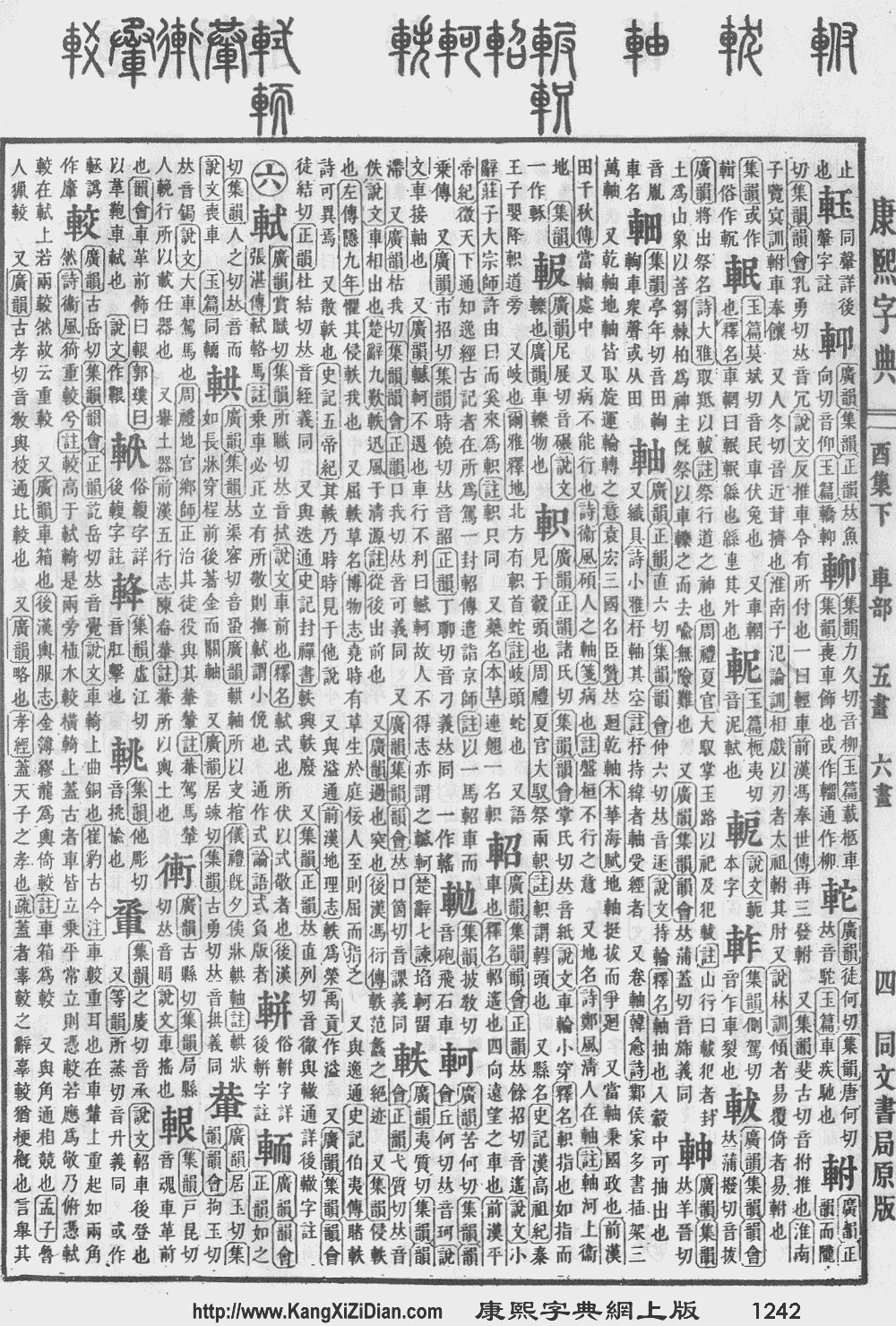
- KangXi: not present, would follow page 1242, character 19
- Unihan data for U+282E3
Vietnamese
Glyph origin
Phono-semantic compound (形聲) : semantic 車 (“cart”) + phonetic 丙 (OC *pqraŋʔ).
Noun
𨋣 • (bánh)
- Nôm form of bánh (“wheel”).
- 1740s [1741], Đặng Trần Côn, Đoàn Thị Điểm, transl., Chinh phụ ngâm [The Song of a Soldier's Wife], lines 271–272:
𢚸 蹺 仍 渚 𧡊 𠊛 /𨖲 髙 氽 𣅶 ⿰竜望 爲 𨋣 車 - My heart follows you but has yet to see you, / Many times, from up high, I look out for your carriage's wheels.
- 1820, Nguyễn Du, Truyện Kiều (傳翹) [The Tale of Kieu], published 1870, lines 921–922:
車 珠 仃 𨋣 𨷶 外 /簾 𥪝 㐌 𧡊 ⿰氵𠬠 𠊚 𨀈 𠚢 - The carriage's wheels stop at the entrance, / From behind the curtains, a person is seen stepping out.
-
This article is issued from Wiktionary. The text is licensed under Creative Commons - Attribution - Sharealike. Additional terms may apply for the media files.