svece
Latvian
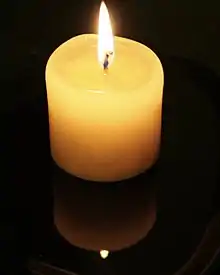
Svece (1)
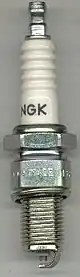
Aizdedzes svece (2)
Etymology
There are three main hypotheses on the origin of this word: (a) from the same source as sveķi (“resin”) (q.v.): Proto-Indo-European *sʷekʷ-os (“juice, resin”), whence Proto-Baltic *sʷek-as > *sveke, plural *sveki with a number of variants, among which svece; (b) from an earlier *zvece, cognate with Lithuanian žvãkė (“candle”), both from Proto-Baltic *žvak-, from Proto-Indo-European *ǵʰʷokʷ- (“to shine”); or (c) borrowed from Old East Slavic свѣча (svěča) (cf. Russian све́ча (svéča)), from Proto-Slavic *svěťa (but note that ě should yield ie or ē in Latvian, not a simple e, which weakens this hypothesis).[1]
Pronunciation
- IPA(key): [svɛtsɛ]
Noun
svece f (5th declension)
- candle (source of light)
- aizdegt sveci ― to light a candle
- sveču gaisma ― candlelight
- eglīšu sveces ― Christmas tree candles
- gultas galvgalī misiņa lukturī dega pašu lieta tauku svece ― at the head of the bed, a fat candle was burning in a brass lantern
- spark plug (ignition device in a combustion engine)
- aizdedzes svece ― spark plug (lit. ignition candle)
- šoferis pārbaudīja motoram sveces ― the driver checked the engine plugs
- (physics) unit of luminous intensity
- starptautiskā svece ― international candle (= candela)
- dega viena vienīga piecdesmit sveču gaismas spuldzīte ― a single small 50-candela light bulb was burning
Declension
Declension of svece (5th declension)
Derived terms
References
- Karulis, Konstantīns (1992), “svece”, in Latviešu Etimoloģijas Vārdnīca (in Latvian), Rīga: AVOTS, →ISBN
This article is issued from Wiktionary. The text is licensed under Creative Commons - Attribution - Sharealike. Additional terms may apply for the media files.