أرز
Arabic

Etymology 1
The tree is native to the region north of Israel and Judea. Borrowed into Arabic and Ge'ez አርዝ (ʾärz) and before the pertinent vowel change into Hebrew אֶרֶז (ʾérez, “cedar”) from Aramaic אַרְזָא / ܐܪܙܐ (ʾarzā, “cedar”), also found in Ugaritic 𐎀𐎗𐎇 (ảrz, “cedar”), continuing Akkadian 𒄑𒂞 (GIŠERIN /erēnu, erinnu/) from Sumerian 𒄑𒂞 (GIŠERIN /eren/), which also passed into Hittite 𒄑𒂞 (GIŠERIN /herin(a)-/, “cedar”) and also Hurrian 𒄑𒂊𒊑𒅎𒁉 (GIŠe-ri-im-bi /erimbi/), 𒄑𒂊𒊑𒁉 (GIŠe-ri-bi /eribi/, “cedar”) and thence back into a Hittite alternative form. While Rabin argues for a Hittite origin of the word, the form ʾarz recalls Proto-Iranian *hampr̥sā (“juniper”), which is not remote in meaning – Ancient Greek κέδρος (kédros) also means both cedar and juniper.
Pronunciation
- IPA(key): /ʔarz/
Noun
أَرْز • (ʔarz) m (collective, singulative أَرْزَة f (ʔarza))
- cedar (Cedrus gen. et spp.)
- c. 1200, يحيى بن محمد بن أحمد بن العوام [Yaḥyā ibn muḥammad ibn ʾaḥmad ibn al-ʿawwām], José Antonio Banqueri, editor, كتاب الفلاحة [Book on Agriculture], volume 1, Madrid: Imprenta Real, published 1802IA, Cap. 7, Art. 22, page 287:
- وأما غراسة الأرز وهو الذي يسمى السرول
قال هو نوعان أحدهما يشبه الطرفاء والآخر يشبه العرعر- About the planting of the cedar which is called cypress
there are two kinds, one resembles the tamarisk and the other resembles the juniper.
- About the planting of the cedar which is called cypress
- c. 1200, يحيى بن محمد بن أحمد بن العوام [Yaḥyā ibn muḥammad ibn ʾaḥmad ibn al-ʿawwām], José Antonio Banqueri, editor, كتاب الفلاحة [Book on Agriculture], volume 2, Madrid: Imprenta Real, published 1802IA, Cap. 34, Art. 6, pages 721–722:
- وقال غيره يتخذ لها الخلايا من خشب الأرز ومن طين طيب الريح وتطين الخلايا من خارجها برماد وأخثاء البقر مدقوق معجون بالماء ويتخذ لها بعض الناس الخلايا من قشور الشبر وتسميه العامة «جناحا»
- And another author said that for beehives cedar wood and clay of good smell is taken and the beehives are daubed from the outside with ash and cow dung powdered and kneaded with water, and some people take for beehives the barks of the cork oak, generally called “wings”.
-
Declension
| Collective | basic collective triptote | ||
|---|---|---|---|
| Indefinite | Definite | Construct | |
| Informal | أَرْز ʔarz |
الْأَرْز al-ʔarz |
أَرْز ʔarz |
| Nominative | أَرْزٌ ʔarzun |
الْأَرْزُ al-ʔarzu |
أَرْزُ ʔarzu |
| Accusative | أَرْزًا ʔarzan |
الْأَرْزَ al-ʔarza |
أَرْزَ ʔarza |
| Genitive | أَرْزٍ ʔarzin |
الْأَرْزِ al-ʔarzi |
أَرْزِ ʔarzi |
| Singulative | singulative triptote in ـَة (-a) | ||
| Indefinite | Definite | Construct | |
| Informal | أَرْزَة ʔarza |
الْأَرْزَة al-ʔarza |
أَرْزَة ʔarzat |
| Nominative | أَرْزَةٌ ʔarzatun |
الْأَرْزَةُ al-ʔarzatu |
أَرْزَةُ ʔarzatu |
| Accusative | أَرْزَةً ʔarzatan |
الْأَرْزَةَ al-ʔarzata |
أَرْزَةَ ʔarzata |
| Genitive | أَرْزَةٍ ʔarzatin |
الْأَرْزَةِ al-ʔarzati |
أَرْزَةِ ʔarzati |
| Dual | Indefinite | Definite | Construct |
| Informal | أَرْزَتَيْن ʔarzatayn |
الْأَرْزَتَيْن al-ʔarzatayn |
أَرْزَتَيْ ʔarzatay |
| Nominative | أَرْزَتَانِ ʔarzatāni |
الْأَرْزَتَانِ al-ʔarzatāni |
أَرْزَتَا ʔarzatā |
| Accusative | أَرْزَتَيْنِ ʔarzatayni |
الْأَرْزَتَيْنِ al-ʔarzatayni |
أَرْزَتَيْ ʔarzatay |
| Genitive | أَرْزَتَيْنِ ʔarzatayni |
الْأَرْزَتَيْنِ al-ʔarzatayni |
أَرْزَتَيْ ʔarzatay |
| Paucal (3-10) | sound feminine paucal | ||
| Indefinite | Definite | Construct | |
| Informal | أَرْزَات ʔarzāt |
الْأَرْزَات al-ʔarzāt |
أَرْزَات ʔarzāt |
| Nominative | أَرْزَاتٌ ʔarzātun |
الْأَرْزَاتُ al-ʔarzātu |
أَرْزَاتُ ʔarzātu |
| Accusative | أَرْزَاتٍ ʔarzātin |
الْأَرْزَاتِ al-ʔarzāti |
أَرْزَاتِ ʔarzāti |
| Genitive | أَرْزَاتٍ ʔarzātin |
الْأَرْزَاتِ al-ʔarzāti |
أَرْزَاتِ ʔarzāti |

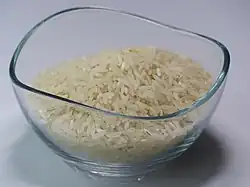
Etymology 2
From Ancient Greek ὄρυζα (óruza).
Declension
| Singular | basic singular triptote | ||
|---|---|---|---|
| Indefinite | Definite | Construct | |
| Informal | أَرُزّ; أُرُزّ ʔaruzz; ʔuruzz |
الْأَرُزّ; الْأُرُزّ al-ʔaruzz; al-ʔuruzz |
أَرُزّ; أُرُزّ ʔaruzz; ʔuruzz |
| Nominative | أَرُزٌّ; أُرُزٌّ ʔaruzzun; ʔuruzzun |
الْأَرُزُّ; الْأُرُزُّ al-ʔaruzzu; al-ʔuruzzu |
أَرُزُّ; أُرُزُّ ʔaruzzu; ʔuruzzu |
| Accusative | أَرُزًّا; أُرُزًّا ʔaruzzan; ʔuruzzan |
الْأَرُزَّ; الْأُرُزَّ al-ʔaruzza; al-ʔuruzza |
أَرُزَّ; أُرُزَّ ʔaruzza; ʔuruzza |
| Genitive | أَرُزٍّ; أُرُزٍّ ʔaruzzin; ʔuruzzin |
الْأَرُزِّ; الْأُرُزِّ al-ʔaruzzi; al-ʔuruzzi |
أَرُزِّ; أُرُزِّ ʔaruzzi; ʔuruzzi |
Synonyms
- رُزّ (ruzz)
Descendants
- → Ottoman Turkish: ارز (ürüz, erz)
Etymology 3
Of onomatopoeic origin from a ringing telephone. At its time one also employed إِرْزِيز (ʔirzīz) for the new device of a telephone.
Pronunciation
- IPA(key): /ʔa.raz.za/
Conjugation
| verbal noun الْمَصْدَر |
ʔirzāz | |||||||||||
|---|---|---|---|---|---|---|---|---|---|---|---|---|
| active participle اِسْم الْفَاعِل |
murizz | |||||||||||
| passive participle اِسْم الْمَفْعُول |
murazz | |||||||||||
| active voice الْفِعْل الْمَعْلُوم | ||||||||||||
| singular الْمُفْرَد |
dual الْمُثَنَّى |
plural الْجَمْع | ||||||||||
| 1st person الْمُتَكَلِّم |
2nd person الْمُخَاطَب |
3rd person الْغَائِب |
2nd person الْمُخَاطَب |
3rd person الْغَائِب |
1st person الْمُتَكَلِّم |
2nd person الْمُخَاطَب |
3rd person الْغَائِب | |||||
| past (perfect) indicative الْمَاضِي |
m | ʔarzaztu |
ʔarzazta |
أَرَزَّ ʔarazza |
أَرْزَزْتُمَا ʔarzaztumā |
أَرَزَّا ʔarazzā |
ʔarzaznā |
ʔarzaztum |
ʔarazzū | |||
| f | ʔarzazti |
ʔarazzat |
أَرَزَّتَا ʔarazzatā |
ʔarzaztunna |
ʔarzazna | |||||||
| non-past (imperfect) indicative الْمُضَارِع الْمَرْفُوع |
m | أُرِزُّ ʔurizzu |
turizzu |
yurizzu |
تُرِزَّانِ turizzāni |
يُرِزَّانِ yurizzāni |
nurizzu |
turizzūna |
yurizzūna | |||
| f | turizzīna |
turizzu |
تُرِزَّانِ turizzāni |
turzizna |
yurzizna | |||||||
| subjunctive الْمُضَارِع الْمَنْصُوب |
m | أُرِزَّ ʔurizza |
turizza |
yurizza |
turizzā |
يُرِزَّا yurizzā |
nurizza |
turizzū |
yurizzū | |||
| f | turizzī |
turizza |
turizzā |
turzizna |
yurzizna | |||||||
| jussive الْمُضَارِع الْمَجْزُوم |
m | ʔurizza or ʔurizzi or ʔurziz |
turizza or turizzi or turziz |
yurizza or yurizzi or yurziz |
turizzā |
يُرِزَّا yurizzā |
nurizza or nurizzi or nurziz |
turizzū |
yurizzū | |||
| f | turizzī |
turizza or turizzi or turziz |
turizzā |
turzizna |
yurzizna | |||||||
| imperative الْأَمْر |
m | ʔarizza or ʔarizzi or ʔarziz |
أَرِزَّا ʔarizzā |
ʔarizzū |
||||||||
| f | ʔarizzī |
ʔarzizna | ||||||||||
| passive voice الْفِعْل الْمَجْهُول | ||||||||||||
| singular الْمُفْرَد |
dual الْمُثَنَّى |
plural الْجَمْع | ||||||||||
| 1st person الْمُتَكَلِّم |
2nd person الْمُخَاطَب |
3rd person الْغَائِب |
2nd person الْمُخَاطَب |
3rd person الْغَائِب |
1st person الْمُتَكَلِّم |
2nd person الْمُخَاطَب |
3rd person الْغَائِب | |||||
| past (perfect) indicative الْمَاضِي |
m | ʔurziztu |
ʔurzizta |
أُرِزَّ ʔurizza |
أُرْزِزْتُمَا ʔurziztumā |
أُرِزَّا ʔurizzā |
ʔurziznā |
ʔurziztum |
ʔurizzū | |||
| f | ʔurzizti |
ʔurizzat |
أُرِزَّتَا ʔurizzatā |
ʔurziztunna |
ʔurzizna | |||||||
| non-past (imperfect) indicative الْمُضَارِع الْمَرْفُوع |
m | أُرَزُّ ʔurazzu |
turazzu |
yurazzu |
تُرَزَّانِ turazzāni |
يُرَزَّانِ yurazzāni |
nurazzu |
turazzūna |
yurazzūna | |||
| f | turazzīna |
turazzu |
تُرَزَّانِ turazzāni |
turzazna |
yurzazna | |||||||
| subjunctive الْمُضَارِع الْمَنْصُوب |
m | أُرَزَّ ʔurazza |
turazza |
yurazza |
turazzā |
يُرَزَّا yurazzā |
nurazza |
turazzū |
yurazzū | |||
| f | turazzī |
turazza |
turazzā |
turzazna |
yurzazna | |||||||
| jussive الْمُضَارِع الْمَجْزُوم |
m | ʔurazza or ʔurazzi or ʔurzaz |
turazza or turazzi or turzaz |
yurazza or yurazzi or yurzaz |
turazzā |
يُرَزَّا yurazzā |
nurazza or nurazzi or nurzaz |
turazzū |
yurazzū | |||
| f | turazzī |
turazza or turazzi or turzaz |
turazzā |
turzazna |
yurzazna | |||||||
Verb
أَرُزُّ • (ʔaruzzu) (form I)
- first-person singular non-past active indicative of رَزَّ (razza)
Verb
أَرُزَّ • (ʔaruzza) (form I)
Verb
أُرَزُّ • (ʔurazzu) (form I)
- first-person singular non-past passive indicative of رَزَّ (razza)
Verb
أُرَزَّ • (ʔurazza) (form I)
References
- Löw, Immanuel (1924–1934) Die Flora der Juden (in German), Wien und Leipzig: R. Löwit, pages 17–26
- Nöldeke, Theodor (1910) Neue Beiträge zur semitischen Sprachwissenschaft (in German), Straßburg: Karl J. Trübner, page 43, noting it is rare in pre-classical Arabic and Arabic savants struggle to define it as they do not know the tree.
- Puhvel, Jaan (1984–) Hittite Etymological Dictionary (Trends in linguistics. Documentation), volume 3, page 301
- Rabin, Chaim (1965), “Millīm ḥittiyōṯ bəʿiḇrīṯ”, in Sefer Segal (in Hebrew), Jerusalem: Kiryat Sefer, page 164–165 of 151–179 according to Leslau, Wolf (1991), “አርዝ”, in Comparative Dictionary of Geʿez (Classical Ethiopic), 2nd edition, Wiesbaden: Otto Harrassowitz, →ISBN, page 41a
- Watson, Wilfred G. E. (2004), “A Botanical Snapshot of Ugaritic”, in Aula Orientalis, volume 22, issue 1, Barcelona, page 113
- “eren [CEDAR]”, in The Pennsylvania Sumerian Dictionary, University of Pennsylvania, 2006