حيوان
See also: حیوان
Arabic
Etymology
| Picture dictionary | |||||||
|---|---|---|---|---|---|---|---|
|

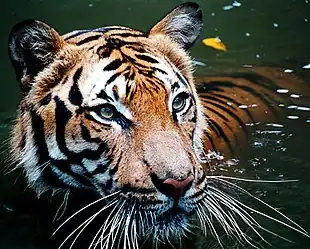


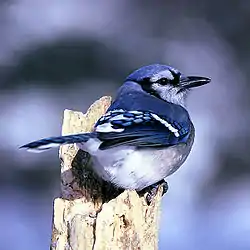
From the root ح ي و (ḥ-y-w), stemming from Proto-West Semitic *ḥayaw- (“to live”). Parallelly found in Hebrew חיה (ḥayyā), Classical Syriac ܚܝܘܬܐ (ḥaywəṯā) and Ugaritic 𐎈𐎆𐎉 (ḥwṭ).
Pronunciation
- IPA(key): /ħa.ja.waːn/
Audio (file) - Rhymes: -aːn
Noun
حَيَوَان • (ḥayawān) m, plural حَيَوَانَات (ḥayawānāt)
- animal, beast
- (collectively) animals, living creatures
- (archaic) verbal noun of حَيَّ (ḥayya): life; (especially) long, eternal life
-
- وَمَا هَٰذِهِ ٱلْحَيَاةُ ٱلدُّنْيَا إِلَّا لَهْوٌ وَلَعِبٌ وَإِنَّ ٱلدَّارَ ٱلْآخِرَةَ لَهِيَ ٱلْحَيَوَانُ لَوْ كَانُوا يَعْلَمُونَ
- wamā hāḏihi l-ḥayātu d-dunyā ʔillā lahwun walaʕibun waʔinna d-dāra l-ʔāḵirata lahiya l-ḥayawānu law kānū yaʕlamūna
- And this worldly life is not but diversion and amusement. And indeed, the home of the Hereafter – that is the [eternal] life, if only they knew.
-
Declension
Declension of noun حَيَوَان (ḥayawān)
| Singular | basic singular triptote | ||
|---|---|---|---|
| Indefinite | Definite | Construct | |
| Informal | حَيَوَان ḥayawān |
الْحَيَوَان al-ḥayawān |
حَيَوَان ḥayawān |
| Nominative | حَيَوَانٌ ḥayawānun |
الْحَيَوَانُ al-ḥayawānu |
حَيَوَانُ ḥayawānu |
| Accusative | حَيَوَانًا ḥayawānan |
الْحَيَوَانَ al-ḥayawāna |
حَيَوَانَ ḥayawāna |
| Genitive | حَيَوَانٍ ḥayawānin |
الْحَيَوَانِ al-ḥayawāni |
حَيَوَانِ ḥayawāni |
| Dual | Indefinite | Definite | Construct |
| Informal | حَيَوَانَيْن ḥayawānayn |
الْحَيَوَانَيْن al-ḥayawānayn |
حَيَوَانَيْ ḥayawānay |
| Nominative | حَيَوَانَانِ ḥayawānāni |
الْحَيَوَانَانِ al-ḥayawānāni |
حَيَوَانَا ḥayawānā |
| Accusative | حَيَوَانَيْنِ ḥayawānayni |
الْحَيَوَانَيْنِ al-ḥayawānayni |
حَيَوَانَيْ ḥayawānay |
| Genitive | حَيَوَانَيْنِ ḥayawānayni |
الْحَيَوَانَيْنِ al-ḥayawānayni |
حَيَوَانَيْ ḥayawānay |
| Plural | sound feminine plural | ||
| Indefinite | Definite | Construct | |
| Informal | حَيَوَانَات ḥayawānāt |
الْحَيَوَانَات al-ḥayawānāt |
حَيَوَانَات ḥayawānāt |
| Nominative | حَيَوَانَاتٌ ḥayawānātun |
الْحَيَوَانَاتُ al-ḥayawānātu |
حَيَوَانَاتُ ḥayawānātu |
| Accusative | حَيَوَانَاتٍ ḥayawānātin |
الْحَيَوَانَاتِ al-ḥayawānāti |
حَيَوَانَاتِ ḥayawānāti |
| Genitive | حَيَوَانَاتٍ ḥayawānātin |
الْحَيَوَانَاتِ al-ḥayawānāti |
حَيَوَانَاتِ ḥayawānāti |
Descendants
- → Armenian: հայվան (hayvan)
- → Avar: хӏайван (ḥʳajwan)
- → Azerbaijani: heyvan
- → Bashkir: хайуан (xayuan)
- → Crimean Tatar: ayvan
- → Karachay-Balkar: хайуан (xayuan)
- → Kumyk: гьайван (haywan)
- → Kurdish:
- Central Kurdish: حەیوان (ḧeywan)
- Northern Kurdish: heywan / حەیوان (ḧeywan)
- → Madurese: ꦲ꦳ꦺꦮꦤ꧀
- → Ossetian: хайуан (xajwan)
- → Persian: حیوان (heyvân)
- → Swahili: hayawani
- → Swedish: haiwan
- → Tatar: хайван (xaywan)
- → Zazaki: heywan
Malay
South Levantine Arabic
| Root |
|---|
| ح ي و |
Pronunciation
- IPA(key): /ħaj.waːn/, [ħajˈwæːn]
Audio (Ramallah) (file)
This article is issued from Wiktionary. The text is licensed under Creative Commons - Attribution - Sharealike. Additional terms may apply for the media files.