僗
| ||||||||
Translingual
Han character
僗 (Kangxi radical 9, 人+12, 14 strokes, cangjie input 人火火尸 (OFFS), four-corner 29227, composition ⿰亻勞)
References
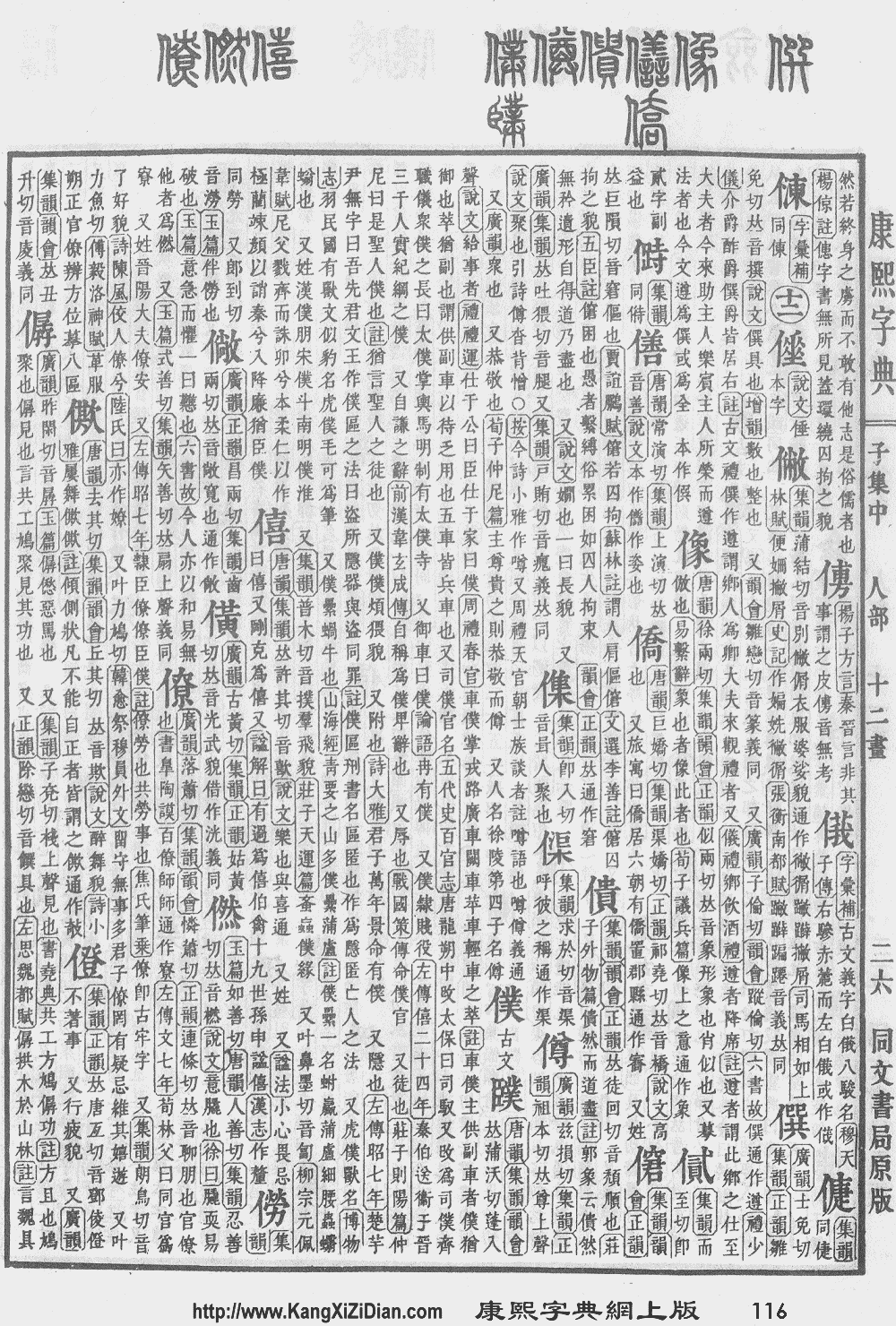
- KangXi: page 116, character 21
- Dai Kanwa Jiten: character 1096
- Dae Jaweon: page 247, character 32
- Hanyu Da Zidian (first edition): volume 1, page 222, character 2
- Unihan data for U+50D7
Chinese
Etymology 1
| For pronunciation and definitions of 僗 – see 勞 (“to toil; to do manual labour; to trouble; to disturb; etc.”). (This character, 僗, is an ancient form of 勞.) |
Pronunciation
Japanese
Kanji
僗
- This term needs a translation to English. Please help out and add a translation, then remove the text
{{rfdef}}.
This article is issued from Wiktionary. The text is licensed under Creative Commons - Attribution - Sharealike. Additional terms may apply for the media files.