滞
See also: 滯
| ||||||||
Translingual
| Traditional | 滯 |
|---|---|
| Simplified | 滞 |
| Japanese | 滞 |
| Korean | 滯 |
Han character
滞 (Kangxi radical 85, 水+9 in Chinese, 水+10 in Japanese, 12 strokes in Chinese, 13 strokes in Japanese, cangjie input 水廿十月 (ETJB), composition ⿰氵帯(J) or ⿰氵带(G))
References
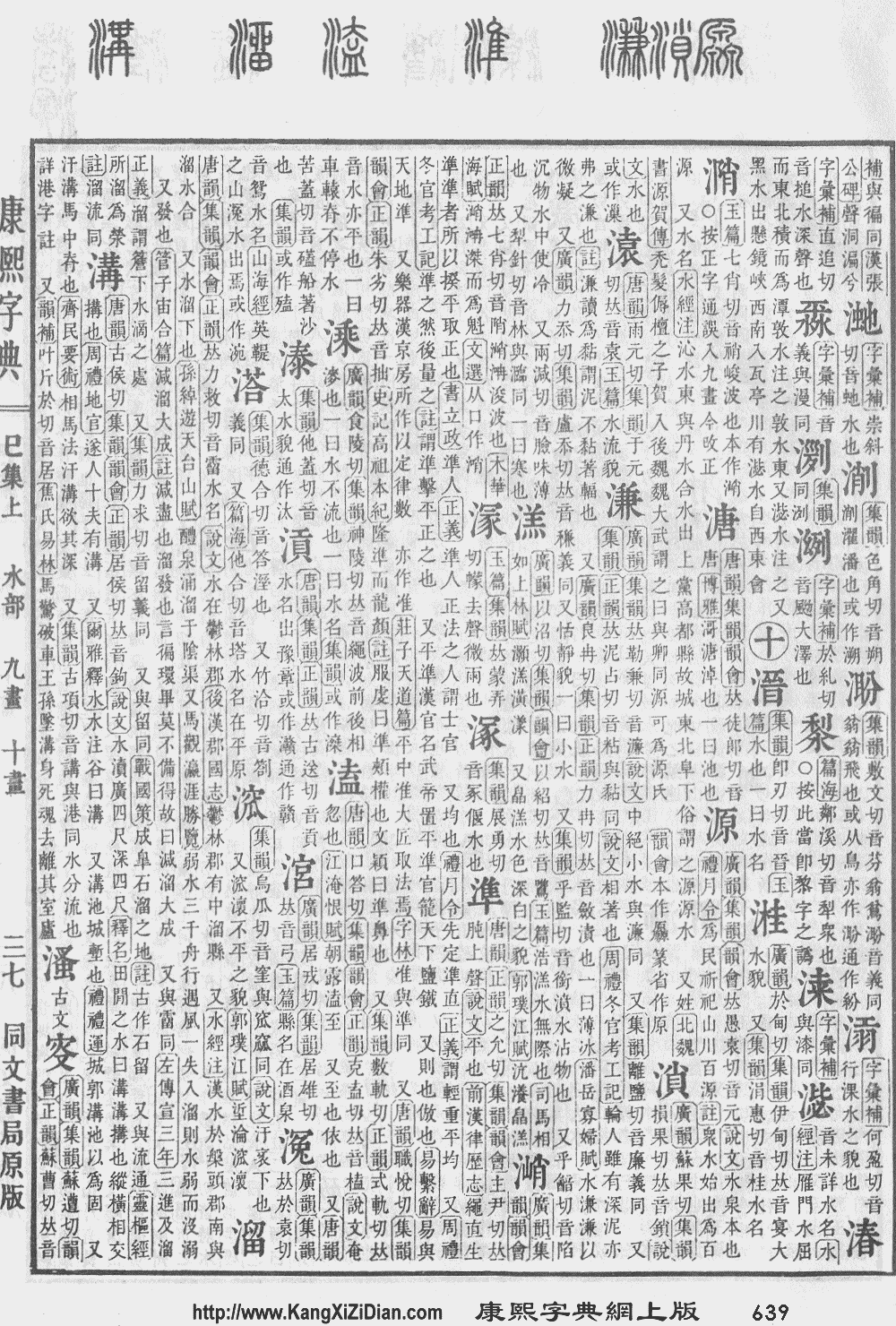
- KangXi: not present, would follow page 639, character 11
- Dai Kanwa Jiten: character 18067
- Hanyu Da Zidian (first edition): volume 3, page 1669, character 2
- Unihan data for U+6EDE
Chinese
| For pronunciation and definitions of 滞 – see 滯 (“stagnant; sluggish; to hold back; to stay; to encumber; to impede; etc.”). (This character, 滞, is the simplified form of 滯.) |
Notes:
|
Japanese
| 滞 | |
| 滯 |
This article is issued from Wiktionary. The text is licensed under Creative Commons - Attribution - Sharealike. Additional terms may apply for the media files.