讐
| ||||||||
Translingual
Han character
讐 (Kangxi radical 149, 言+16, 23 strokes, cangjie input 人土卜一口 (OGYMR), composition ⿱雔言)
References
- KangXi: page 1187, character 3
- Dai Kanwa Jiten: character 36125
- Hanyu Da Zidian (first edition): volume 6, page 4031, character 3
- Unihan data for U+8B90
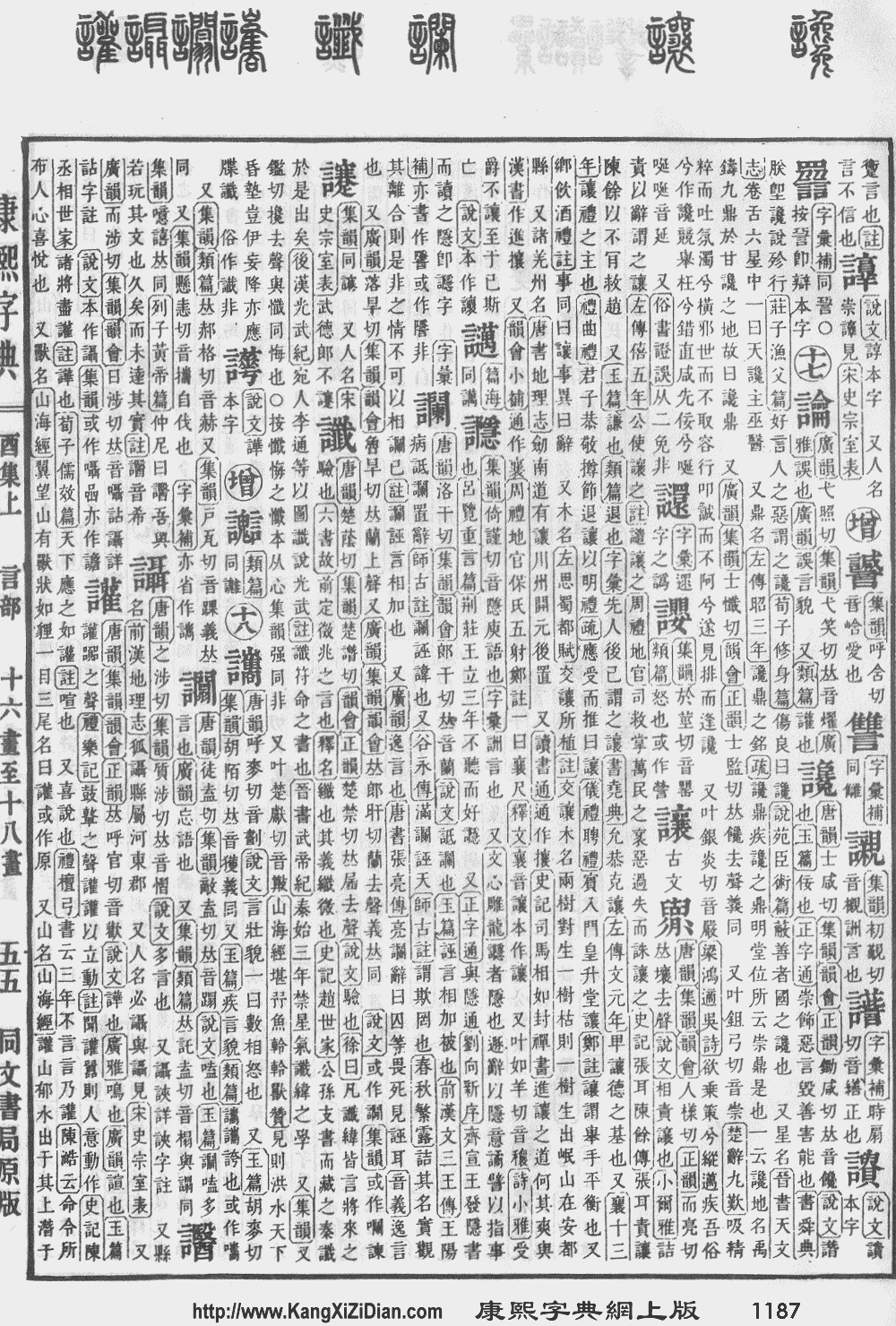
Chinese
| For pronunciation and definitions of 讐 – see 讎 (“to collate; etc.”). (This character, 讐, is a variant form of 讎.) |
Japanese
Readings
Etymology
| Kanji in this term |
|---|
| 讐 |
| あだ Hyōgaiji |
| kun’yomi |
/ata/ → /ada/
A sound shift in the Edo period from earlier form ata, itself from classical verb 当つ (atsu), which became modern 当たる (ataru, “to be against”).
Noun
讐 • (ada)
Usage notes
The spelling 仇 is much more common.
Synonyms
Korean
Alternative forms
Etymology
From Middle Chinese 讎 (MC d͡ʑɨu). Recorded as Middle Korean 讎/슈 (syu) (Yale: syu) in Hunmong Jahoe (訓蒙字會 / 훈몽자회), 1527.
Vietnamese
This article is issued from Wiktionary. The text is licensed under Creative Commons - Attribution - Sharealike. Additional terms may apply for the media files.