遖
| ||||||||
Translingual
Han character
遖 (Kangxi radical 162, 辵+9, 13 strokes, cangjie input 卜十月十 (YJBJ), four-corner 34302, composition ⿺辶南)
References
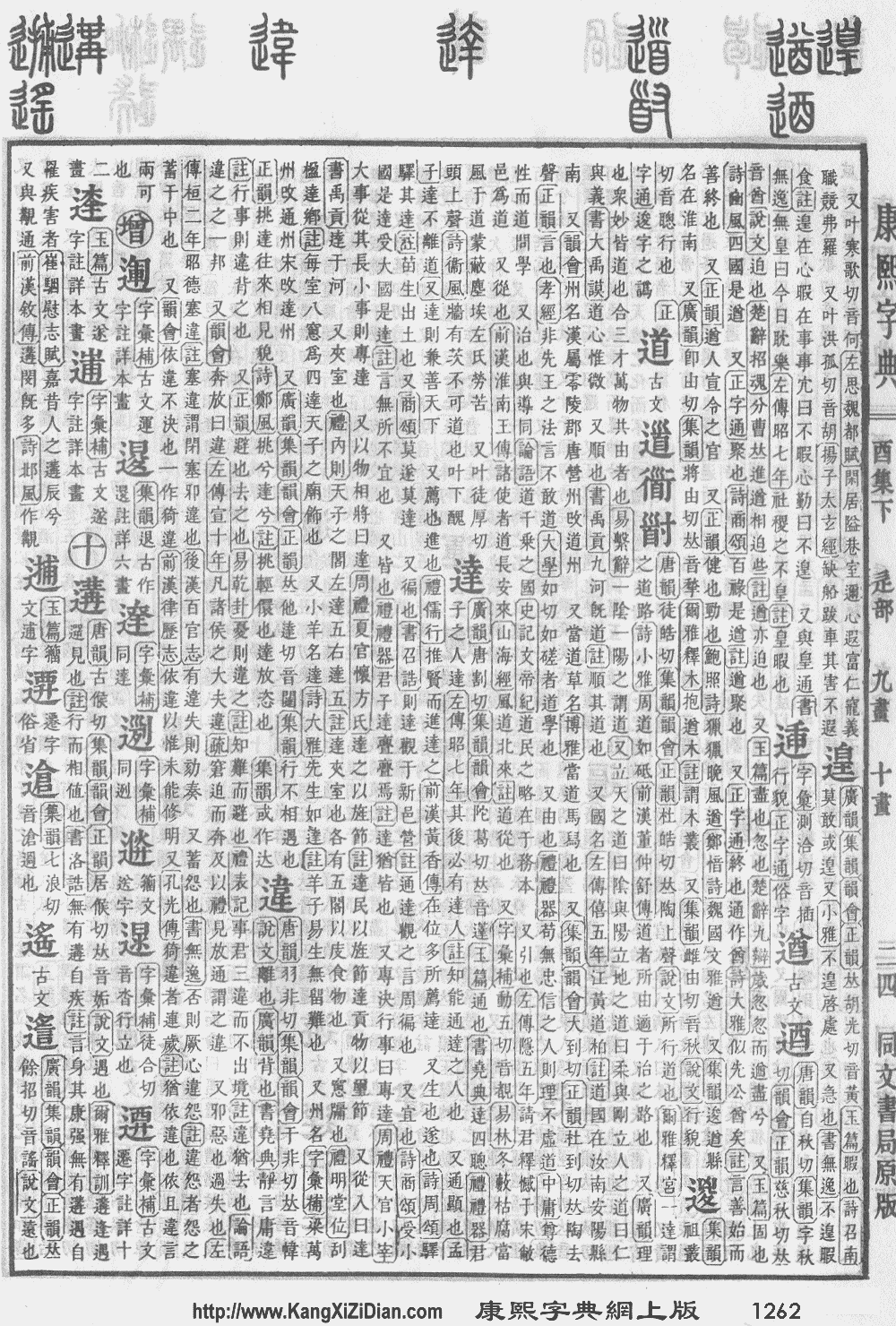
- KangXi: not present, would follow page 1262, character 20
- Dai Kanwa Jiten: character 39030
- Dae Jaweon: page 1756, character 14
- Hanyu Da Zidian (first edition): not present, would follow volume 6, page 3856, character 4
- Unihan data for U+9056
Chinese
Pronunciation
Definitions
遖
- This term needs a translation to English. Please help out and add a translation, then remove the text
{{rfdef}}.
Japanese
Alternative forms
Etymology
/apare/ → /appare/
Alteration of Old Japanese 哀 (apare, modern aware, “deeply touching or moving”).[1]
Pronunciation
Inflection
Inflection of 遖
| Stem forms | |||
|---|---|---|---|
| Imperfective (未然形) | 遖だろ | あっぱれだろ | appare daro |
| Continuative (連用形) | 遖で | あっぱれで | appare de |
| Terminal (終止形) | 遖だ | あっぱれだ | appare da |
| Attributive (連体形) | 遖な | あっぱれな | appare na |
| Hypothetical (仮定形) | 遖なら | あっぱれなら | appare nara |
| Imperative (命令形) | 遖であれ | あっぱれであれ | appare de are |
| Key constructions | |||
| Informal negative | 遖ではない 遖じゃない |
あっぱれではない あっぱれじゃない |
appare de wa nai appare ja nai |
| Informal past | 遖だった | あっぱれだった | appare datta |
| Informal negative past | 遖ではなかった 遖じゃなかった |
あっぱれではなかった あっぱれじゃなかった |
appare de wa nakatta appare ja nakatta |
| Formal | 遖です | あっぱれです | appare desu |
| Formal negative | 遖ではありません 遖じゃありません |
あっぱれではありません あっぱれじゃありません |
appare de wa arimasen appare ja arimasen |
| Formal past | 遖でした | あっぱれでした | appare deshita |
| Formal negative past | 遖ではありませんでした 遖じゃありませんでした |
あっぱれではありませんでした あっぱれじゃありませんでした |
appare de wa arimasen deshita appare ja arimasen deshita |
| Conjunctive | 遖で | あっぱれで | appare de |
| Conditional | 遖なら(ば) | あっぱれなら(ば) | appare nara (ba) |
| Provisional | 遖だったら | あっぱれだったら | appare dattara |
| Volitional | 遖だろう | あっぱれだろう | appare darō |
| Adverbial | 遖に | あっぱれに | appare ni |
| Degree | 遖さ | あっぱれさ | apparesa |
References
This article is issued from Wiktionary. The text is licensed under Creative Commons - Attribution - Sharealike. Additional terms may apply for the media files.