miets
Latvian
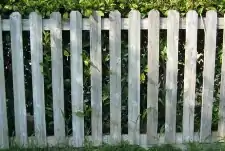
Sētas miets
Etymology
From Proto-Baltic *meyt-, *miet-, from Proto-Indo-European *mēyt-, *meyt-, from *mēy-, *mey- (“stake, pole”) with an extra -t, perhaps from the stem *mē- (“to delimit; to measure, to survey”), since stakes in line were one of the first means of marking or delimiting (cf. Latin mēta (“post; target”), mētor (“to delimit, to measure”)). Cognates include Lithuanian miẽtas, Old Irish methas (“border sign”) (< *mitostu-), Sanskrit मेथिः (methíḥ, “pole, pillar”), Old Armenian մոյթ (moytʿ, “support, prop, pillar”), Latin mēta (“cone, pointy post; border sign; target”) (< *mē(i)tā).[1]
Pronunciation
- IPA(key): [mìɛts]
| (file) |
Noun
miets m (1st declension)
Declension
Declension of miets (1st declension)
References
- Karulis, Konstantīns (1992), “miets”, in Latviešu Etimoloģijas Vārdnīca (in Latvian), Rīga: AVOTS, →ISBN
This article is issued from Wiktionary. The text is licensed under Creative Commons - Attribution - Sharealike. Additional terms may apply for the media files.