碭
See also: 砀
| ||||||||
Translingual
Han character
碭 (Kangxi radical 112, 石+9, 14 strokes, cangjie input 一口日一竹 (MRAMH), four-corner 16627, composition ⿰石昜)
References
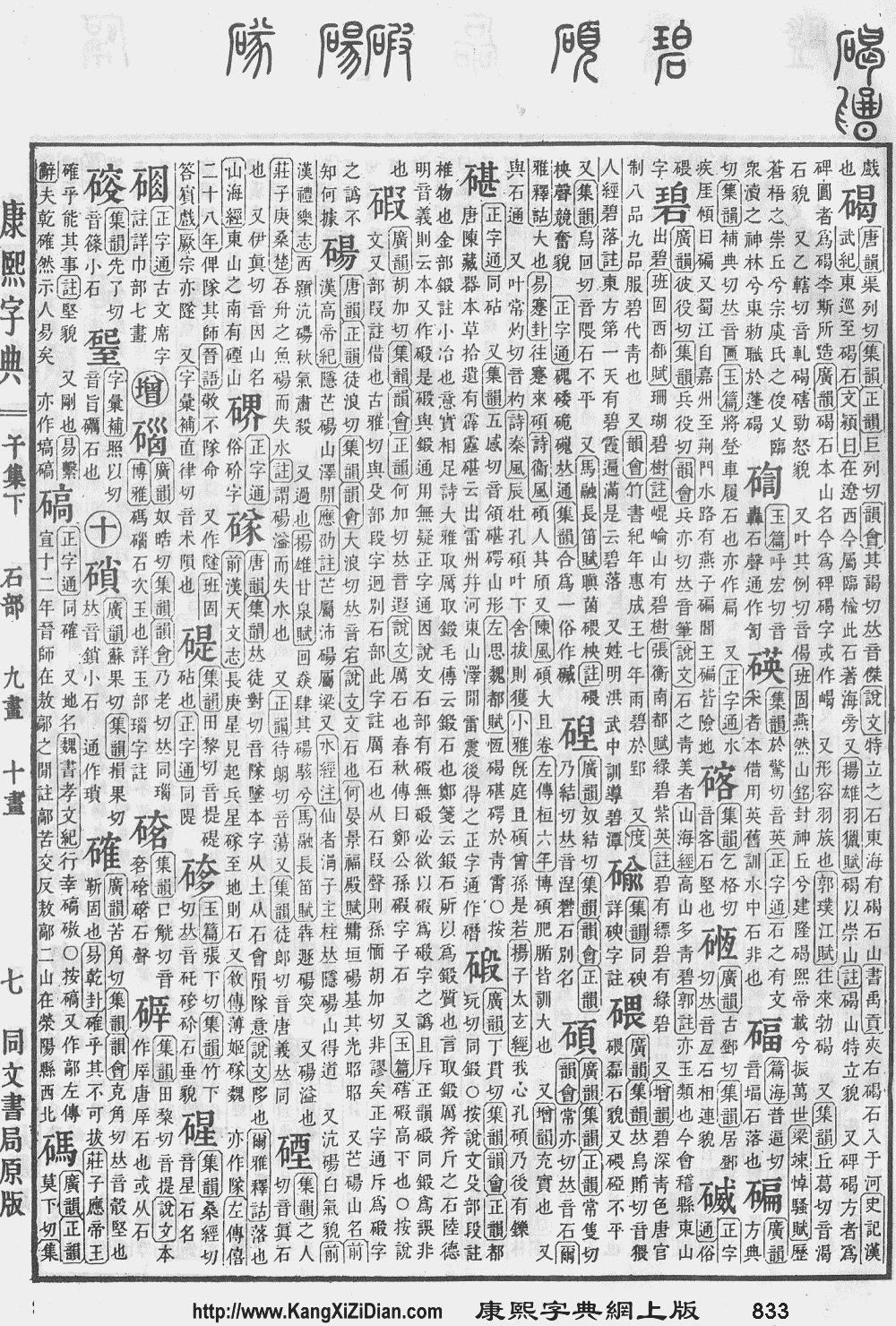
- KangXi: page 833, character 17
- Dai Kanwa Jiten: character 24342
- Dae Jaweon: page 1250, character 7
- Hanyu Da Zidian (first edition): volume 4, page 2443, character 2
- Unihan data for U+78AD
Chinese
| trad. | 碭 | |
|---|---|---|
| simp. | 砀 | |
Glyph origin
Characters in the same phonetic series (昜) (Zhengzhang, 2003)
| Old Chinese | |
|---|---|
| 湯 | *l̥ʰaːŋ, *l̥ʰaːŋs, *hljaŋ |
| 踼 | *l̥ʰaːŋ, *l̥ʰaːŋʔ, *l'aːŋ, *l'aːŋs |
| 蝪 | *l̥ʰaːŋ |
| 薚 | *l̥ʰaːŋ |
| 簜 | *l̥ʰaːŋ, *l'aːŋʔ |
| 盪 | *l̥ʰaːŋ, *l̥ʰaːŋs, *l'aːŋʔ |
| 偒 | *l̥ʰaːŋʔ |
| 蕩 | *l̥ʰaːŋs, *l'aːŋʔ |
| 燙 | *l̥ʰaːŋs |
| 啺 | *l'aːŋ |
| 碭 | *l'aːŋ, *l'aːŋs |
| 婸 | *l'aːŋʔ |
| 愓 | *l'aːŋʔ |
| 璗 | *l'aːŋʔ |
| 崵 | *l'aːŋʔ, *laŋ |
| 逿 | *l'aːŋs |
| 暢 | *l̥ʰaŋs |
| 畼 | *l̥ʰaŋs |
| 腸 | *l'aŋ |
| 場 | *l'aŋ |
| 傷 | *hljaŋ, *hljaŋs |
| 殤 | *hljaŋ |
| 觴 | *hljaŋ |
| 慯 | *hljaŋ, *hljaŋs |
| 禓 | *hljaŋ, *laŋ |
| 塲 | *hljaŋ |
| 陽 | *laŋ |
| 楊 | *laŋ |
| 揚 | *laŋ |
| 瘍 | *laŋ |
| 煬 | *laŋ, *laŋs |
| 鍚 | *laŋ |
| 暘 | *laŋ |
| 颺 | *laŋ, *laŋs |
| 昜 | *laŋ |
| 輰 | *laŋ |
| 敭 | *laŋ |
| 鰑 | *laŋ |
| 諹 | *laŋ, *laŋs |
| 瑒 | *laŋ, *rlaːŋʔ |
| 鸉 | *laŋ |
| 餳 | *ljaːŋ |
Pronunciation
Definitions
碭
Japanese
Kanji
碭
- This term needs a translation to English. Please help out and add a translation, then remove the text
{{rfdef}}.
Korean
Hanja
碭 • (tang) (hangeul 탕, revised tang, McCune–Reischauer t'ang, Yale thang)
- This term needs a translation to English. Please help out and add a translation, then remove the text
{{rfdef}}.
Vietnamese
Han character
碭: Hán Nôm readings: nãng
- This term needs a translation to English. Please help out and add a translation, then remove the text
{{rfdef}}.
This article is issued from Wiktionary. The text is licensed under Creative Commons - Attribution - Sharealike. Additional terms may apply for the media files.