أشقر
Arabic

(sense 1)
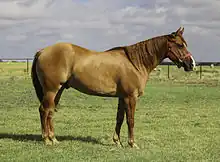
(sense 2)

(sense 2)
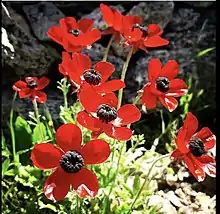
(sense 2)
Etymology
Color or defect adjective from the root ش ق ر (š-q-r). For the modern sense, compare the Spanish rubio (“fair-haired”) (from the Latin rubeus (“red”)).
Pronunciation
- IPA(key): /ʔaʃ.qar/
- (Hejazi) IPA(key): /ʔaʃ.ɡar/
Adjective
أَشْقَر • (ʔašqar) (feminine شَقْرَاء (šaqrāʔ), common plural شُقْر (šuqr))
- (modern, of hair) yellowish; fair, blond
- (archaic or dated) yellow-red or yellow-brown; red-brown; coppery; tan, tawny; chestnut; sorrel; blood-red
- Synonyms: see Thesaurus:ar:red
- (of a person or a complexion) swarthy; dark
- 1290, Ibn Manẓūr, “ر”, in لسان العرب [The Tongue of the Arabs], فصل الراء المهملة [The section of the undotted letter ر (rāʔ)], page 421:
- ابْنُ الْأَعْرَابِيِّ قَالَ : لَا تَكُونُ حَوْرَاءُ شَقْرَاءَ وَلَا أَدْمَاءُ حَوْرَاءَ وَلَا مَرْهَاءُ ، لَا تَكُونُ إِلَّا نَاصِعَةَ بَيَاضِ الْعَيْنَيْنِ فِي نُصُوعِ بَيَاضِ الْجِلْدِ فِي غَيْرِ مُرْهَةٍ وَلَا شُقْرَةٍ وَلَا أُدْمَةٍ وَلَا سُمُرَةٍ وَلَا كَمَدِ لَوْنٍ حَتَّى يَكُونَ لَوْنُهَا مُشْرِقًا وَدَمُهَا ظَاهِرًا .
- Ibn al-ʾAʿrābī said, "A ḥawrāʾ woman is not tawny-skinned, nor would a dark-skinned one be ḥawrāʾ, nor would a pale one. A ḥawrāʾ woman would have scleras as pure-white as the skin, with no paleness, nor tawniness, nor darkness, nor brownness, nor dullness in skin-tone, so that her skin is clear and her blood-flow is showing through."
Declension
Declension of adjective أَشْقَر (ʔašqar)
| Singular | Masculine | Feminine | ||
|---|---|---|---|---|
| basic singular diptote | basic singular diptote | |||
| Indefinite | Definite | Indefinite | Definite | |
| Informal | أَشْقَر ʔašqar |
الْأَشْقَر al-ʔašqar |
شَقْرَاء šaqrāʔ |
الشَّقْرَاء aš-šaqrāʔ |
| Nominative | أَشْقَرُ ʔašqaru |
الْأَشْقَرُ al-ʔašqaru |
شَقْرَاءُ šaqrāʔu |
الشَّقْرَاءُ aš-šaqrāʔu |
| Accusative | أَشْقَرَ ʔašqara |
الْأَشْقَرَ al-ʔašqara |
شَقْرَاءَ šaqrāʔa |
الشَّقْرَاءَ aš-šaqrāʔa |
| Genitive | أَشْقَرَ ʔašqara |
الْأَشْقَرِ al-ʔašqari |
شَقْرَاءَ šaqrāʔa |
الشَّقْرَاءِ aš-šaqrāʔi |
| Dual | Masculine | Feminine | ||
| Indefinite | Definite | Indefinite | Definite | |
| Informal | أَشْقَرَيْن ʔašqarayn |
الْأَشْقَرَيْن al-ʔašqarayn |
شَقْرَاوَيْن šaqrāwayn |
الشَّقْرَاوَيْن aš-šaqrāwayn |
| Nominative | أَشْقَرَانِ ʔašqarāni |
الْأَشْقَرَانِ al-ʔašqarāni |
شَقْرَاوَانِ šaqrāwāni |
الشَّقْرَاوَانِ aš-šaqrāwāni |
| Accusative | أَشْقَرَيْنِ ʔašqarayni |
الْأَشْقَرَيْنِ al-ʔašqarayni |
شَقْرَاوَيْنِ šaqrāwayni |
الشَّقْرَاوَيْنِ aš-šaqrāwayni |
| Genitive | أَشْقَرَيْنِ ʔašqarayni |
الْأَشْقَرَيْنِ al-ʔašqarayni |
شَقْرَاوَيْنِ šaqrāwayni |
الشَّقْرَاوَيْنِ aš-šaqrāwayni |
| Plural | Masculine | Feminine | ||
| basic broken plural triptote | basic broken plural triptote | |||
| Indefinite | Definite | Indefinite | Definite | |
| Informal | شُقْر šuqr |
الشُّقْر aš-šuqr |
شُقْر šuqr |
الشُّقْر aš-šuqr |
| Nominative | شُقْرٌ šuqrun |
الشُّقْرُ aš-šuqru |
شُقْرٌ šuqrun |
الشُّقْرُ aš-šuqru |
| Accusative | شُقْرًا šuqran |
الشُّقْرَ aš-šuqra |
شُقْرًا šuqran |
الشُّقْرَ aš-šuqra |
| Genitive | شُقْرٍ šuqrin |
الشُّقْرِ aš-šuqri |
شُقْرٍ šuqrin |
الشُّقْرِ aš-šuqri |
| أَبْيَض (ʔabyaḍ), أَشْيَب (ʔašyab) | رَمَادِيّ (ramādiyy), أَشْهَب (ʔašhab), أَغْبَر (ʔaḡbar), أَعْفَر (ʔaʕfar) | أَسْوَد (ʔaswad), غِرْبِيب (ḡirbīb), أَحَمّ (ʔaḥamm), أَدْهَم (ʔadham) |
| أَحْمَر (ʔaḥmar), أَصْهَب (ʔaṣhab); قِرْمِزِيّ (qirmiziyy) | أَمْغَر (ʔamḡar), بُرْتُقَالِيّ (burtuqāliyy); بُنِّيّ (bunniyy), أَسْمَر (ʔasmar), أَشْعَل (ʔašʕal), أَشْهَل (ʔašhal) | أَصْفَر (ʔaṣfar), أَشْقَر (ʔašqar); قِشْدِيّ (qišdiyy) |
| لَيْمِيّ (laymiyy) | أَخْضَر (ʔaḵḍar), أَحْوَى (ʔaḥwā) | نَعْنَاعِيّ (naʕnāʕiyy) |
| سَمَاوِيّ (samāwiyy), فَيْرُوزِيّ (fayrūziyy); حَذَفِيّ (ḥaḏafiyy), شَرْشِيرِيّ (šaršīriyy) | لَازُوَرْدِيّ (lāzuwardiyy) | أَزْرَق (ʔazraq) |
| بَنَفْسَجِيّ (banafsajiyy), فِرْفِيرِيّ (firfīriyy); نِيلِيّ (nīliyy) | فُوشِيّ (fūšiyy); أُرْجُوَانِيّ (ʔurjuwāniyy) | وَرْدِيّ (wardiyy), زَهْرِيّ (zahriyy) |
References
- Lane, Edward William (1863), “أشقر”, in Arabic-English Lexicon, London: Williams & Norgate
- Wehr, Hans (1979), “أشقر”, in J. Milton Cowan, editor, A Dictionary of Modern Written Arabic, 4th edition, Ithaca, NY: Spoken Language Services, →ISBN
This article is issued from Wiktionary. The text is licensed under Creative Commons - Attribution - Sharealike. Additional terms may apply for the media files.