唉

See also: 誒
唉 U+5509, 唉
CJK UNIFIED IDEOGRAPH-5509
← 唈
[U+5508]
CJK Unified Ideographs 唊 →
[U+550A]

Translingual

Han character

唉 (Kangxi radical 30, 口+7, 10 strokes, cangjie input 口戈人大 (RIOK), four-corner 63034, composition ⿰口矣)

References

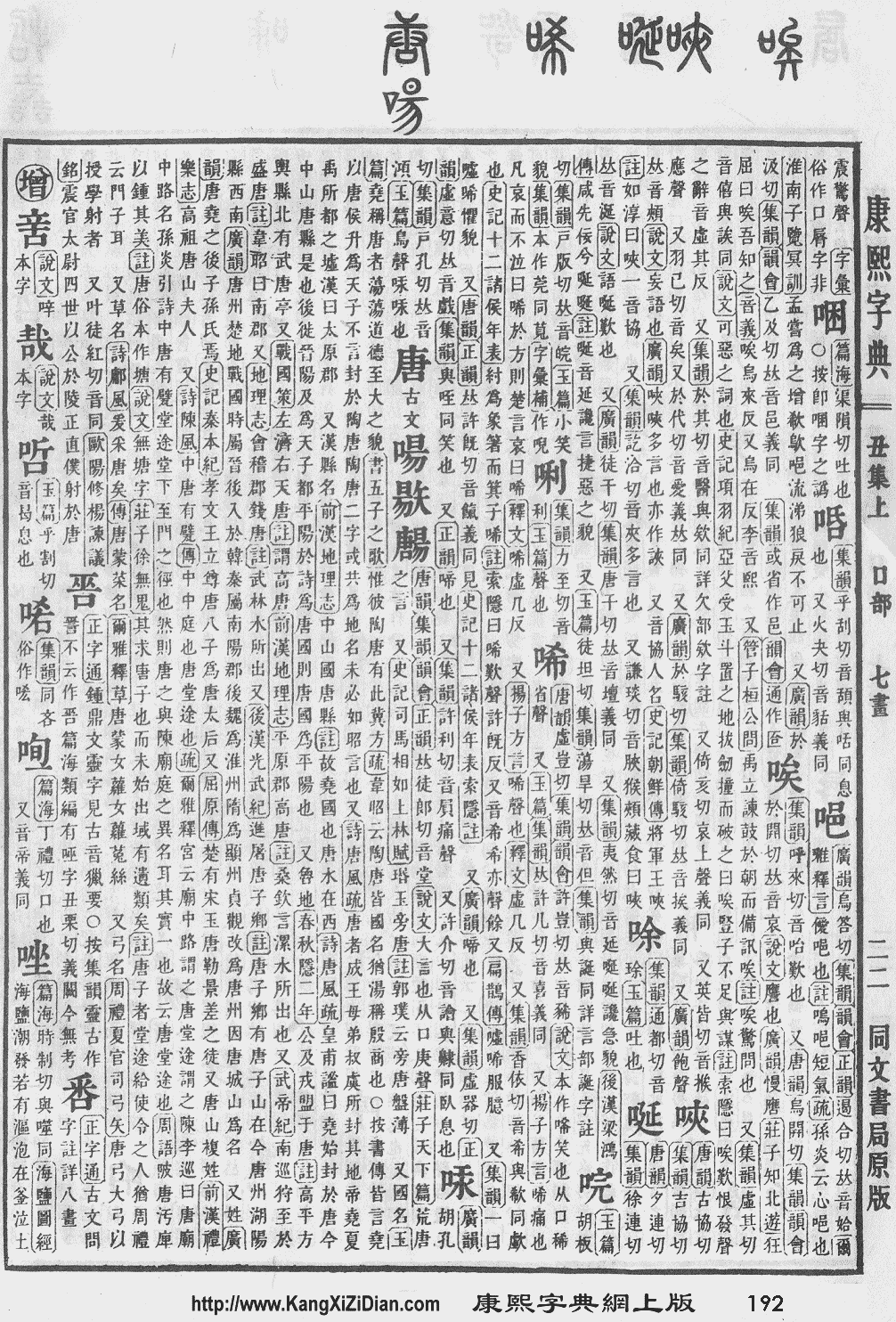
  • KangXi: page 192, character 4
  • Dai Kanwa Jiten: character 3701
  • Dae Jaweon: page 411, character 12
  • Hanyu Da Zidian (first edition): volume 1, page 635, character 6
  • Unihan data for U+5509

Chinese

trad. 唉
simp. # 唉

Glyph origin

Phono-semantic compound (形聲, OC *qʰlɯː, *qɯː, *qrɯː, *qrɯːʔ) : semantic 口 (“mouth”) + phonetic 矣 (OC *ɢlɯʔ).

Pronunciation 1


Note: The zero initial /∅-/ is commonly pronounced with a ng-initial /ŋ-/ in some varieties of Cantonese, including Hong Kong Cantonese.

Definitions

唉

  1. interjection or grunt of agreement; yes; right

Pronunciation 2


Note: The zero initial /∅-/ is commonly pronounced with a ng-initial /ŋ-/ in some varieties of Cantonese, including Hong Kong Cantonese.

Definitions

唉

  1. alas

Compounds

Japanese

Kanji

唉

(uncommon “Hyōgai” kanji)

  1. alas

Readings

  • Go-on: い (i); き (ki)
  • Kan-on: あい (ai); かい (kai)
  • Kun: ああ (aa), ああおお (aaoo), いやいやこたえる (iyaiyakotaeru)

Korean

Hanja

唉 • (ae) (hangeul 애, revised ae, McCune–Reischauer ae, Yale ay)

  1. ask
  2. answer

Tày

Verb

唉 (transliteration needed)

  1. Nôm form of hảy (“to cry”).
  2. Nôm form of háy (“to work, to toil”).

References

  • Lục Văn Pảo; Hoàng Tuấn Nam (2003), Hoàng Triều Ân, editor, Từ điển chữ Nôm Tày [A Dictionary of (chữ) Nôm Tày]‎ (in Vietnamese), Hanoi: Nhà xuất bản Khoa học Xã hội

Vietnamese

Han character

唉: Hán Nôm readings: ai, hãy, hởi, hỡi, hễ, hĩ, hơi

  1. This term needs a translation to English. Please help out and add a translation, then remove the text {{rfdef}}.
This article is issued from Wiktionary. The text is licensed under Creative Commons - Attribution - Sharealike. Additional terms may apply for the media files.