悢
| ||||||||
Translingual
Han character
悢 (Kangxi radical 61, 心+7, 10 strokes, cangjie input 心戈日女 (PIAV), four-corner 93032, composition ⿰忄良)
References
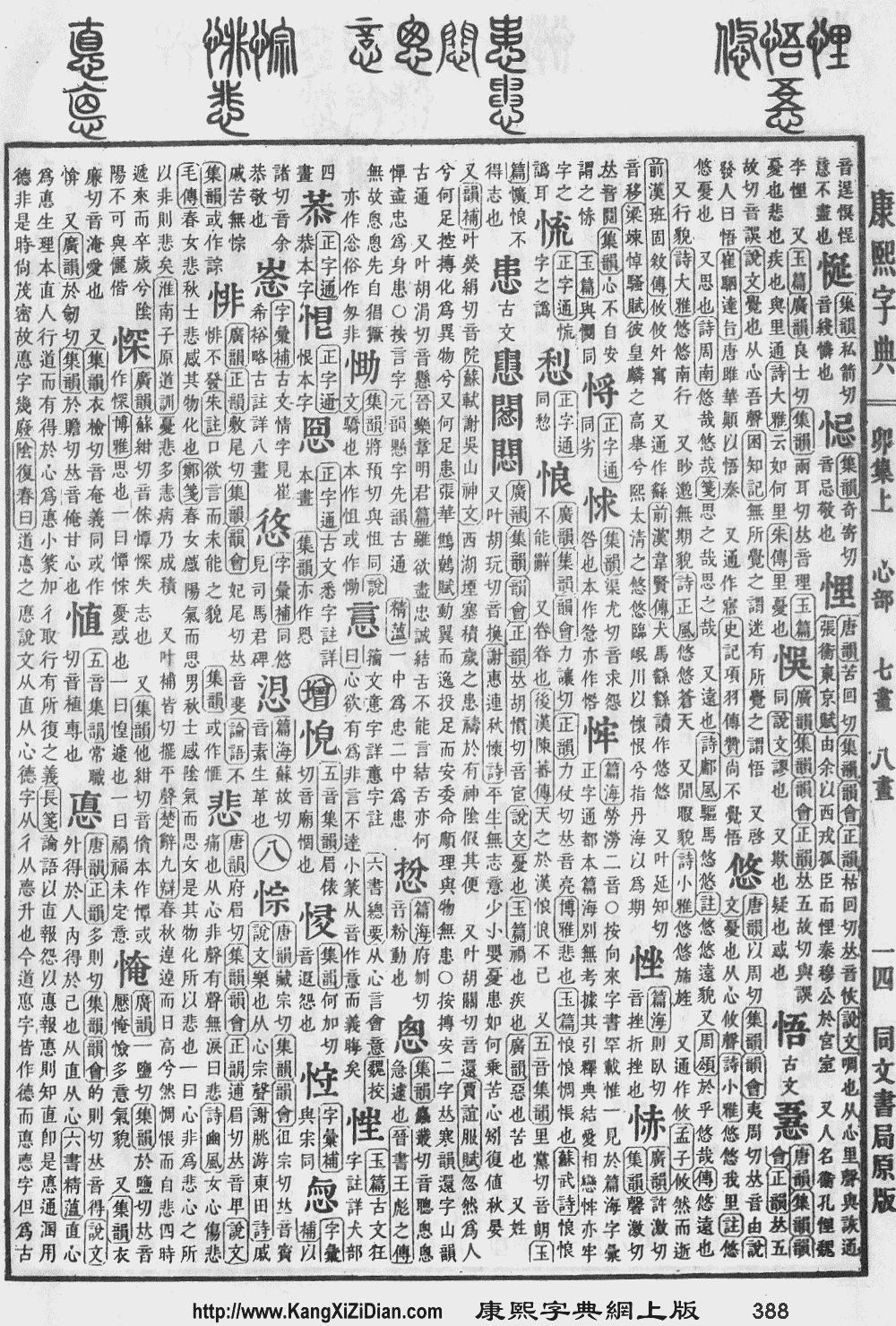
- KangXi: page 388, character 15
- Dai Kanwa Jiten: character 10690
- Dae Jaweon: page 721, character 7
- Hanyu Da Zidian (first edition): volume 4, page 2307, character 3
- Unihan data for U+60A2
Chinese
| simp. and trad. |
悢 | |
|---|---|---|
| alternative forms | 惊 𢝋 | |
Glyph origin
Characters in the same phonetic series (良) (Zhengzhang, 2003)
| Old Chinese | |
|---|---|
| 剆 | *raːl, *raːlʔ |
| 郎 | *raːŋ |
| 稂 | *raːŋ |
| 桹 | *raːŋ |
| 鋃 | *raːŋ |
| 硠 | *raːŋ |
| 浪 | *raːŋ, *raːŋs |
| 蜋 | *raːŋ, *raŋ |
| 琅 | *raːŋ |
| 狼 | *raːŋ |
| 欴 | *raːŋ |
| 踉 | *raːŋ, *raŋ, *raŋs |
| 莨 | *raːŋ, *raːŋs |
| 艆 | *raːŋ |
| 駺 | *raːŋ |
| 躴 | *raːŋ |
| 筤 | *raːŋ |
| 閬 | *raːŋ, *raːŋs |
| 哴 | *raːŋ, *raŋs |
| 蓈 | *raːŋ |
| 廊 | *raːŋ |
| 榔 | *raːŋ, *raːŋʔ |
| 螂 | *raːŋ |
| 瑯 | *raːŋ |
| 朗 | *raːŋʔ |
| 朖 | *raːŋʔ |
| 誏 | *raːŋʔ |
| 俍 | *raːŋʔ |
| 崀 | *raːŋʔ |
| 埌 | *raːŋs |
| 蒗 | *raːŋs |
| 娘 | *naŋ |
| 良 | *raŋ |
| 粮 | *raŋ |
| 悢 | *raŋs |
Pronunciation 1
Pronunciation 2
References
- “悢”, in 漢語多功能字庫 (Multi-function Chinese Character Database), 香港中文大學 (the Chinese University of Hong Kong), 2014–
Japanese
Kanji
悢
- This term needs a translation to English. Please help out and add a translation, then remove the text
{{rfdef}}.
Korean
This article is issued from Wiktionary. The text is licensed under Creative Commons - Attribution - Sharealike. Additional terms may apply for the media files.