懟
| ||||||||
Translingual
Han character
懟 (Kangxi radical 61, 心+14, 18 strokes, cangjie input 廿戈心 (TIP), four-corner 34330, composition ⿱對心)
Related characters
References
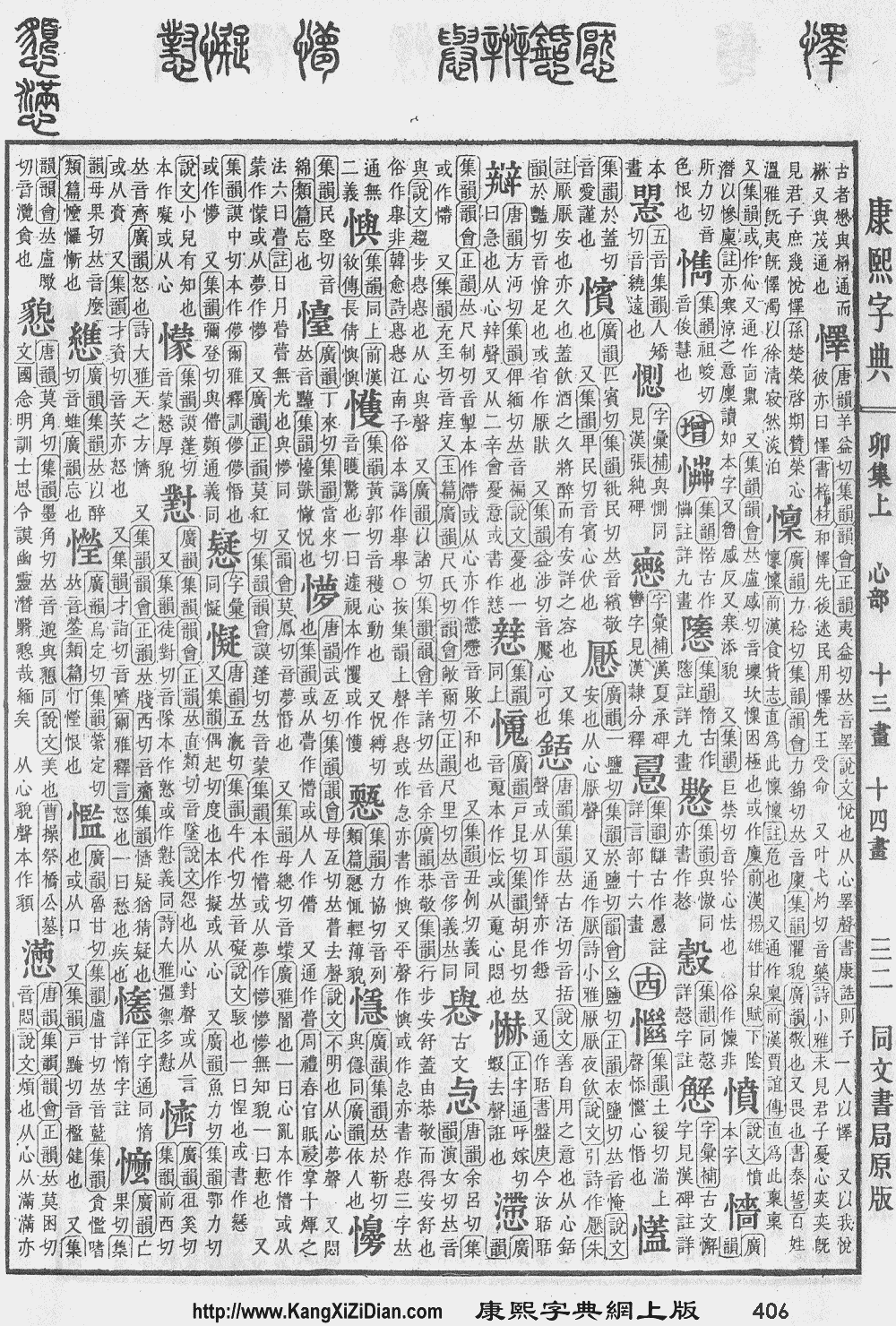
- KangXi: page 406, character 37
- Dai Kanwa Jiten: character 11376
- Dae Jaweon: page 747, character 30
- Hanyu Da Zidian (first edition): volume 4, page 2363, character 10
- Unihan data for U+61DF
Chinese
Glyph origin
Characters in the same phonetic series (對) (Zhengzhang, 2003)
Phono-semantic compound (形聲, OC *dubs) : phonetic 對 (OC *tuːbs) + semantic 心 (“heart”).
Pronunciation
Definitions
懟
References
- Dictionary of Chinese Character Variants (教育部異體字字典), B01217
- “懟”, in 漢語多功能字庫 (Multi-function Chinese Character Database), 香港中文大學 (the Chinese University of Hong Kong), 2014–
Etymology 2
Non-orthodox character popularized in the 2010s.
Definitions
| For pronunciation and definitions of 懟 – see 㨃 (“to poke; to answer back; etc.”). (This character, 懟, is a variant form of 㨃.) |
Japanese
Kanji
懟
- This term needs a translation to English. Please help out and add a translation, then remove the text
{{rfdef}}.
Korean
Hanja
懟 • (dae) (hangeul 대, revised dae, McCune–Reischauer tae, Yale tay)
- This term needs a translation to English. Please help out and add a translation, then remove the text
{{rfdef}}.
Vietnamese
Han character
- This term needs a translation to English. Please help out and add a translation, then remove the text
{{rfdef}}.
References
This article is issued from Wiktionary. The text is licensed under Creative Commons - Attribution - Sharealike. Additional terms may apply for the media files.