梨
| ||||||||
| ||||||||
Translingual
Han character
梨 (Kangxi radical 75, 木+7, 11 strokes, cangjie input 竹弓木 (HND) or X竹弓木 (XHND), four-corner 22904, composition ⿱利木)
References
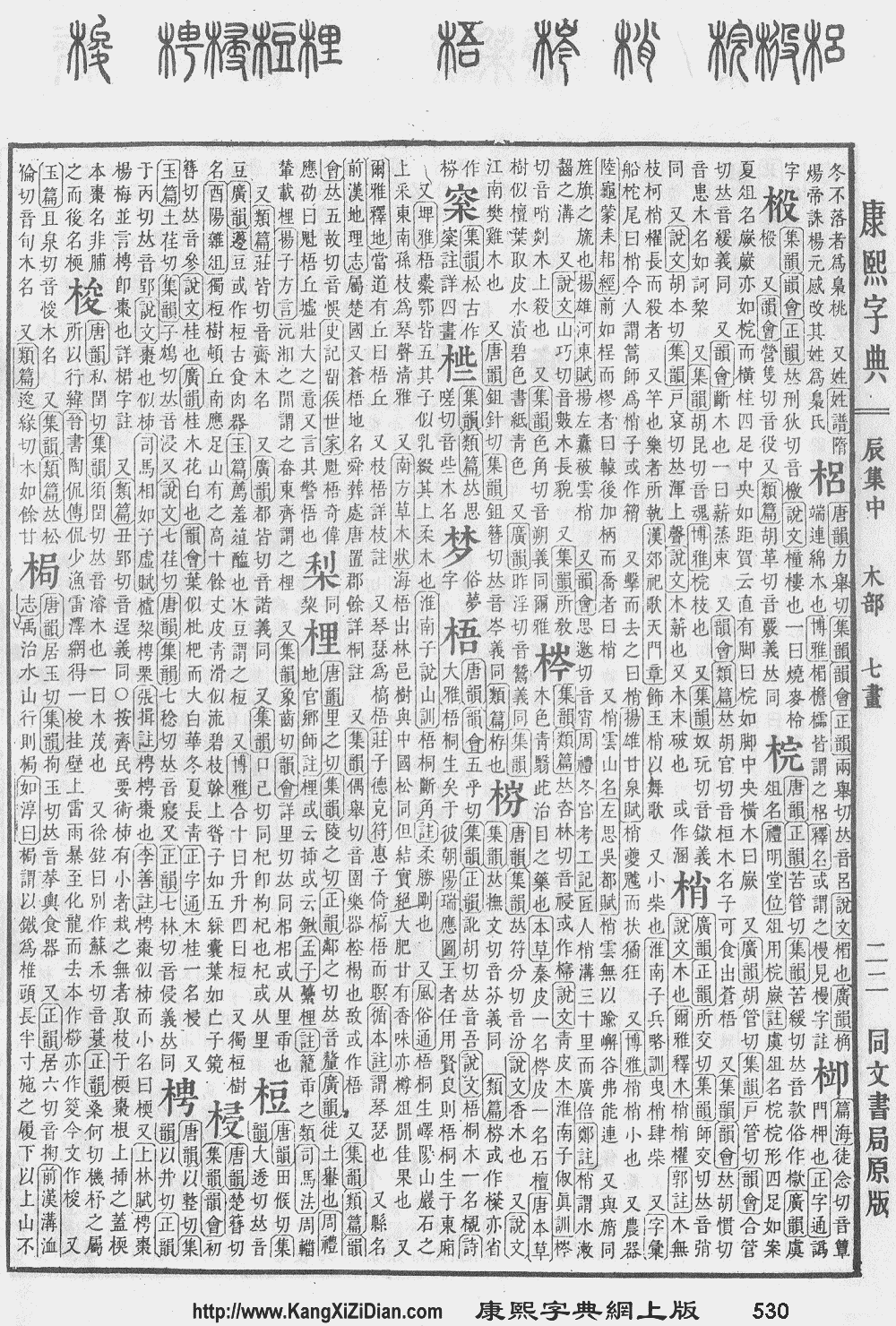
- KangXi: page 530, character 12
- Dai Kanwa Jiten: character 14873
- Dae Jaweon: page 918, character 10
- Hanyu Da Zidian (first edition): volume 2, page 1215, character 10
- Unihan data for U+68A8
- Unihan data for U+F9E2
Chinese
| trad. | 梨 | |
|---|---|---|
| simp. # | 梨 | |
| alternative forms | 棃 梸 | |
Glyph origin
| Historical forms of the character 梨 | |
|---|---|
| Shuowen Jiezi (compiled in Han) | Liushutong (compiled in Ming) |
| Small seal script | Transcribed ancient scripts |
 |
 |
Characters in the same phonetic series (利) (Zhengzhang, 2003)
Phono-semantic compound (形聲, OC *ril) : phonetic 利 (OC *rids) + semantic 木.
Etymology
Unknown. Also found in Proto-Hmong-Mien *rəj; folk etymology derives this from 利 (OC *rids, “sharp”) (Schuessler, 2007).
Pronunciation

Synonyms
Dialectal synonyms of 梨 (“pear”) [map]
Compounds
Derived terms from 梨
|
|
Descendants
- → Malay: lai (“pear”)
- → Proto-Hmong-Mien: *rəj (“pear”)
Japanese
Etymology 1

| Kanji in this term |
|---|
| 梨 |
| なし Grade: 4 |
| kun’yomi |
From Old Japanese [Term?]. Derivation unclear, with numerous theories. Two of the more common are given below.
- May be originally a compound of 中 (na, “middle, center”, hypothesized root of modern naka) + 白 (shiro, “white”) in reference to the pale flesh of the fruit.
- */na ɕiro/ → /naɕi/
- Alternatively, may be originally a compound of 中 (na, “middle, center”, hypothesized root of modern naka) + 酢 (su, “sour, acidic”) in reference to the way the flavor of the fruit becomes more astringent closer to the core.
- */na su/ → /naɕi/
Alternative forms
Pronunciation
Noun
梨 • (nashi)
- a pear tree
- a pear (the fruit)
- more specifically, the Japanese pear or Asian pear, Pyrus pyrifolia
Usage notes
As with many terms that name organisms, this term is often spelled in katakana, especially in biological contexts (where katakana is customary), as ナシ.
Derived terms
Derived terms
- 梨河豚 (nashifugu): the pear puffer: Gastrophysus vermicularis, syn. Takifugu vermicularis
- 梨子地 (nashiji), 梨地 (nashiji): nashiji, a lacquering technique using gold or silver powder or flakes
- 青梨 (ao nashi): a Harbin pear, Ussurian pear, Chinese pear: Pyrus ussuriensis var. hondoensis
- 玄圃梨 (kenpo nashi): the Japanese raisin tree: Hovenia dulcis
- 猿梨 (saru nashi): the hardy kiwi, kiwi berry or tara vine: Actinidia arguta
- 西洋梨 (seiyō nashi): the European or Western pear: Pyrus communis
- 浜梨 (hama nashi): the rugosa rose, Japanese rose, or Ramanas rose: Rosa rugosa
- 山梨 (yama nashi): the wild nashi or wild Japanese pear: Pyrus pyrifolia var. pyrifolia
- 山梨県 (Yamanashi-ken): Yamanashi prefecture
- 洋梨 (yōnashi): the European or Western pear: Pyrus communis
- 鰐梨 (wani nashi): the avocado or alligator pear: Persea americana
Etymology 2
| Kanji in this term |
|---|
| 梨 |
| り Grade: 4 |
| on’yomi |
From Middle Chinese 梨 (*li). Compare modern Mandarin reading lí.
Pronunciation
- IPA(key): [ɾʲi]
Affix
梨 • (ri)
- a pear tree
- a pear (the fruit)
- more specifically, the Japanese pear or Asian pear, Pyrus pyrifolia
Derived terms
Derived terms
- 梨園 (rien): the theatrical world, the world of the theater
- 梨果 (rika): a pome
- 梨花 (rika), 梨華 (rika), 梨英 (rika): pear flower, pear blossom
- 梨状筋 (rijōkin): the piriformis muscle
- 阿闍梨 (ajari), 阿闍梨 (azari): a high monk or high priest; a monk who conducts religious services; an initiate
- 頗梨 (hari): quartz; glass
- 鳳梨 (hōri): pineapple (obsolete)
Pronunciation
- IPA(key): [ɾʲĩɴ]
Derived terms
Derived terms
- 花梨 (karin) the Burmese rosewood, angsana, amboyna: Pterocarpus indicus; the flowering quince: Pseudocydonia sinensis; the Chinese quince: Chaenomeles sinensis; the quince: Cydonia oblonga
Korean
Vietnamese
This article is issued from Wiktionary. The text is licensed under Creative Commons - Attribution - Sharealike. Additional terms may apply for the media files.