潰
See also: 溃
| ||||||||
Translingual
Han character
潰 (Kangxi radical 85, 水+12, 15 strokes, cangjie input 水中一金 (ELMC), four-corner 35186, composition ⿰氵貴)
References
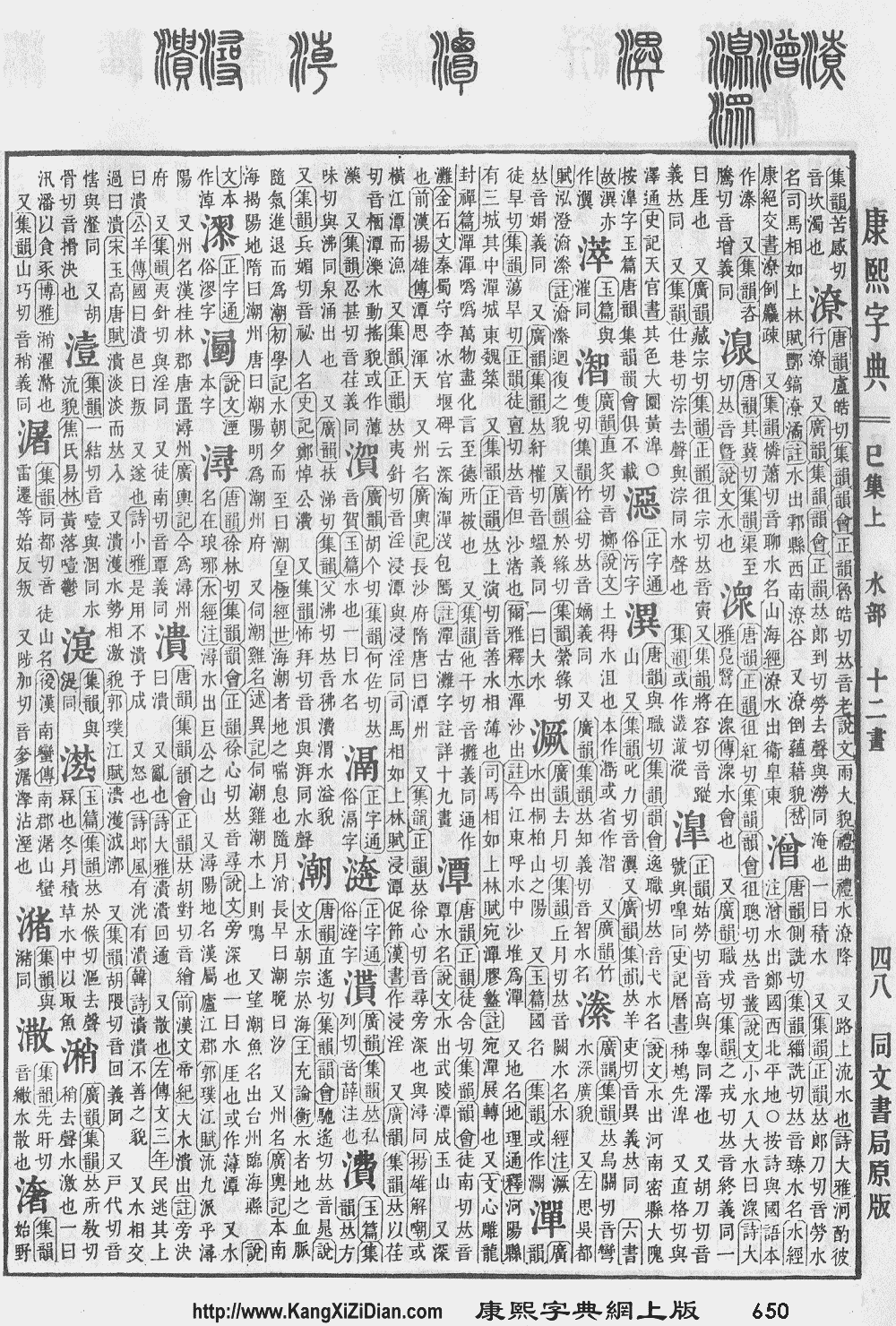
- KangXi: page 650, character 23
- Dai Kanwa Jiten: character 18281
- Dae Jaweon: page 1061, character 4
- Hanyu Da Zidian (first edition): volume 3, page 1741, character 2
- Unihan data for U+6F70
Chinese
| trad. | 潰 | |
|---|---|---|
| simp. | 溃 | |
Glyph origin
Characters in the same phonetic series (貴) (Zhengzhang, 2003)
| Old Chinese | |
|---|---|
| 藬 | *l'uːl |
| 僓 | *l̥ʰuːlʔ, *ɡluːds |
| 頹 | *l'uːl |
| 穨 | *l'uːl |
| 蘈 | *l'uːl |
| 隤 | *l'uːl |
| 墤 | *l'uːl, *kʰruːds |
| 尵 | *l'uːl, *r'uːl |
| 蹪 | *l'uːl |
| 瀢 | *l'uːlʔ, *lulʔ |
| 鞼 | *kluːl, *ɡruls |
| 膭 | *kluːl, *ɡluːls |
| 憒 | *kluːds |
| 靧 | *ɡluːds |
| 潰 | *ɡluːls |
| 繢 | *ɡluːds |
| 嬇 | *ɡluːds, *kʰruːds |
| 殨 | *ɡluːds |
| 闠 | *ɡluːds |
| 簣 | *kʰruːds, *ɡruds |
| 嘳 | *kʰruːds, *kʰruds |
| 蕢 | *kʰruːds, *ɡruds |
| 聵 | *ŋɡruːds |
| 樻 | *kʰruds, *ɡruds |
| 䙡 | *kʰruds, *kʰluds |
| 匱 | *ɡruds |
| 臾 | *ɡruds, *lo |
| 饋 | *ɡruls |
| 櫃 | *ɡruds |
| 遺 | *lul, *luls |
| 壝 | *lul, *lulʔ |
| 瞶 | *luls, *kluls |
| 貴 | *kluds |
Phono-semantic compound (形聲, OC *ɡluːls) : semantic 氵 + phonetic 貴 (OC *kluds).
Pronunciation
Definitions
潰
Compounds
Japanese
Readings
Pronunciation
- IPA(key): [ka̠i]
Usage notes
In modern Japanese, 潰 is mostly replaced by 壊, due to the deprecation of non-tōyō kanji caused by the Japanese script reform.
Korean
Hanja
潰 • (gwe) (hangeul 궤, revised gwe, McCune–Reischauer kwe, Yale kwey)
- This term needs a translation to English. Please help out and add a translation, then remove the text
{{rfdef}}.
Vietnamese
This article is issued from Wiktionary. The text is licensed under Creative Commons - Attribution - Sharealike. Additional terms may apply for the media files.