靧
| ||||||||
Translingual
Han character
靧 (Kangxi radical 176, 面+12, 21 strokes, cangjie input 一田中一金 (MWLMC), composition ⿰面貴)
References
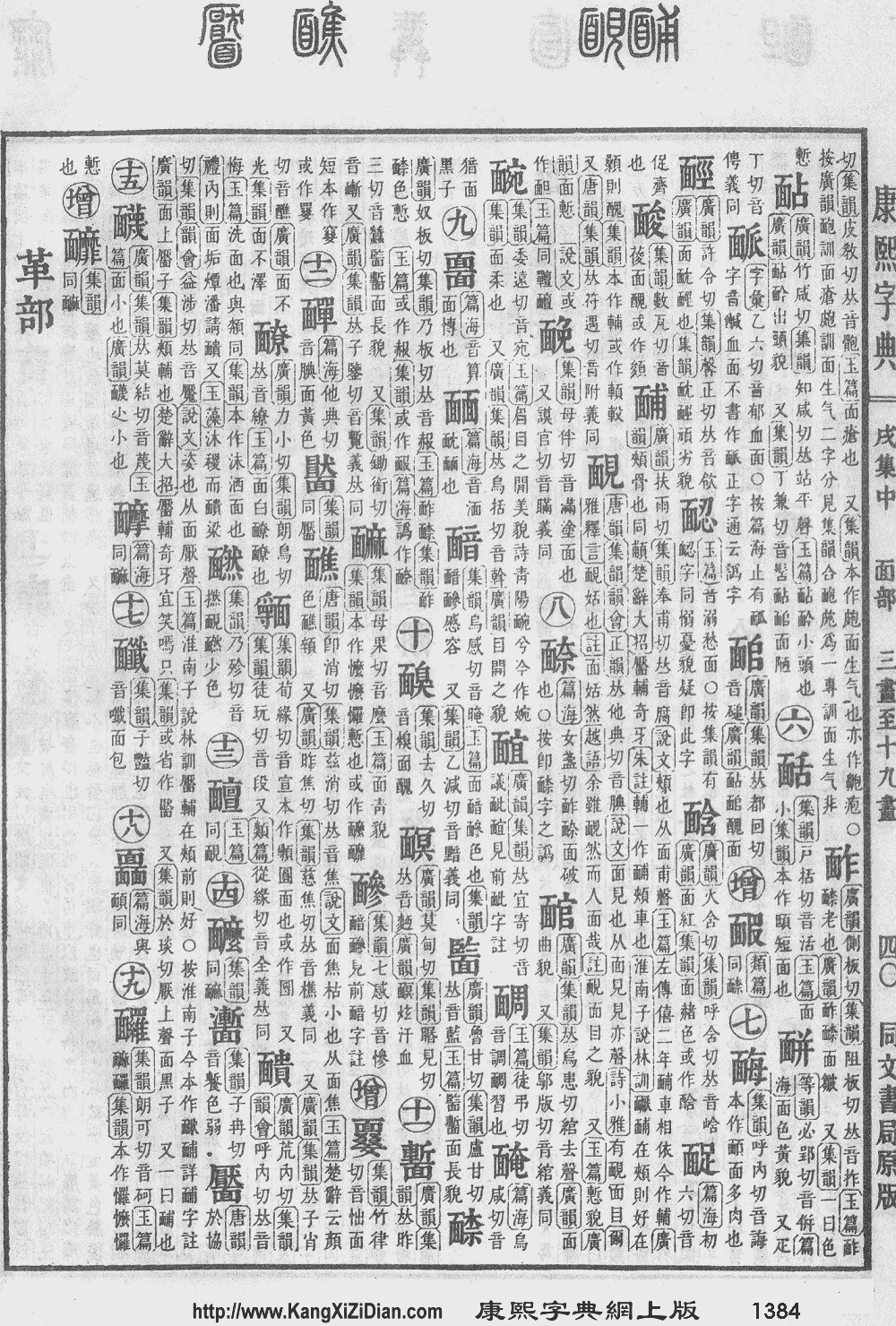
- KangXi: page 1384, character 39
- Dai Kanwa Jiten: character 42689
- Dae Jaweon: page 1899, character 1
- Hanyu Da Zidian (first edition): volume 7, page 4402, character 2
- Unihan data for U+9767
Chinese
| trad. | 靧 | |
|---|---|---|
| simp. | 𫖃 | |
| alternative forms | 頮/颒 湏 沬 | |
Glyph origin
Characters in the same phonetic series (貴) (Zhengzhang, 2003)
| Old Chinese | |
|---|---|
| 藬 | *l'uːl |
| 僓 | *l̥ʰuːlʔ, *ɡluːds |
| 頹 | *l'uːl |
| 穨 | *l'uːl |
| 蘈 | *l'uːl |
| 隤 | *l'uːl |
| 墤 | *l'uːl, *kʰruːds |
| 尵 | *l'uːl, *r'uːl |
| 蹪 | *l'uːl |
| 瀢 | *l'uːlʔ, *lulʔ |
| 鞼 | *kluːl, *ɡruls |
| 膭 | *kluːl, *ɡluːls |
| 憒 | *kluːds |
| 靧 | *ɡluːds |
| 潰 | *ɡluːls |
| 繢 | *ɡluːds |
| 嬇 | *ɡluːds, *kʰruːds |
| 殨 | *ɡluːds |
| 闠 | *ɡluːds |
| 簣 | *kʰruːds, *ɡruds |
| 嘳 | *kʰruːds, *kʰruds |
| 蕢 | *kʰruːds, *ɡruds |
| 聵 | *ŋɡruːds |
| 樻 | *kʰruds, *ɡruds |
| 䙡 | *kʰruds, *kʰluds |
| 匱 | *ɡruds |
| 臾 | *ɡruds, *lo |
| 饋 | *ɡruls |
| 櫃 | *ɡruds |
| 遺 | *lul, *luls |
| 壝 | *lul, *lulʔ |
| 瞶 | *luls, *kluls |
| 貴 | *kluds |
Phono-semantic compound (形聲, OC *ɡluːds) : semantic 面 + phonetic 貴 (OC *kluds).
Pronunciation
Definitions
靧
- † to wash the face
- 五日,則燂湯請浴,三日具沐,其間面垢,燂潘請靧;足垢,燂湯請洗。 [Classical Chinese, trad.]
- From: The Book of Rites, c. 4th – 2nd century BCE
- Wǔ rì, zé tán tāng qǐng yù, sān rì jù mù, qíjiān miàn gòu, tán pān qǐng huì; zú gòu, tán tāng qǐng xǐ. [Pinyin]
- (please add an English translation of this example)
五日,则燂汤请浴,三日具沐,其间面垢,燂潘请𫖃;足垢,燂汤请洗。 [Classical Chinese, simp.]
Synonyms
Dialectal synonyms of 洗臉 (“to wash one's face”) [map]
This article is issued from Wiktionary. The text is licensed under Creative Commons - Attribution - Sharealike. Additional terms may apply for the media files.