畢
See also: 毕
| ||||||||
Translingual
Han character
畢 (Kangxi radical 102, 田+6, 11 strokes, cangjie input 田廿十 (WTJ), four-corner 60507)
References
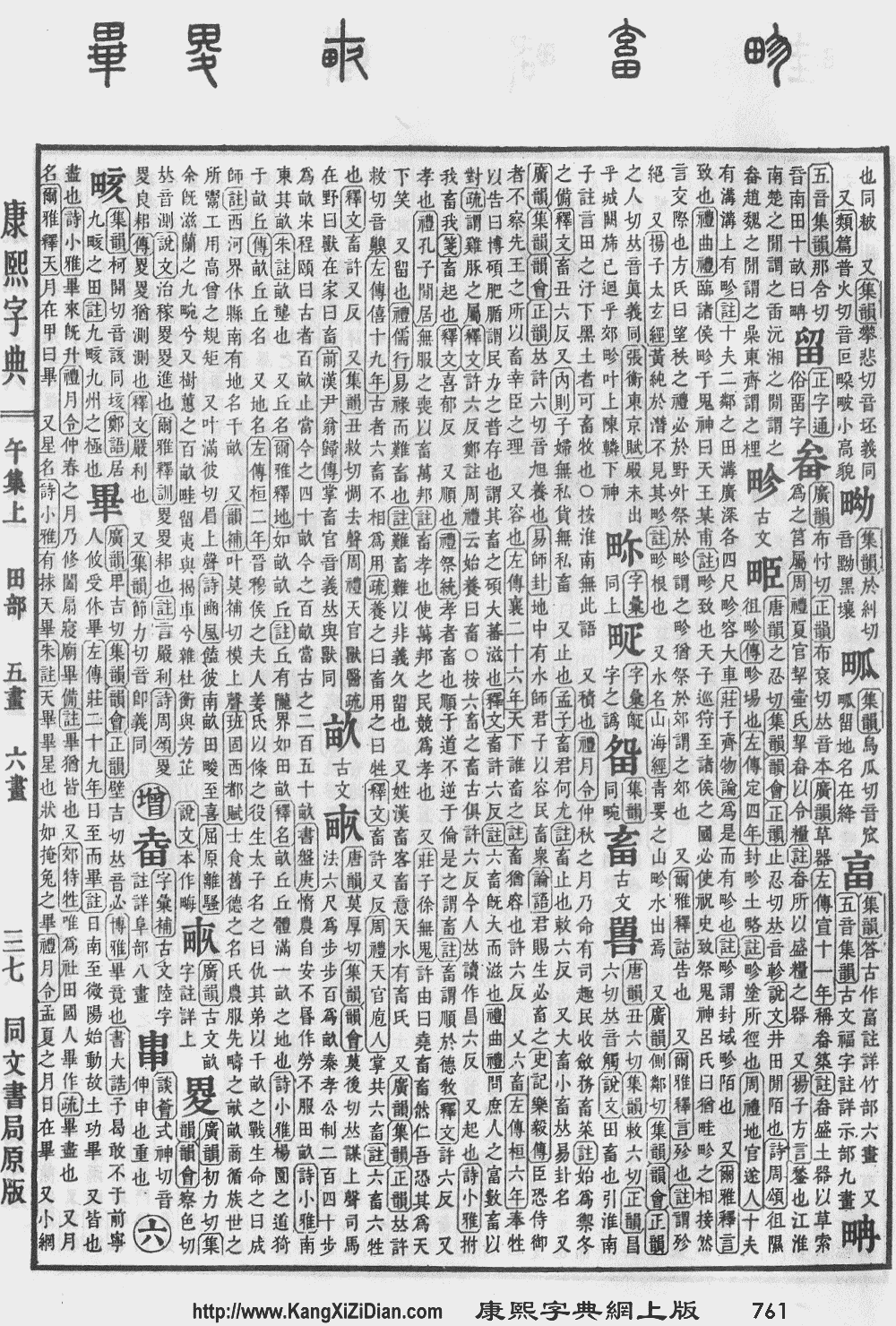
- KangXi: page 761, character 21
- Dai Kanwa Jiten: character 21829
- Dae Jaweon: page 1171, character 13
- Hanyu Da Zidian (first edition): volume 4, page 2535, character 9
- Unihan data for U+7562
Chinese
| trad. | 畢 | |
|---|---|---|
| simp. | 毕 | |
| alternative forms | 罼/𬙝 鏎 𤲃 | |
Glyph origin
Pronunciation
Definitions
畢
- (obsolete) a long-handled small net for catching birds or rabbits
- 夫弓、弩、畢、弋、機變之知多,則鳥亂於上矣。 [Classical Chinese, trad.]
- From: Zhuangzi, circa 3rd – 2nd centuries BCE
- Fú gōng, nǔ, bì, yì, jībiàn zhī zhī duō, zé niǎo luàn yú shàng yǐ. [Pinyin]
- The knowledge shown in the (making of) bows, cross-bows, band-nets, stringed arrows, and contrivances with springs is great, but the birds are troubled by them above.
夫弓、弩、毕、弋、机变之知多,则鸟乱于上矣。 [Classical Chinese, simp.]
- (obsolete) to catch (birds or rabbits) using such a net
- 鴛鴦于飛,畢之羅之。 [Pre-Classical Chinese, trad.]
- From: The Classic of Poetry, c. 11th – 7th centuries BCE, translated based on James Legge's version
- Yuānyāng yú fēi, bì zhī luó zhī. [Pinyin]
- The Yellow ducks fly about,
And are taken with hand-nets and spread-nets.
鸳鸯于飞,毕之罗之。 [Pre-Classical Chinese, simp.]
- (literary) the whole of; all; in unison
- to end; to finish
- a surname
Compounds
Japanese
Kanji
畢
(“Jinmeiyō” kanji used for names)
- This term needs a translation to English. Please help out and add a translation, then remove the text
{{rfdef}}.
Korean
Hanja
畢 • (pil) (hangeul 필, revised pil, McCune–Reischauer p'il, Yale phil)
- This term needs a translation to English. Please help out and add a translation, then remove the text
{{rfdef}}.
Vietnamese
Han character
- This term needs a translation to English. Please help out and add a translation, then remove the text
{{rfdef}}.
References
- Thiều Chửu : Hán Việt Tự Điển Hà Nội 1942
- Trần Văn Chánh: Từ Điển Hán Việt NXB Trẻ, Ho Chi Minh Ville, 1999
- Vũ Văn Kính: Đại Tự Điển Chữ Nôm, NXB Văn Nghệ, Ho Chi Minh Ville, 1999
This article is issued from Wiktionary. The text is licensed under Creative Commons - Attribution - Sharealike. Additional terms may apply for the media files.