腕
| ||||||||
Translingual
Han character
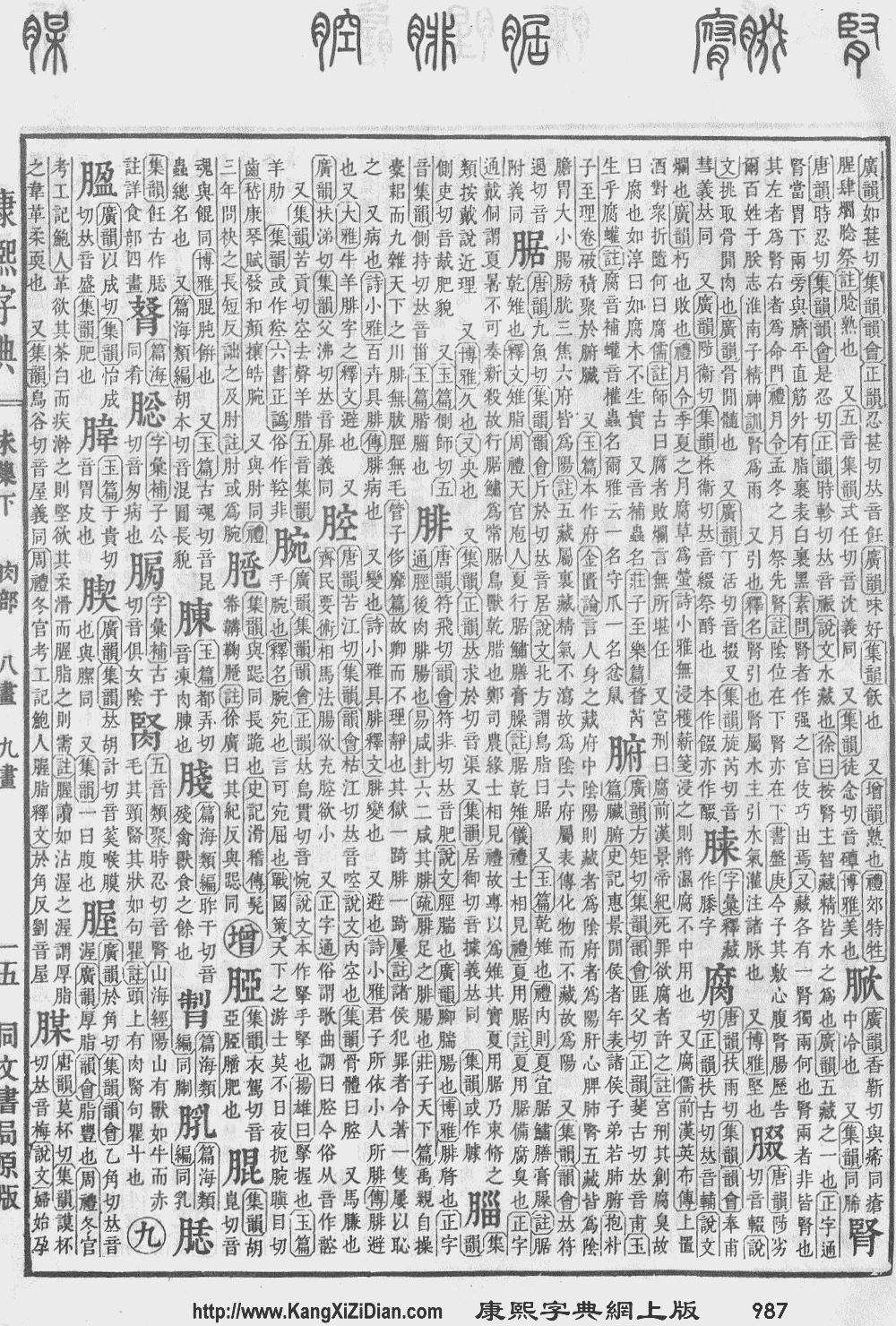
腕 (Kangxi radical 130, 肉+8, 12 strokes, cangjie input 月十弓山 (BJNU), four-corner 73212, composition ⿰月宛)
References
- KangXi: page 987, character 11
- Dai Kanwa Jiten: character 29631
- Dae Jaweon: page 1440, character 1
- Hanyu Da Zidian (first edition): volume 3, page 2092, character 4
- Unihan data for U+8155
Chinese
| trad. | 腕 | |
|---|---|---|
| simp. # | 腕 | |
| alternative forms | 掔 ancient | |
Glyph origin
Characters in the same phonetic series (夗) (Zhengzhang, 2003)
| Old Chinese | |
|---|---|
| 涴 | *qoːls, *qoːn, *qonʔ |
| 埦 | *qoːn |
| 豌 | *qoːn |
| 剜 | *qoːn |
| 眢 | *qoːn, *qon |
| 蜿 | *qoːn, *qon, *qonʔ |
| 帵 | *qoːn |
| 碗 | *qoːnʔ |
| 椀 | *qoːnʔ |
| 盌 | *qoːnʔ |
| 腕 | *qoːns |
| 惋 | *qoːns |
| 捥 | *qoːns |
| 睕 | *qoːns, *qonʔ, *qoːd |
| 琬 | *qoːns, *qonʔ |
| 鴛 | *quːn, *qon |
| 鵷 | *qon |
| 惌 | *qon, *qonʔ |
| 宛 | *qon, *qonʔ |
| 怨 | *qon, *qons |
| 葾 | *qon |
| 夗 | *qonʔ |
| 婉 | *qonʔ |
| 菀 | *qonʔ, *qud |
| 苑 | *qonʔ, *qons |
| 踠 | *qonʔ |
| 畹 | *qonʔ, *qons |
| 倇 | *qonʔ |
| 晼 | *qonʔ |
| 黦 | *qod, *qod, *qud |
| 焥 | *qoːd |
Phono-semantic compound (形聲, OC *qoːns) : semantic ⺼ (“meat, body part”) + phonetic 宛 (OC *qon, *qonʔ) – a part of the body.
Pronunciation
Japanese
Etymology 1
| Kanji in this term |
|---|
| 腕 |
| うで Grade: S |
| kun’yomi |
From Old Japanese, from Proto-Japonic *untay. Cognate with Okinawan 腕 (udi).
Noun
- (anatomy) arm
- 2006 December 9, Sorachi, Hideaki, “第百十九訓 四人揃えばいろんな知恵 [Lesson 119: Four Heads Are Better Than One]”, in 銀魂 [Silver Soul], volume 14 (fiction), Tokyo: Shueisha, →ISBN:
- ……腕がなんで二本あるかしってるか それはな
- ……Ude ga nan de ni-hon aru ka shitteru ka Sore wa na
- ……Do you know why we have two hands? For situations like this
- Hayamaru na yorozuya‼ Kibō o suteru na
- Hang in there, do-it-all guy‼ Don’t give up hope just yet
- ……腕がなんで二本あるかしってるか それはな
-
- ability; skill; talent
Etymology 2
From an original form kapina, reduced first to kaɸina, then kawina, then kaina.
Pronunciation
Korean
Etymology
From Middle Chinese 腕 (MC ʔuɑnH).
| Historical readings |
|---|
|
Pronunciation
- (SK Standard/Seoul) IPA(key): [wa̠(ː)n]
- Phonetic hangul: [완(ː)]
- Though still prescribed in Standard Korean, most speakers in both Koreas no longer distinguish vowel length.
Vietnamese
Han character
腕: Hán Nôm readings: oản, uyển
- This term needs a translation to English. Please help out and add a translation, then remove the text
{{rfdef}}.
This article is issued from Wiktionary. The text is licensed under Creative Commons - Attribution - Sharealike. Additional terms may apply for the media files.