𥨍
| ||||||||
Translingual
Han character
𥨍 (Kangxi radical 116, 穴+12, 17 strokes, composition ⿱穴復)
References
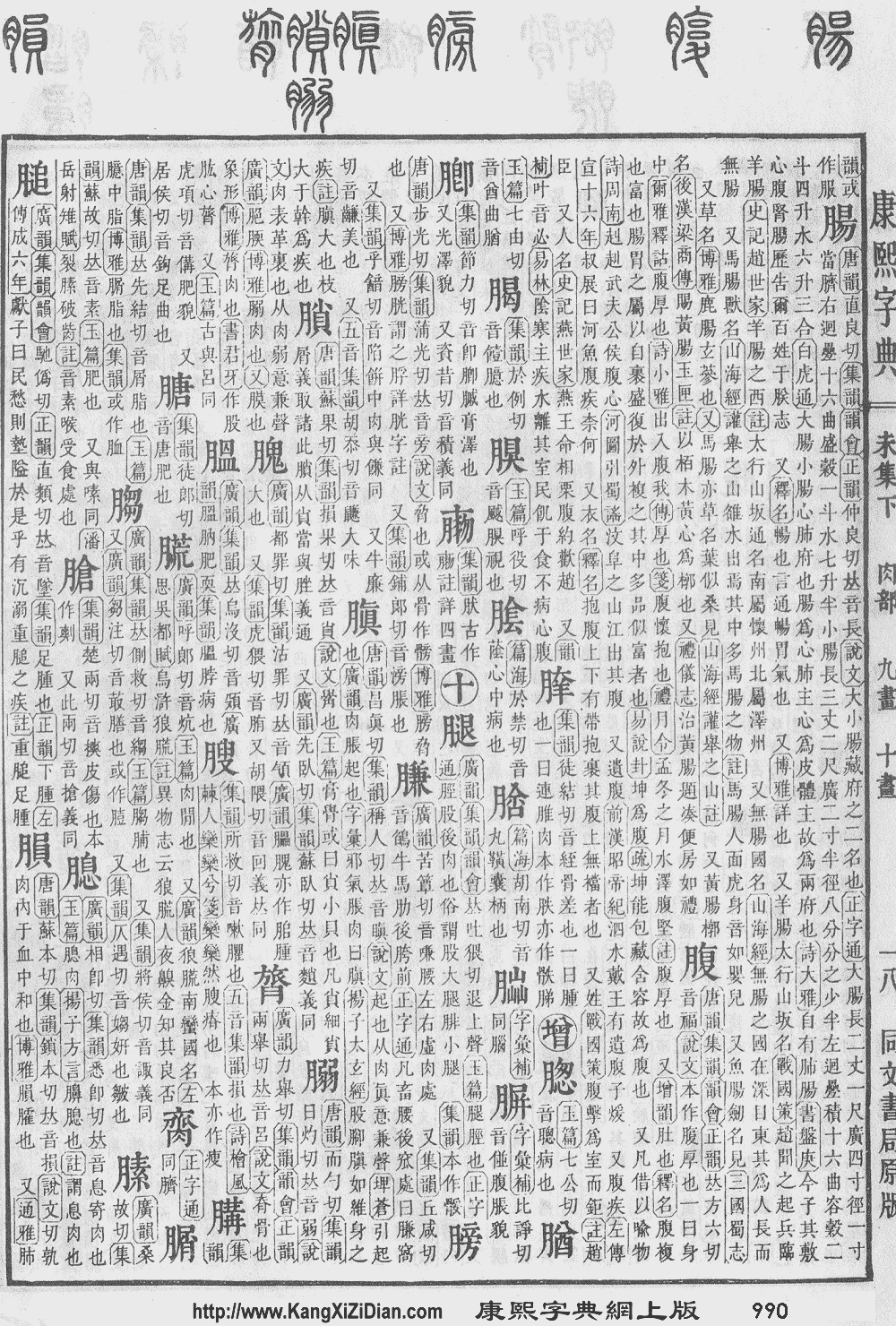
- KangXi: page 990, character 2
- Hanyu Da Zidian (first edition): volume 4, page 2743, character 4
Chinese
| simp. and trad. |
𥨍 | |
|---|---|---|
Glyph origin
Phono-semantic compound (形聲) : semantic 穴 + phonetic 復 (OC *buɡs, *buɡ) – cave.
Etymology
From Proto-Sino-Tibetan *puːk ~ buːk (“cave”). Cognate with 腹 (OC *puɡ, “belly”). See there for more.
Pronunciation
Definitions
𥨍
- cave
- 古公亶父、陶復陶穴、未有家室。 [Classical Chinese, trad.]
- From: The Classic of Poetry, c. 11th – 7th centuries BCE, translated based on James Legge's version
- Gǔ gōng Dǎnfù, táo fù táo xué, wèi yǒu jiāshì. [Pinyin]
- The ancient duke Dan-fu, made for them kiln-like huts and caves, ere they had yet any houses.
古公亶父、陶复陶穴、未有家室。 [Classical Chinese, simp.]
This article is issued from Wiktionary. The text is licensed under Creative Commons - Attribution - Sharealike. Additional terms may apply for the media files.