働
| ||||||||
Translingual
Han character
働 (Kangxi radical 9, 人+11, 13 strokes, cangjie input 人竹土尸 (OHGS), four-corner 24227, composition ⿰亻動)
Further reading
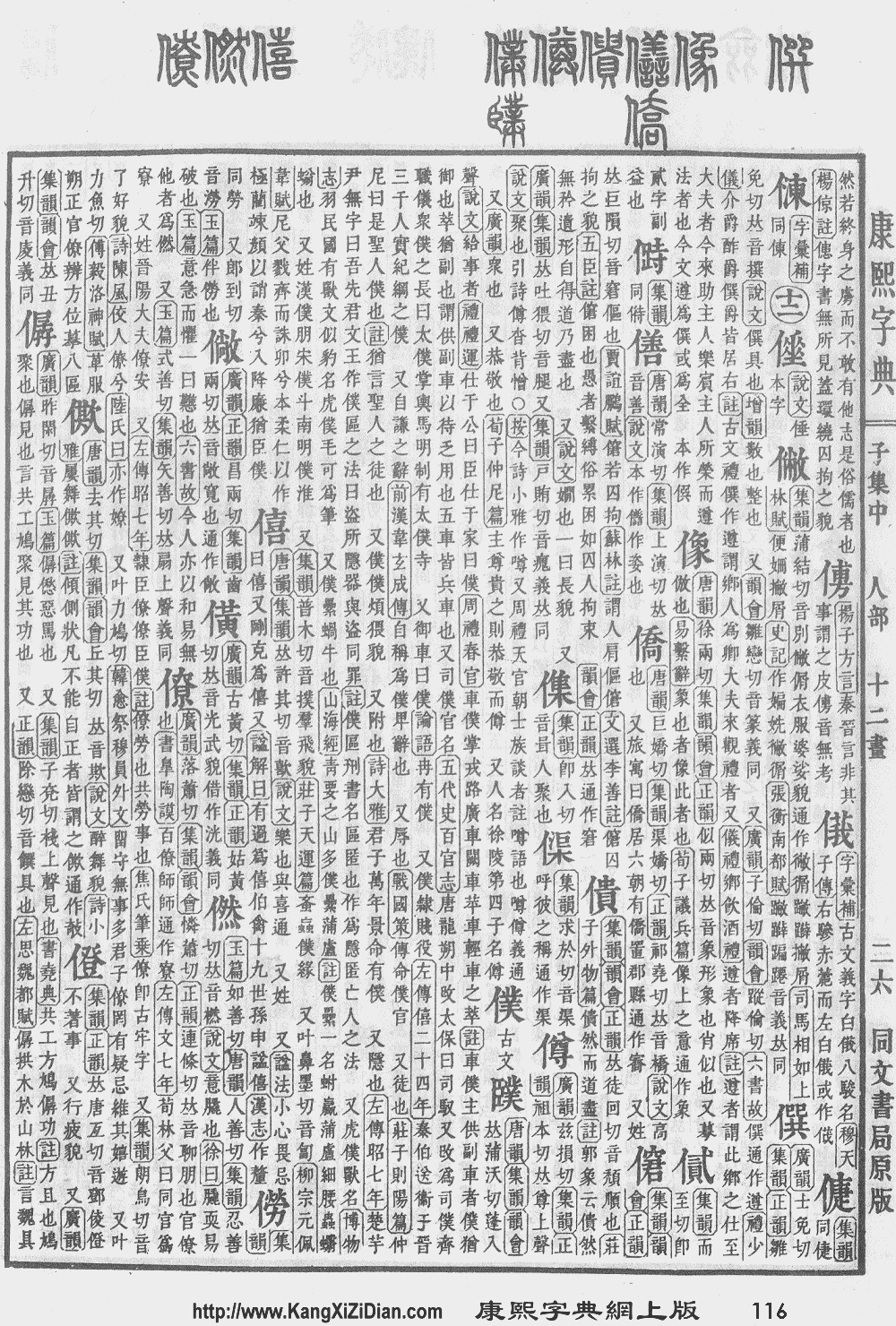
- KangXi: not present, would follow page 116, character 4
- Dai Kanwa Jiten: character 1079
- Dae Jaweon: page 247, character 12
- Hanyu Da Zidian (first edition): not present, would follow volume 1, page 211, character 9
- Unihan data for U+50CD
Chinese
| trad. | 働/動 | |
|---|---|---|
| simp. | 动* | |
Pronunciation
Definitions
働
- (uncommon, dated) Used in borrowings of Japanese words: labor; work
- 日本字。吾國人通讀之若動。訓解不一。政法書所見者均爲勤業勞力之義。經濟學稱勞働爲生產三要素之一。又自働車之働。即拆其字謂乘人自動之意也。 [MSC, trad.]
- From: 1915, 《中華大字典·子集·人部·十一畫》 (Zhonghua Da Zidian)
- Rìběn zì. Wú guó rén tōngdú zhī ruò dòng. Xùn jiě bùyī. Zhèngfǎ shū suǒjiàn zhě jūn wèi qín yè láolì zhī yì. Jīngjìxué chēng láodòng wèi shēngchǎn sān yàosù zhīyī. Yòu zì dòng chē zhī dòng. Jí chāi qí zì wèi chéng rén zìdòng zhī yì yě. [Pinyin]
- (please add an English translation of this example)
日本字。吾国人通读之若动。训解不一。政法书所见者均为勤业劳力之义。经济学称劳动为生产三要素之一。又自动车之动。即拆其字谓乘人自动之意也。 [MSC, simp.]
Usage notes
References
Japanese
This article is issued from Wiktionary. The text is licensed under Creative Commons - Attribution - Sharealike. Additional terms may apply for the media files.