動
| ||||||||
Translingual
Han character
動 (Kangxi radical 19, 力+9, 11 strokes, cangjie input 竹土大尸 (HGKS), four-corner 24127, composition ⿰重力)
References
- KangXi: page 148, character 14
- Dai Kanwa Jiten: character 2390
- Dae Jaweon: page 333, character 24
- Hanyu Da Zidian (first edition): volume 1, page 375, character 6
- Unihan data for U+52D5
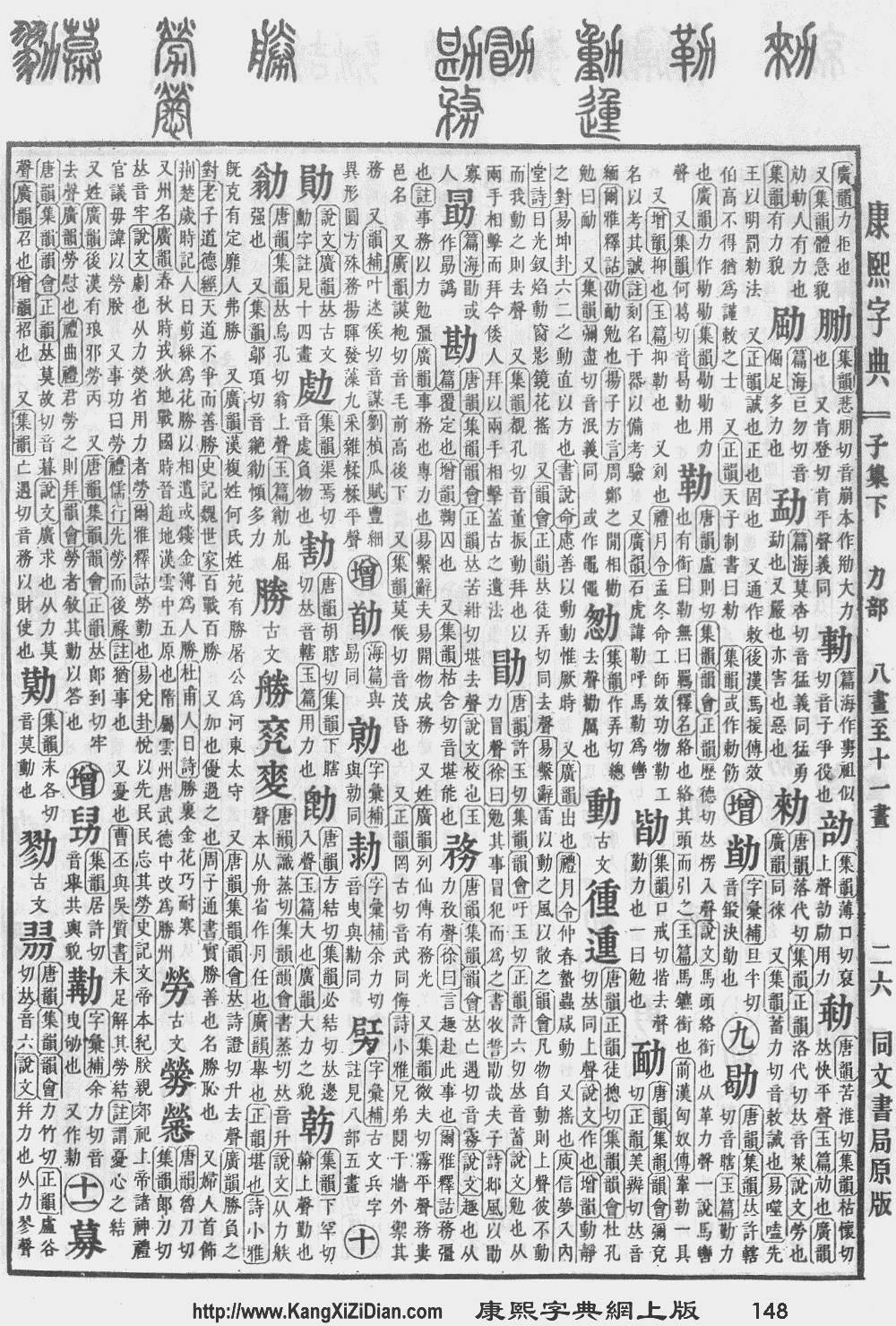
Chinese
| trad. | 動 | |
|---|---|---|
| simp. | 动* | |
| alternative forms | 𨔝 㣫 勭 | |
Glyph origin
| Historical forms of the character 動 | ||||
|---|---|---|---|---|
| Shang | Western Zhou | Warring States | Shuowen Jiezi (compiled in Han) | Liushutong (compiled in Ming) |
| Oracle bone script | Bronze inscriptions | Chu slip and silk script | Small seal script | Transcribed ancient scripts |
 |
 |
 |
 |
 |
Characters in the same phonetic series (重) (Zhengzhang, 2003)
| Old Chinese | |
|---|---|
| 撞 | *rdoːŋ, *rdoːŋs |
| 幢 | *rdoːŋ, *rdoːŋs |
| 橦 | *rdoːŋ, *doːŋ, *tjoŋ |
| 噇 | *rdoːŋ |
| 𩪘 | *rdoːŋ |
| 艟 | *rdoːŋs, *tʰjoŋ |
| 憧 | *rdoːŋs, *tʰjoŋ |
| 畽 | *tʰoːnʔ, *tʰuːnʔ |
| 董 | *toːŋʔ |
| 蕫 | *toːŋʔ, *doːŋ |
| 箽 | *toːŋʔ |
| 懂 | *toːŋʔ |
| 湩 | *toːŋs, *tuːŋʔ, *toŋs |
| 曈 | *tʰoːŋ, *tʰoːŋʔ, *doːŋ |
| 童 | *doːŋ |
| 僮 | *doːŋ |
| 瞳 | *doːŋ |
| 罿 | *doːŋ, *tʰjoŋ |
| 犝 | *doːŋ |
| 潼 | *doːŋ, *tʰjoŋ |
| 穜 | *doːŋ, *doŋ |
| 動 | *doːŋʔ |
| 慟 | *doːŋs |
| 堹 | *toŋs |
| 諥 | *toŋs |
| 蹱 | *tʰoŋ, *tʰoŋs, *tjoŋ |
| 重 | *doŋ, *doŋʔ, *doŋs |
| 緟 | *doŋ, *doŋs |
| 蝩 | *doŋ |
| 褈 | *doŋ, *tʰjoŋ |
| 鐘 | *tjoŋ, *tjoŋ |
| 鍾 | *tjoŋ |
| 籦 | *tjoŋ |
| 種 | *tjoŋʔ, *tjoŋs |
| 腫 | *tjoŋʔ |
| 踵 | *tjoŋʔ |
| 歱 | *tjoŋʔ |
| 喠 | *tjoŋʔ, *tʰjoŋʔ |
| 偅 | *tjoŋs |
| 衝 | *tʰjoŋ |
| 揰 | *tʰjoŋs |
| 尰 | *djoŋʔ |
Phono-semantic compound (形聲, OC *doːŋʔ) : phonetic 重 (OC *doŋ, *doŋʔ, *doŋs) + semantic 力 (“strength”).
Pronunciation
Definitions
動
- (transitive or intransitive) to move
- 坐著不動/坐着不动 ― zuò zhe bù dòng ― to sit still and not move
- 動來動去/动来动去 ― dòng lái dòng qù ― to move around
- 誰動過我的電腦?/谁动过我的电脑? ― Shéi dòng guò wǒ de diànnǎo? ― Who used my computer?
- 五月斯螽動股,六月莎雞振羽。 [Pre-Classical Chinese, trad.]
- From: The Classic of Poetry, c. 11th – 7th centuries BCE, translated based on James Legge's version
- Wǔyuè sīzhōng dòng gǔ, liùyuè shājī zhènyǔ. [Pinyin]
- In the fifth month, the locust moves its legs;
In the sixth month, the spinner sounds its wings.
五月斯螽动股,六月莎鸡振羽。 [Pre-Classical Chinese, simp.]
- to act
- 為民父母,使民盻盻然,將終歲勤動,不得以養父母。 [Classical Chinese, trad.]
- From: Mencius, c. 4th century BCE
- Wéi mín fùmǔ, shǐ mín xìxì rán, jiāng zhōngsuì qíndòng, bù dé yǐ yǎng fùmǔ. [Pinyin]
- When the parent of the people causes the people to wear looks of distress, and, after the whole year's toil, yet not to be able to nourish their parents[...]
为民父母,使民盻盻然,将终岁勤动,不得以养父母。 [Classical Chinese, simp.]- 農村各類互助合作組織和各階層群眾,已經程度不同地普遍地動起來了。 [MSC, trad.]
- From: 1955, 毛澤東 (Mao Zedong), 《關於農業合作化問題》 (On the co-operative transformation of agriculture), 《毛澤東選集》. English translation based on the Foreign Languages Press edition
- Nóngcūn gè lèi hùzhù hézuò zǔzhī hé gè jiēcéng qúnzhòng, yǐjīng chéngdù bùtóng dì pǔbiàn dì dòng qǐlái le. [Pinyin]
- With the rise and spread of rural co-operation, mutual-aid and co-operative organizations of various types and the people of various strata in the rural areas are all on the move to a greater or lesser degree.
农村各类互助合作组织和各阶层群众,已经程度不同地普遍地动起来了。 [MSC, simp.]
- to alter; to change the state of
- 十三大政治報告是經過黨的代表大會通過的,一個字都不能動。 [MSC, trad.]
- From: 李颖 (5 October 2012), “邓小平:十三大政治报告,“一个字都不能动””, in 记者观察, issue 10, →ISSN, page 64
- Shísān dà zhèngzhì bàogào shì jīngguò dǎng de dàibiǎo dàhuì tōngguò de, yī ge zì dōu bùnéng dòng. [Pinyin]
- (please add an English translation of this example)
十三大政治报告是经过党的代表大会通过的,一个字都不能动。 [MSC, simp.]
- to use
- to move; to touch (emotionally)
- (dialectal, chiefly in the negative) to eat; to drink
- (literary) easily; always
- (grammar) Short for 動詞/动词 (dòngcí, “verb”).
Compounds
Derived terms from 動
|
|
|
Descendants
Japanese
Readings
Compounds
References
- “動” in: 諸橋轍次 (Morohashi Tetsuji), chief ed. 大漢和辞典 (Dai Kan-Wa Jiten, “Comprehensive Chinese–Japanese Dictionary”). 13 vols. 1955–1960. Revised and enlarged ed. 1984–1986. Tokyo: Taishukan.
Vietnamese
This article is issued from Wiktionary. The text is licensed under Creative Commons - Attribution - Sharealike. Additional terms may apply for the media files.