搏
| ||||||||
Translingual
Han character
搏 (Kangxi radical 64, 手+10, 13 strokes, cangjie input 手戈月戈 (QIBI), four-corner 53042, composition ⿰扌尃)
Derived characters
- 𥴮
References
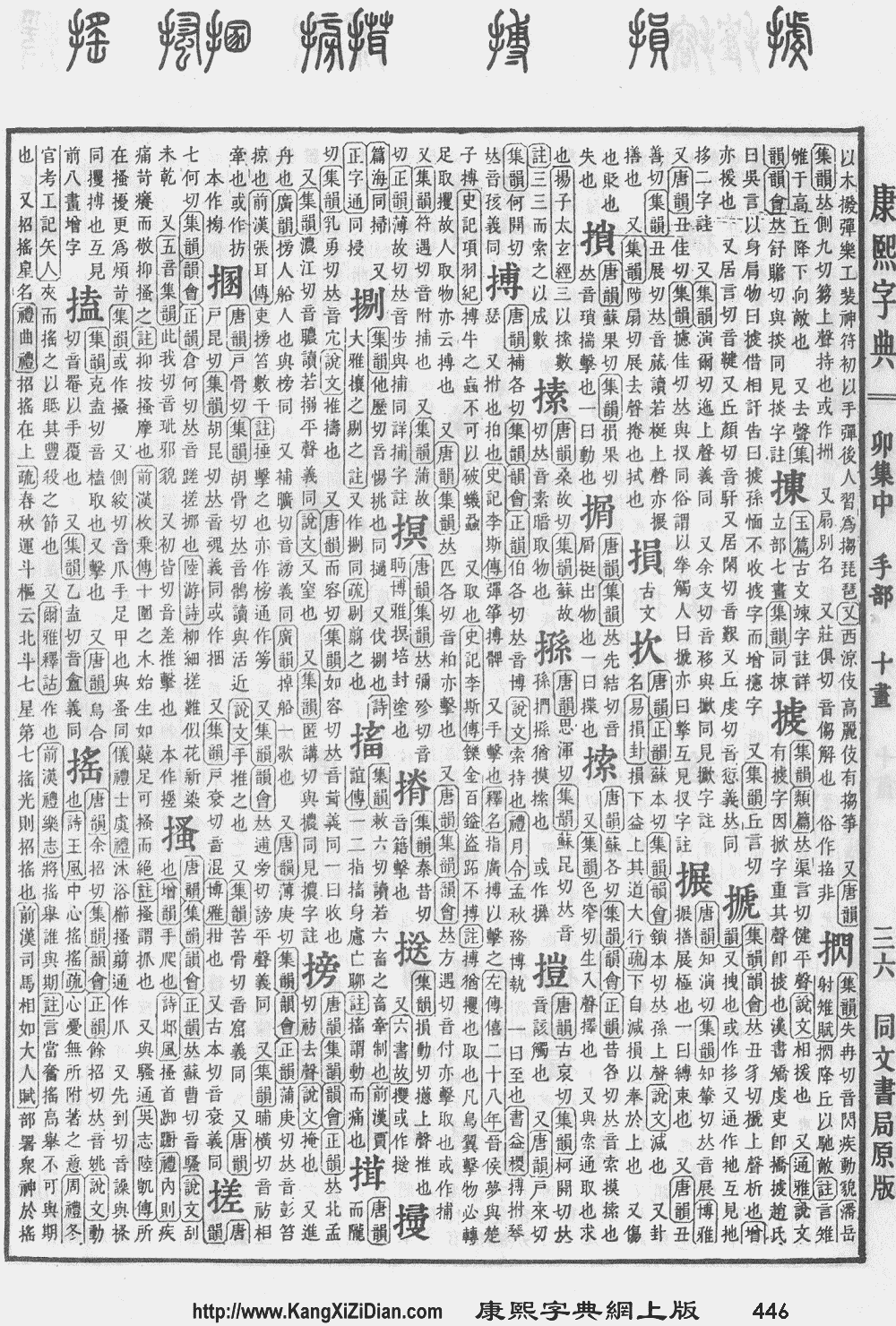
- KangXi: page 446, character 14
- Dai Kanwa Jiten: character 12466
- Dae Jaweon: page 796, character 34
- Hanyu Da Zidian (first edition): volume 3, page 1930, character 1
- Unihan data for U+640F
Chinese
| trad. | 搏 | |
|---|---|---|
| simp. # | 搏 | |
Glyph origin
Characters in the same phonetic series (甫) (Zhengzhang, 2003)
| Old Chinese | |
|---|---|
| 豧 | *pʰoːs, *pʰa, *pʰas |
| 縛 | *baːɡs, *baɡ |
| 逋 | *paː |
| 餔 | *paː, *baːs |
| 晡 | *paː |
| 庯 | *paː |
| 陠 | *paː, *pʰaː |
| 鵏 | *paː, *baːs |
| 峬 | *paː |
| 誧 | *paː, *pʰaː, *pʰaːʔ, *pʰaːs |
| 秿 | *paː, *pʰa, *baʔ |
| 鯆 | *paː, *pʰaː, *paʔ |
| 補 | *paːʔ |
| 圃 | *paːʔ, *paːs |
| 鋪 | *pʰaː, *pʰaːs, *pʰa |
| 痡 | *pʰaː, *pʰa |
| 浦 | *pʰaːʔ |
| 烳 | *pʰaːʔ |
| 溥 | *pʰaːʔ, *paːɡ |
| 悑 | *pʰaːs |
| 酺 | *baː |
| 匍 | *baː |
| 蜅 | *baː, *paʔ |
| 脯 | *baː, *paʔ |
| 葡 | *baː |
| 蒱 | *baː |
| 蒲 | *baː |
| 簿 | *baːʔ, *baːɡ |
| 捕 | *baːs |
| 哺 | *baːs |
| 簠 | *pa, *paʔ, *pʰas |
| 甫 | *paʔ |
| 黼 | *paʔ |
| 莆 | *paʔ |
| 俌 | *paʔ, *pʰaʔ |
| 郙 | *paʔ, *pʰa |
| 傅 | *paɡs |
| 搏 | *paɡs, *paːɡ, *pʰaːɡ |
| 麱 | *pʰa |
| 尃 | *pʰa |
| 榑 | *ba |
| 輔 | *baʔ |
| 鬴 | *baʔ |
| 賻 | *baɡs |
| 博 | *paːɡ |
| 髆 | *paːɡ |
| 鎛 | *paːɡ |
| 猼 | *paːɡ |
| 餺 | *paːɡ |
| 簙 | *paːɡ |
| 鑮 | *paːɡ, *baːɡ |
| 欂 | *paːɡ, *baɡ, *breːɡ |
| 蒪 | *pʰaːɡ |
| 膊 | *pʰaːɡ |
| 薄 | *baːɡ |
| 礡 | *baːɡ |
Phono-semantic compound (形聲, OC *paɡs, *paːɡ, *pʰaːɡ) : semantic 手 (“hand”) + phonetic 尃 (OC *pʰa).
Pronunciation
Definitions
搏
Synonyms
Synonyms of 搏
- (to arrest):
Synonyms of 搏
Japanese
Korean
Vietnamese
This article is issued from Wiktionary. The text is licensed under Creative Commons - Attribution - Sharealike. Additional terms may apply for the media files.