搒
See also: 榜
| ||||||||
Translingual
Han character
搒 (Kangxi radical 64, 手+10, 13 strokes, cangjie input 手卜月尸 (QYBS), four-corner 50027, composition ⿰扌旁)
References
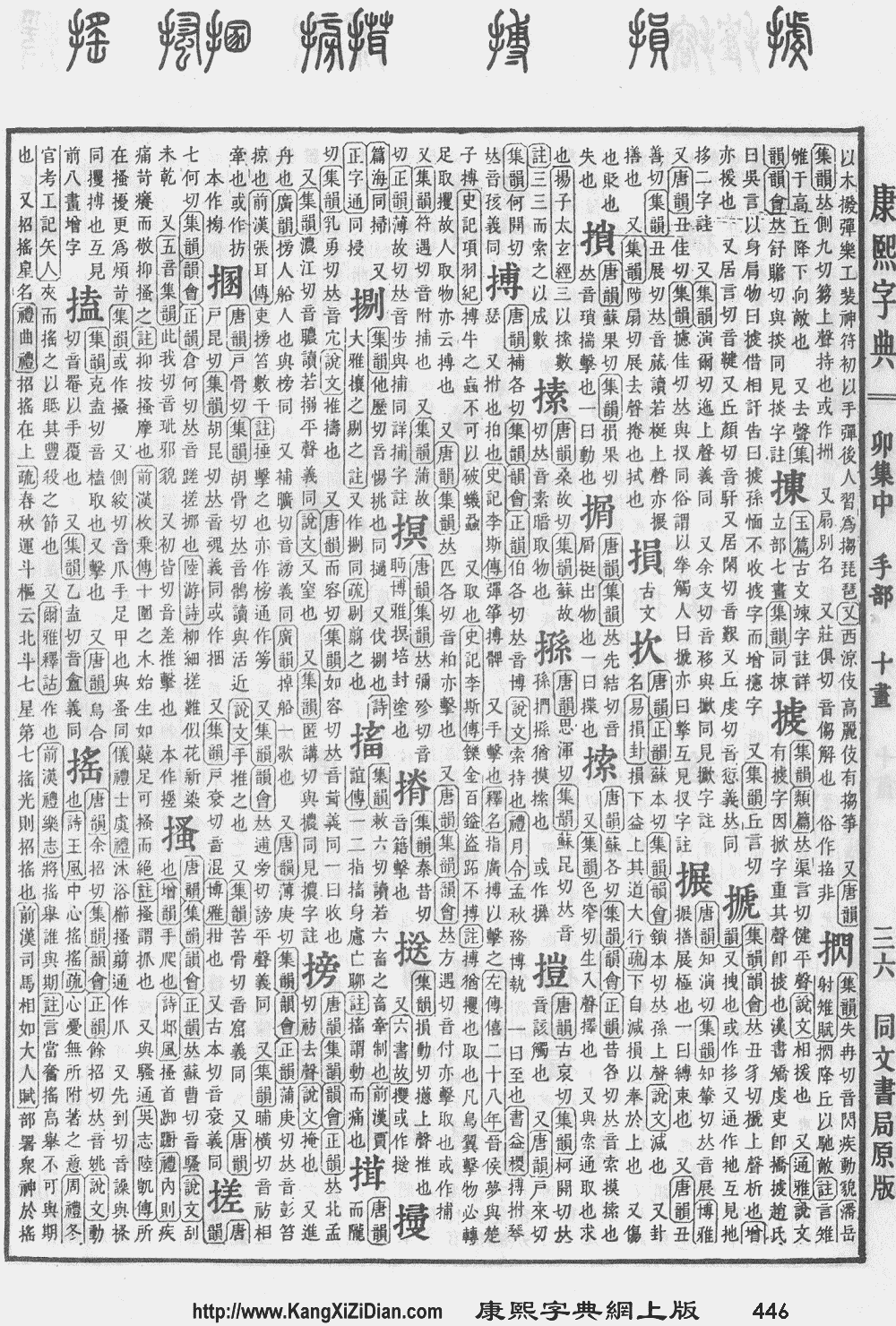
- KangXi: page 446, character 22
- Dai Kanwa Jiten: character 12474
- Dae Jaweon: page 797, character 6
- Hanyu Da Zidian (first edition): volume 3, page 1936, character 3
- Unihan data for U+6412
Chinese
| simp. and trad. |
搒 | |
|---|---|---|
Glyph origin
Characters in the same phonetic series (方) (Zhengzhang, 2003)
| Old Chinese | |
|---|---|
| 縍 | *paːŋ |
| 榜 | *paːŋʔ, *praːŋs, *braːŋ |
| 蒡 | *paːŋʔ, *braːŋ |
| 牓 | *paːŋʔ |
| 螃 | *paːŋʔ, *paːŋs, *baːŋ |
| 搒 | *paːŋs, *braːŋ |
| 舫 | *paːŋs, *paŋs |
| 謗 | *paːŋs |
| 雱 | *pʰaːŋ |
| 磅 | *pʰaːŋ, *pʰraːŋ |
| 霶 | *pʰaːŋ |
| 滂 | *pʰaːŋ |
| 鎊 | *pʰaːŋ |
| 髈 | *pʰaːŋʔ, *baːŋ |
| 彷 | *baːŋ, *pʰaŋʔ |
| 趽 | *baːŋ, *paŋ, *paŋs |
| 房 | *baːŋ, *baŋ |
| 篣 | *baːŋ, *braːŋ |
| 騯 | *baːŋ, *praːŋ, *braːŋ |
| 傍 | *baːŋ, *baːŋs |
| 膀 | *baːŋ |
| 旁 | *baːŋ |
| 徬 | *baːŋs |
| 閍 | *praːŋ |
| 祊 | *praːŋ |
| 嗙 | *praːŋ |
| 方 | *paŋ, *baŋ |
| 汸 | *paŋ |
| 坊 | *paŋ, *baŋ |
| 邡 | *paŋ, *pʰaŋs |
| 枋 | *paŋ |
| 鈁 | *paŋ |
| 蚄 | *paŋ |
| 肪 | *paŋ, *baŋ |
| 鴋 | *paŋ, *baŋ |
| 牥 | *paŋ |
| 昉 | *paŋʔ |
| 瓬 | *paŋʔ |
| 放 | *paŋʔ, *paŋs |
| 倣 | *paŋʔ |
| 芳 | *pʰaŋ |
| 淓 | *pʰaŋ |
| 妨 | *pʰaŋ, *pʰaŋs |
| 紡 | *pʰaŋʔ |
| 仿 | *pʰaŋʔ |
| 髣 | *pʰaŋʔ |
| 鶭 | *pʰaŋʔ |
| 訪 | *pʰaŋs |
| 防 | *baŋ, *baŋs |
| 魴 | *baŋ |
Pronunciation 1
Pronunciation 2
Pronunciation 3
Pronunciation 4
References
- “搒”, in 漢語多功能字庫 (Multi-function Chinese Character Database), 香港中文大學 (the Chinese University of Hong Kong), 2014–
Japanese
Vietnamese
Han character
搒: Hán Nôm readings: báng, bảng
- This term needs a translation to English. Please help out and add a translation, then remove the text
{{rfdef}}.
References
This article is issued from Wiktionary. The text is licensed under Creative Commons - Attribution - Sharealike. Additional terms may apply for the media files.