擀
See also: 扞
| ||||||||
Translingual
Han character
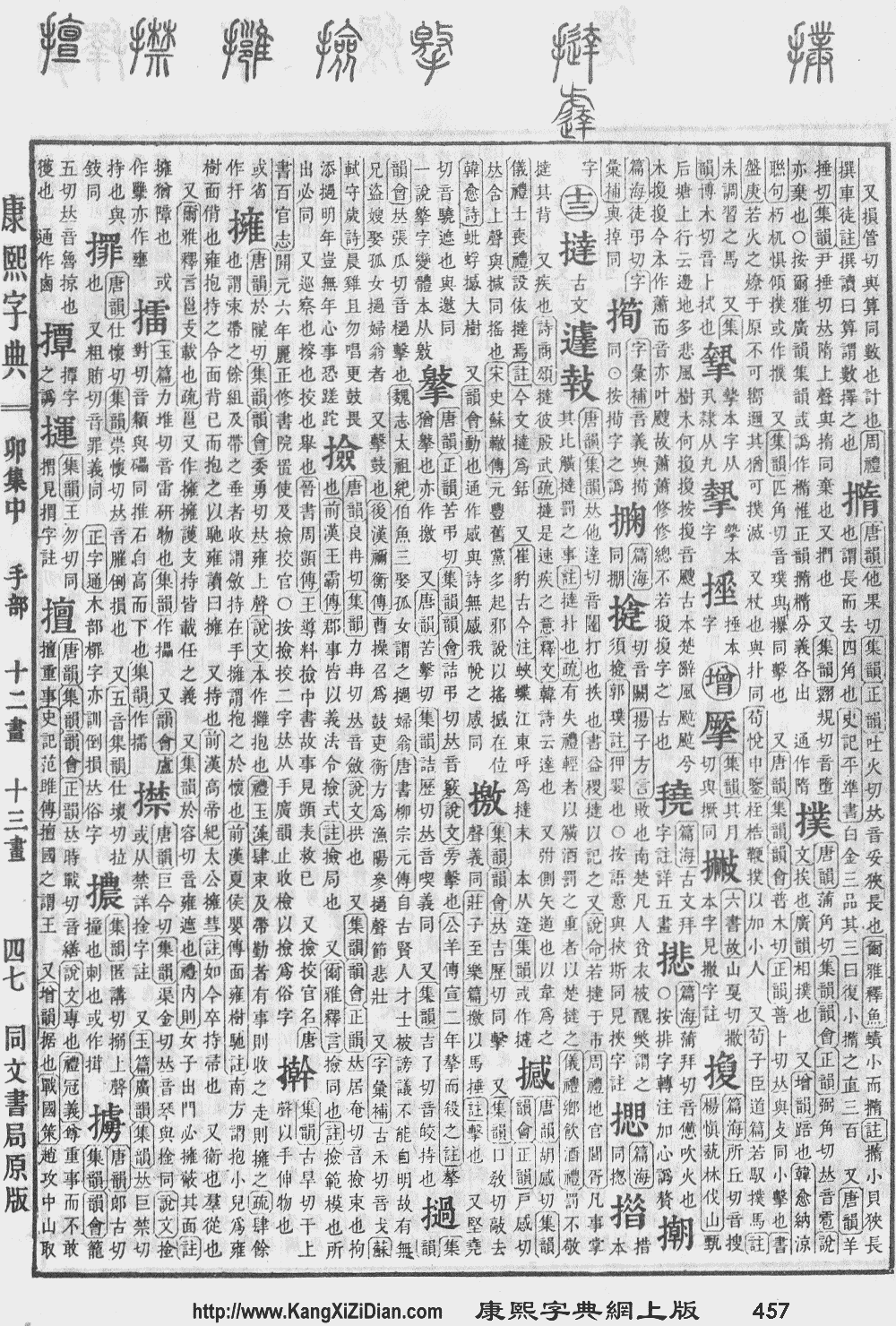
擀 (Kangxi radical 64, 手+13, 16 strokes, cangjie input 手十十十 (QJJJ) or X手十十十 (XQJJJ), composition ⿰扌幹)
References
- KangXi: page 457, character 25
- Dai Kanwa Jiten: character 12780
- Dae Jaweon: page 806, character 8
- Hanyu Da Zidian (first edition): volume 3, page 1967, character 1
- Unihan data for U+64C0
Chinese
| simp. and trad. |
擀 | |
|---|---|---|
| 2nd round simp. | 赶 | |
| alternative forms | 扞 | |
Glyph origin
Characters in the same phonetic series (干) (Zhengzhang, 2003)
| Old Chinese | |
|---|---|
| 訐 | *krads, *krads, *ked, *kad |
| 肝 | *kaːn |
| 竿 | *kaːn |
| 干 | *kaːn |
| 奸 | *kaːn |
| 玕 | *kaːn |
| 汗 | *kaːn, *ɡaːn, *ɡaːns |
| 迀 | *kaːn |
| 忓 | *kaːn, *ɡaːns |
| 鳱 | *kaːn |
| 邗 | *kaːn, *ɡaːn |
| 秆 | *kaːnʔ |
| 矸 | *kaːnʔ, *kaːns, *ɡaːns |
| 仠 | *kaːnʔ |
| 皯 | *kaːnʔ |
| 衦 | *kaːnʔ |
| 簳 | *kaːnʔ |
| 擀 | *kaːnʔ |
| 旰 | *kaːns |
| 盰 | *kaːns |
| 幹 | *kaːns |
| 杆 | *kaːns |
| 骭 | *kaːns, *ɡraːns |
| 桿 | *kaːnʔ |
| 趕 | *kaːnʔ |
| 稈 | *kaːnʔ |
| 刊 | *kʰaːn |
| 靬 | *kʰaːn, *kʰaːns, *kreːn, *kan |
| 衎 | *kʰaːnʔ, *kʰaːns |
| 犴 | *ŋaːn, *ŋaːns |
| 豻 | *ŋaːn, *ŋaːns, *ɦŋaːns, *ŋ̊ʰraːn |
| 頇 | *ŋaːns, *hŋaːn, *ŋaːd |
| 岸 | *ŋɡaːns |
| 鼾 | *qʰaːn, *ɢaːns |
| 罕 | *qʰaːnʔ, *qʰaːns |
| 焊 | *qʰaːnʔ, *ɡaːns |
| 蔊 | *qʰaːnʔ |
| 虷 | *ɡaːn |
| 旱 | *ɡaːnʔ |
| 皔 | *ɡaːnʔ |
| 釬 | *ɡaːns |
| 扞 | *ɡaːns |
| 閈 | *ɡaːns |
| 馯 | *ɡaːns, *kʰraːn |
| 捍 | *ɡaːns, *ɡraːnʔ |
| 悍 | *ɡaːns |
| 銲 | *ɡaːns |
| 垾 | *ɡaːns |
| 駻 | *ɡaːns |
| 睅 | *ɡʷranʔ |
| 娨 | *ɡraːns |
| 飦 | *kan |
| 赶 | *ɡan, *ɡʷad |
| 軒 | *qʰan |
| 蓒 | *qʰan |
| 酐 | *qʰaːŋʔ |
| 澣 | *ɡʷaːnʔ |
Phono-semantic compound (形聲, OC *kaːnʔ) : semantic 手 (“hand”) + phonetic 幹 (OC *kaːns).
Etymology
(This etymology is missing or incomplete. Please add to it, or discuss it at the Etymology scriptorium.)
Pronunciation
Vietnamese
This article is issued from Wiktionary. The text is licensed under Creative Commons - Attribution - Sharealike. Additional terms may apply for the media files.