攻
| ||||||||
Translingual
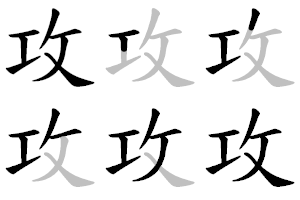
| Stroke order | |||
|---|---|---|---|
 | |||
Han character
攻 (Kangxi radical 66, 攴+3, 7 strokes, cangjie input 一人大 (MOK), four-corner 18140, composition ⿰工攵)
References
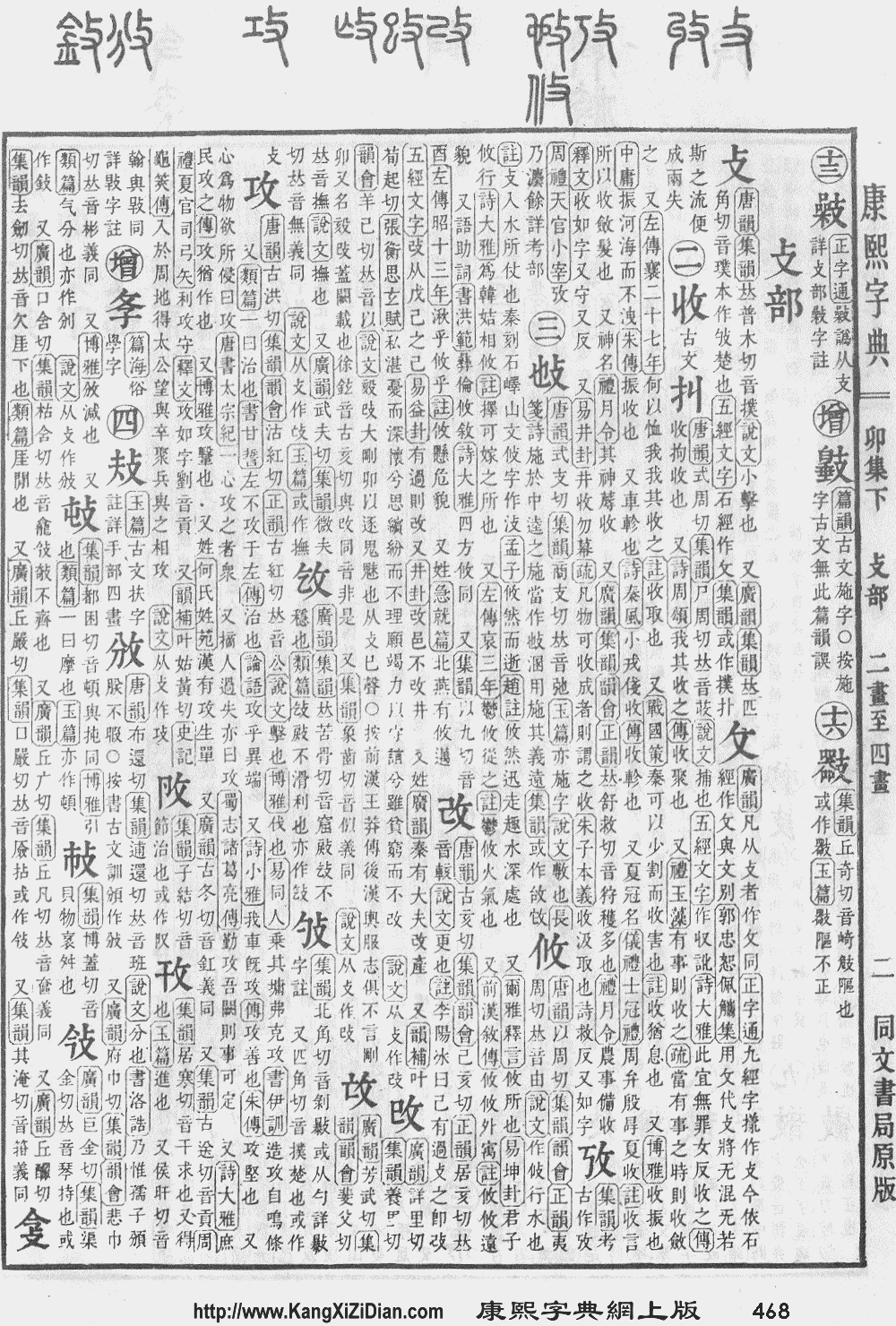
- KangXi: page 468, character 16
- Dai Kanwa Jiten: character 13120
- Dae Jaweon: page 817, character 5
- Hanyu Da Zidian (first edition): volume 2, page 1449, character 6
- Unihan data for U+653B
Chinese
| simp. and trad. |
攻 | |
|---|---|---|
Glyph origin
Characters in the same phonetic series (工) (Zhengzhang, 2003)
| Old Chinese | |
|---|---|
| 缸 | *kroːŋ, *ɡroːŋ |
| 篢 | *kluːmʔ, *koːŋ |
| 贑 | *kluːmʔ |
| 涳 | *ŋr'oːŋ, *kʰroːŋ, *kʰoːŋ |
| 江 | *kroːŋ |
| 肛 | *kroːŋ, *qʰroːŋ |
| 扛 | *kroːŋ |
| 杠 | *kroːŋ |
| 豇 | *kroːŋ |
| 茳 | *kroːŋ |
| 釭 | *kroːŋ, *koːŋ, *kuːŋ |
| 矼 | *kroːŋ |
| 玒 | *kroːŋ, *koːŋ |
| 虹 | *kroːŋs, *koːŋs, *ɡoːŋ |
| 腔 | *kʰroːŋ |
| 崆 | *kʰroːŋ, *kʰoːŋ |
| 羫 | *kʰroːŋ |
| 控 | *kʰroːŋ, *kʰoːŋs |
| 椌 | *kʰroːŋ, *kʰoːŋ |
| 悾 | *kʰroːŋ, *kʰoːŋ, *kʰoːŋs |
| 跫 | *kʰroːŋ, *kʰoŋ, *ɡoŋ |
| 啌 | *qʰroːŋ |
| 谾 | *qʰroːŋ, *qʰoːŋ |
| 舡 | *qʰroːŋ |
| 缻 | *ɡroːŋ |
| 項 | *ɡroːŋʔ |
| 屸 | *ɡ·roːŋ |
| 功 | *koːŋ |
| 工 | *koːŋ |
| 疘 | *koːŋ |
| 魟 | *koːŋ, *qʰoːŋ, *ɡoːŋ |
| 攻 | *koːŋ, *kuːŋ |
| 愩 | *koːŋ |
| 碽 | *koːŋ |
| 貢 | *koːŋs |
| 羾 | *koːŋs |
| 空 | *kʰoːŋ, *kʰoːŋs |
| 箜 | *kʰoːŋ |
| 硿 | *kʰoːŋ |
| 埪 | *kʰoːŋ |
| 鵼 | *kʰoːŋ |
| 倥 | *kʰoːŋ, *kʰoːŋʔ, *kʰoːŋs |
| 鞚 | *kʰoːŋs |
| 叿 | *qʰoːŋ |
| 嗊 | *qʰoːŋʔ |
| 訌 | *ɡoːŋ |
| 紅 | *ɡoːŋ |
| 仜 | *ɡoːŋ |
| 葒 | *ɡoːŋ |
| 渱 | *ɡoːŋ |
| 鴻 | *ɡoːŋ, *ɡoːŋʔ |
| 汞 | *ɡoːŋʔ |
| 澒 | *ɡoːŋʔ |
| 鞏 | *koŋʔ |
| 巩 | *koŋʔ |
| 銎 | *kʰoŋ, *qʰoŋ |
| 恐 | *kʰoŋʔ, *kʰoŋs |
| 蛩 | *ɡoŋ |
| 筇 | *ɡoŋ |
| 桏 | *ɡoŋ |
| 邛 | *ɡoŋ |
Phono-semantic compound (形聲, OC *koːŋ, *kuːŋ) : phonetic 工 (OC *koːŋ) + semantic 攵.
Etymology
Cognate with 工 (OC *koːŋ). See there for more.
Pronunciation
Definitions
攻
Compounds
Derived terms from 攻
|
|
|
Japanese
Vietnamese
This article is issued from Wiktionary. The text is licensed under Creative Commons - Attribution - Sharealike. Additional terms may apply for the media files.