逃
See also: 迯
| ||||||||
Translingual
Han character
逃 (Kangxi radical 162, 辵+6, 10 strokes in traditional Chinese and Korean, 9 strokes in mainland China and Japanese, cangjie input 卜中一人 (YLMO), four-corner 33300, composition ⿺辶兆)
References
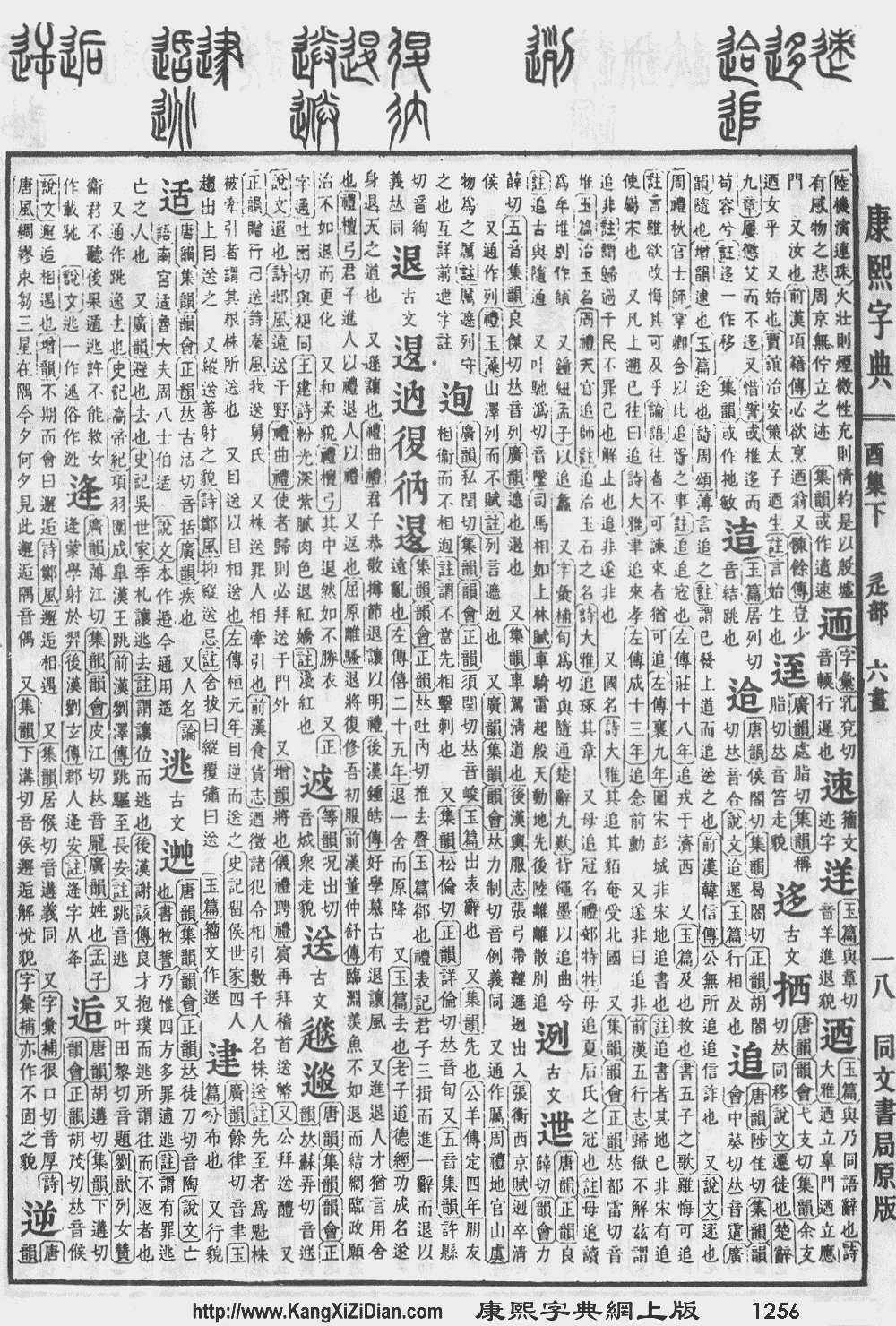
- KangXi: page 1256, character 26
- Dai Kanwa Jiten: character 38845
- Dae Jaweon: page 1741, character 7
- Hanyu Da Zidian (first edition): volume 6, page 3830, character 3
- Unihan data for U+9003
Chinese
| trad. | 逃 | |
|---|---|---|
| simp. # | 逃 | |
| alternative forms | 跳 迯 𨓱 𨓖 𨒯 | |
Glyph origin
| Historical forms of the character 逃 | |||
|---|---|---|---|
| Western Zhou | Warring States | Shuowen Jiezi (compiled in Han) | Liushutong (compiled in Ming) |
| Bronze inscriptions | Chu slip and silk script | Small seal script | Transcribed ancient scripts |
 |
 |
 |
 |
Characters in the same phonetic series (兆) (Zhengzhang, 2003)
| Old Chinese | |
|---|---|
| 挑 | *l̥ʰaːw, *l̥ʰeːw, *l'eːwʔ |
| 洮 | *l̥ʰaːw, *l'aːw, *lew |
| 桃 | *l'aːw |
| 逃 | *l'aːw |
| 咷 | *l'aːw, *l̥ʰeːws |
| 鼗 | *l'aːw |
| 鞉 | *l'aːw |
| 駣 | *l'aːw, *l'aːwʔ, *l'aːws, *l'ewʔ |
| 𣂁 | *sl̥ʰew |
| 脁 | *l̥ʰews |
| 晁 | *l'ew |
| 兆 | *l'ewʔ |
| 旐 | *l'ewʔ |
| 狣 | *l'ewʔ |
| 鮡 | *l'ewʔ, *l'eːw |
| 垗 | *l'ewʔ |
| 姚 | *lew |
| 珧 | *lew |
| 銚 | *lew, *l̥ʰeːw, *l'eːws |
| 恌 | *lew, *l̥ʰeːw |
| 烑 | *lew |
| 餆 | *lew |
| 筄 | *lews |
| 艞 | *lews |
| 佻 | *l̥ʰeːw, *l'eːw |
| 祧 | *l̥ʰeːw |
| 朓 | *l̥ʰeːw, *l̥ʰeːwʔ |
| 庣 | *l̥ʰeːw |
| 趒 | *l̥ʰeːw, *l̥ʰeːws, *l'eːw |
| 聎 | *l̥ʰeːw |
| 眺 | *l̥ʰeːws |
| 覜 | *l̥ʰeːws |
| 頫 | *l̥ʰeːws, *poʔ |
| 絩 | *l̥ʰeːws |
| 跳 | *l̥ʰeːws, *l'eːw |
| 窕 | *l'eːwʔ |
| 誂 | *l'eːwʔ |
Phono-semantic compound (形聲, OC *l'aːw) : semantic 辶 (“walk”) + phonetic 兆 (OC *l'ewʔ).
Pronunciation
Definitions
逃
Synonyms
- (to escape):
- (to evade):
Synonyms of 逃
Compounds
Derived terms from 逃
|
|
Japanese
| Shinjitai | 逃 | |
| Kyūjitai [1] |
逃󠄂 逃+ 󠄂?(Adobe-Japan1) |
 |
| 逃󠄄 逃+ 󠄄?(Hanyo-Denshi) (Moji_Joho) | ||
| The displayed kanji may be different from the image due to your environment. See here for details. | ||
Readings
References
- “逃”, in 漢字ぺディア (Kanjipedia) (in Japanese), 日本漢字能力検定協会, 2015—2023
Korean
Vietnamese
This article is issued from Wiktionary. The text is licensed under Creative Commons - Attribution - Sharealike. Additional terms may apply for the media files.