嚊
| ||||||||
Translingual
Han character
嚊 (Kangxi radical 30, 口+14, 17 strokes, cangjie input 口竹山中 (RHUL), composition ⿰口鼻)
References
- KangXi: page 212, character 2
- Dai Kanwa Jiten: character 4467
- Dae Jaweon: page 434, character 36
- Hanyu Da Zidian (first edition): volume 1, page 696, character 17
- Unihan data for U+568A

Chinese
Glyph origin
Etymology 1
| For pronunciation and definitions of 嚊 – see 嗅 (“to smell; to scent”). (This character, 嚊, is an ancient form of 嗅.) |
Pronunciation
Definitions
嚊
- The sound of breathing.
Etymology 3
| simp. and trad. |
嚊 | |
|---|---|---|
(This etymology is missing or incomplete. Please add to it, or discuss it at the Etymology scriptorium.)
Pronunciation
Etymology 4
| simp. and trad. |
嚊 | |
|---|---|---|
| alternative forms | 𫫢 被 備/备 | |
(This etymology is missing or incomplete. Please add to it, or discuss it at the Etymology scriptorium.)
Pronunciation
Definitions
嚊
- (Cantonese, dated) or
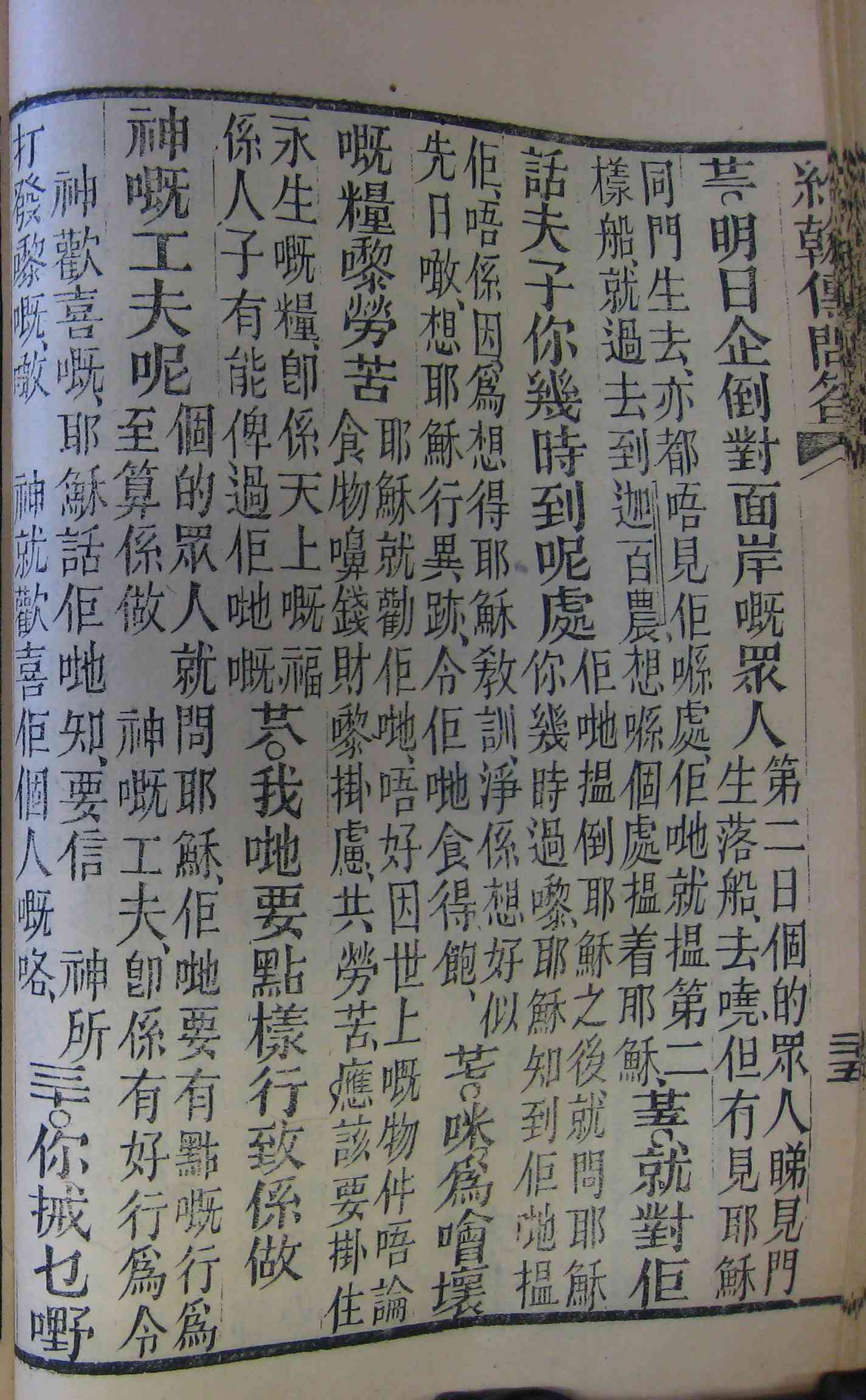
- 耶穌就勸佢哋、唔好因世上嘅物件唔論食物嚊錢財嚟掛慮、共勞苦、應該要掛住永生嘅糧、卽係天上嘅福係人子有能俾過佢哋嘅 [Cantonese, trad.]
- From: 1888, 《約翰傳問答》
- je4 sou1 zau6 hyun3 keoi5 dei6, m4 hou2 jan1 sai3 soeng6 ge3 mat6 gin6-2 m4 leon6 sik6 mat6 be6 cin4 coi4 lai4 gwaa3 leoi6, gung6 lou4 fu2, jing1 goi1 jiu3 gwaa3 zyu6 wing5 sang1 ge3 loeng4, zik1 hai6 tin1 soeng6 ge3 fuk1 hai6 jan4 zi2 jau5 nang4 bei2 gwo3 keoi5 dei6 ge3 [Jyutping]
- Jesus exhorted them not to worry and labour for wordly things, whether it be food or money, but to remember the Bread of Eternal Life; that is, the Son of Man has the power to give them blessings from Heaven
耶稣就劝佢哋、唔好因世上嘅物件唔论食物嚊钱财嚟挂虑、共劳苦、应该要挂住永生嘅粮、即系天上嘅福系人子有能俾过佢哋嘅 [Cantonese, simp.]
Compounds
|
Japanese
Kanji
嚊
- This term needs a translation to English. Please help out and add a translation, then remove the text
{{rfdef}}.
Korean
Hanja
嚊 • (bi) (hangeul 비, revised bi, McCune–Reischauer pi)
- This term needs a translation to English. Please help out and add a translation, then remove the text
{{rfdef}}.
This article is issued from Wiktionary. The text is licensed under Creative Commons - Attribution - Sharealike. Additional terms may apply for the media files.