躋
See also: 跻
| ||||||||
Translingual
Han character
| Traditional | 躋 |
|---|---|
| Shinjitai (extended) |
𨂋 |
| Simplified | 跻 |
躋 (Kangxi radical 157, 足+14, 21 strokes, cangjie input 口一卜X (RMYX), four-corner 60123, composition ⿰𧾷齊)
References
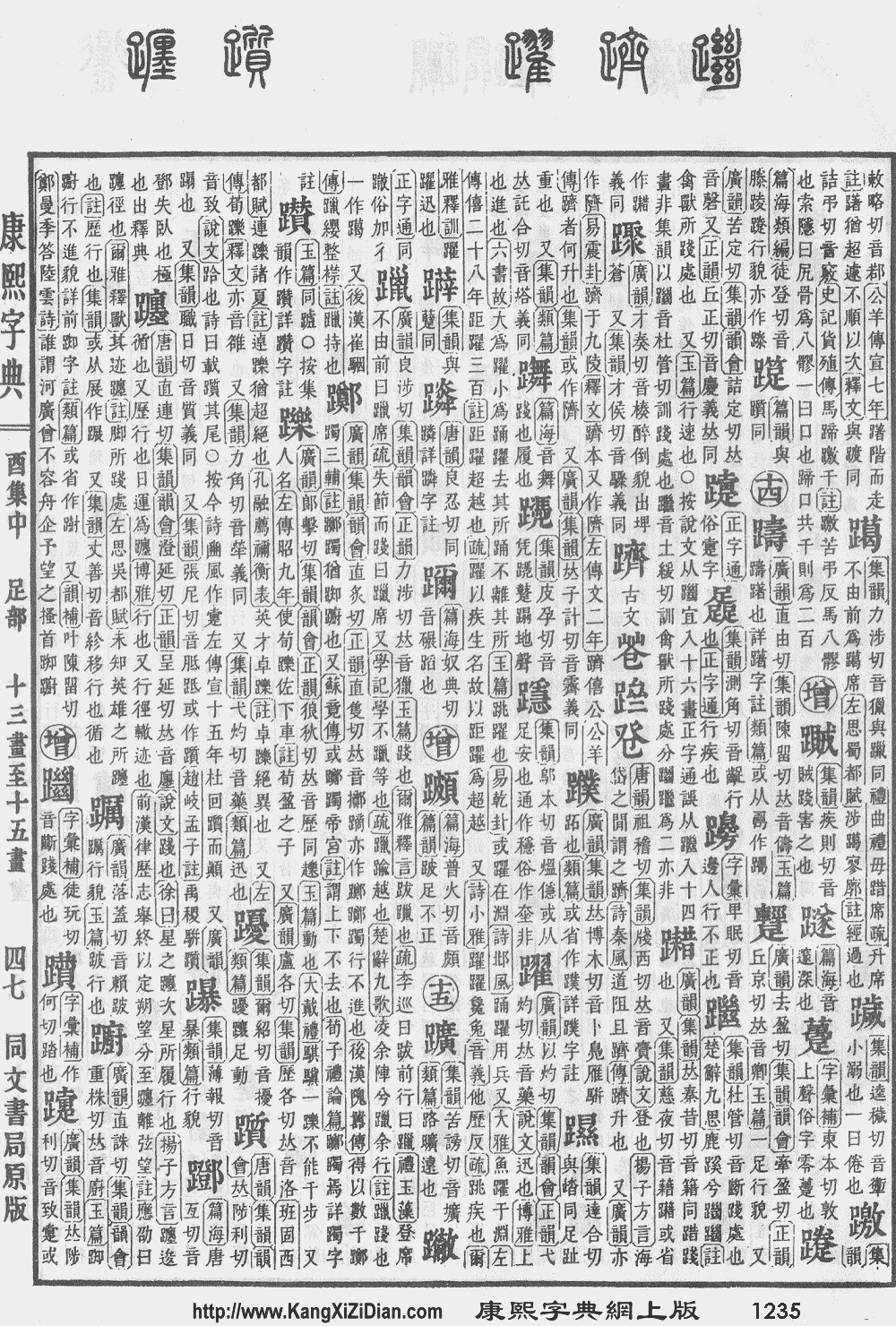
- KangXi: page 1235, character 17
- Dai Kanwa Jiten: character 37949
- Dae Jaweon: page 1707, character 34
- Hanyu Da Zidian (first edition): volume 6, page 3746, character 2
- Unihan data for U+8E8B
Chinese
| trad. | 躋 | |
|---|---|---|
| simp. | 跻 | |
Glyph origin
Characters in the same phonetic series (齊) (Zhengzhang, 2003)
| Old Chinese | |
|---|---|
| 儕 | *zriːl |
| 麡 | *zriːl, *ʔsliːl, *zliːl |
| 齋 | *ʔsriːl |
| 穧 | *ʔsleds, *ʔsliːls, *zliːls |
| 擠 | *ʔsliːl, *ʔsliːls |
| 躋 | *ʔsliːl, *ʔsliːls |
| 齏 | *ʔsliːl |
| 齎 | *ʔsliːl, *ʔslil |
| 櫅 | *ʔsliːl |
| 齌 | *ʔsliːl, *sʰliːl, *zliːls |
| 隮 | *ʔsliːl, *ʔsliːls |
| 賷 | *ʔsliːl |
| 虀 | *ʔsliːl |
| 濟 | *ʔsliːlʔ, *ʔsliːls |
| 癠 | *ʔsliːlʔ, *zliːl, *zliːlʔ, *zliːls |
| 霽 | *ʔsliːls |
| 齊 | *zliːl, *zliːls |
| 臍 | *zliːl |
| 蠐 | *zliːl, *zlil |
| 懠 | *zliːl, *zliːls |
| 薺 | *zliːlʔ, *zlil |
| 鱭 | *zliːlʔ |
| 嚌 | *zliːls |
| 劑 | *zliːls, *ʔslel |
| 齍 | *ʔslil |
Pronunciation
Japanese
| 𨂋 | |
| 躋 |
Kanji
躋
(uncommon “Hyōgai” kanji, kyūjitai kanji, shinjitai form 𨂋)
- This term needs a translation to English. Please help out and add a translation, then remove the text
{{rfdef}}.
Korean
Hanja
躋 (eum 제 (je))
- This term needs a translation to English. Please help out and add a translation, then remove the text
{{rfdef}}.
Vietnamese
This article is issued from Wiktionary. The text is licensed under Creative Commons - Attribution - Sharealike. Additional terms may apply for the media files.