鯝
See also: 鲴
| ||||||||
Translingual
Han character
鯝 (Kangxi radical 195, 魚+8, 19 strokes, cangjie input 弓火田十口 (NFWJR), composition ⿰魚固)
References
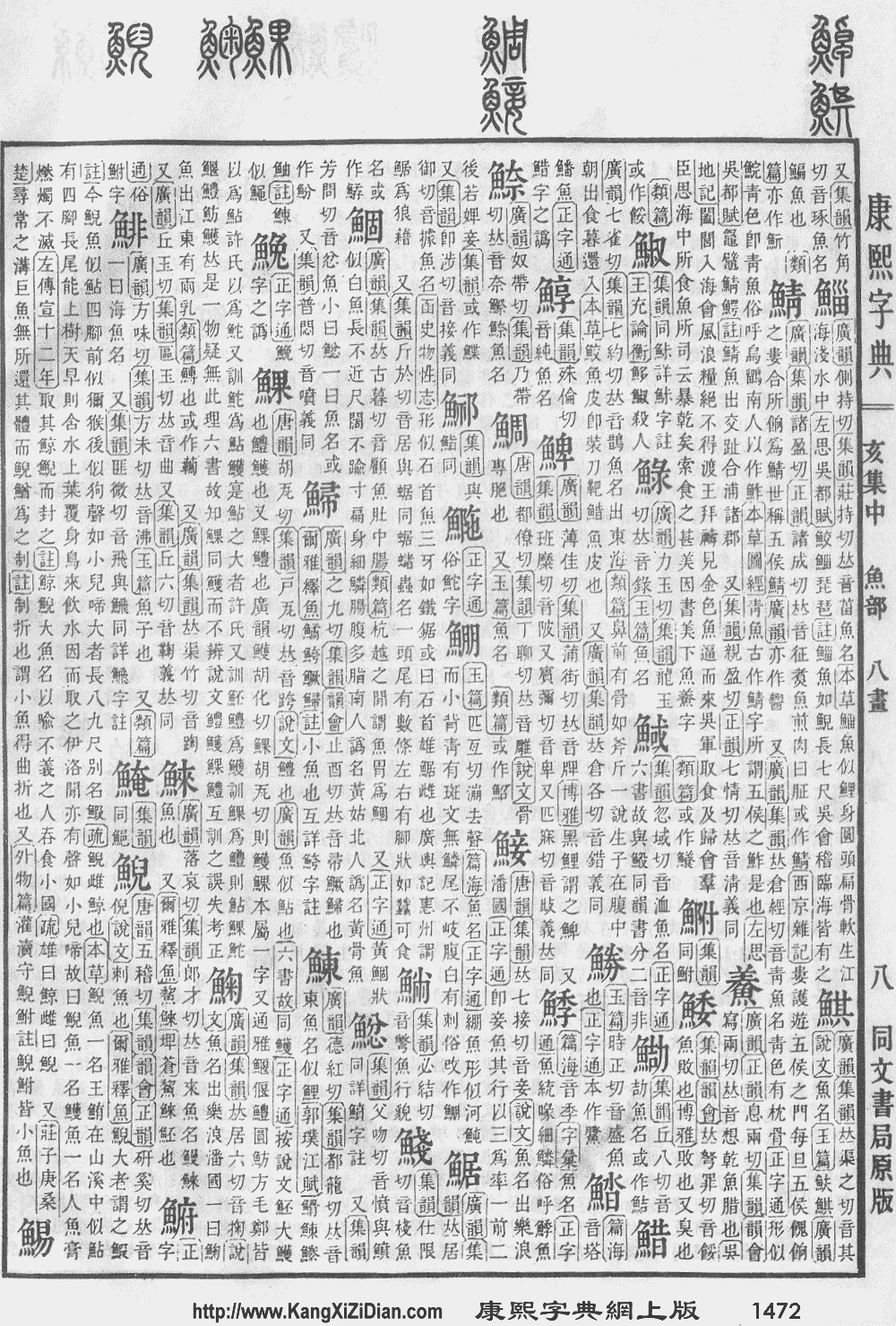
- KangXi: page 1472, character 26
- Dai Kanwa Jiten: character 46235
- Dae Jaweon: page 2004, character 35
- Hanyu Da Zidian (first edition): volume 7, page 4696, character 6
- Unihan data for U+9BDD
Chinese
| trad. | 鯝 | |
|---|---|---|
| simp. | 鲴 | |
Glyph origin
Characters in the same phonetic series (古) (Zhengzhang, 2003)
| Old Chinese | |
|---|---|
| 箇 | *kaːls |
| 個 | *kaːls |
| 居 | *kɯ, *kas |
| 橭 | *kaː, *kʰaː |
| 嫴 | *kaː |
| 姑 | *kaː |
| 辜 | *kaː |
| 酤 | *kaː, *kaːs, *ɡaːʔ |
| 蛄 | *kaː |
| 鴣 | *kaː |
| 沽 | *kaː, *kaːʔ, *kaːs |
| 盬 | *kaː, *kaːʔ |
| 古 | *kaːʔ |
| 罟 | *kaːʔ |
| 估 | *kaːʔ |
| 鈷 | *kaːʔ |
| 詁 | *kaːʔ |
| 牯 | *kaːʔ |
| 故 | *kaːs |
| 固 | *kaːs |
| 稒 | *kaːɡs |
| 痼 | *kaːɡs |
| 錮 | *kaːɡs |
| 鯝 | *kaːɡs |
| 棝 | *kaːɡs |
| 凅 | *kaːɡs |
| 枯 | *kʰaː |
| 軲 | *kʰaː |
| 跍 | *kʰaː |
| 骷 | *kʰaː |
| 苦 | *kʰaːʔ, *kʰaːs |
| 葫 | *qʰaː, *ɡaː |
| 餬 | *ɡaː |
| 瑚 | *ɡaː |
| 湖 | *ɡaː |
| 鶘 | *ɡaː |
| 猢 | *ɡaː |
| 醐 | *ɡaː |
| 糊 | *ɡaː |
| 箶 | *ɡaː |
| 蝴 | *ɡaː |
| 胡 | *ɡaː |
| 瓳 | *ɡaː |
| 怙 | *ɡaːʔ |
| 祜 | *ɡaːʔ |
| 岵 | *ɡaːʔ |
| 婟 | *ɡaːʔ, *ɡaːɡs |
| 楛 | *ɡaːʔ |
| 据 | *ka |
| 裾 | *ka |
| 琚 | *ka |
| 椐 | *ka, *kas, *kʰa |
| 鶋 | *ka |
| 蜛 | *ka |
| 崌 | *ka |
| 涺 | *ka |
| 腒 | *ka, *ɡa |
| 鋸 | *kas |
| 倨 | *kas |
| 踞 | *kas |
| 涸 | *ɡaːɡ |
Pronunciation
Japanese
Kanji
鯝
- This term needs a translation to English. Please help out and add a translation, then remove the text
{{rfdef}}.
Korean
Hanja
鯝 • (go) (hangeul 고, revised go, McCune–Reischauer ko, Yale ko)
- This term needs a translation to English. Please help out and add a translation, then remove the text
{{rfdef}}.
This article is issued from Wiktionary. The text is licensed under Creative Commons - Attribution - Sharealike. Additional terms may apply for the media files.