脧
See also: 朘
| ||||||||
Translingual
Han character
脧 (Kangxi radical 130, 肉+7, 11 strokes, cangjie input 月戈金水 (BICE) or X月戈金水 (XBICE), four-corner 73247, composition ⿰⺼夋)
References
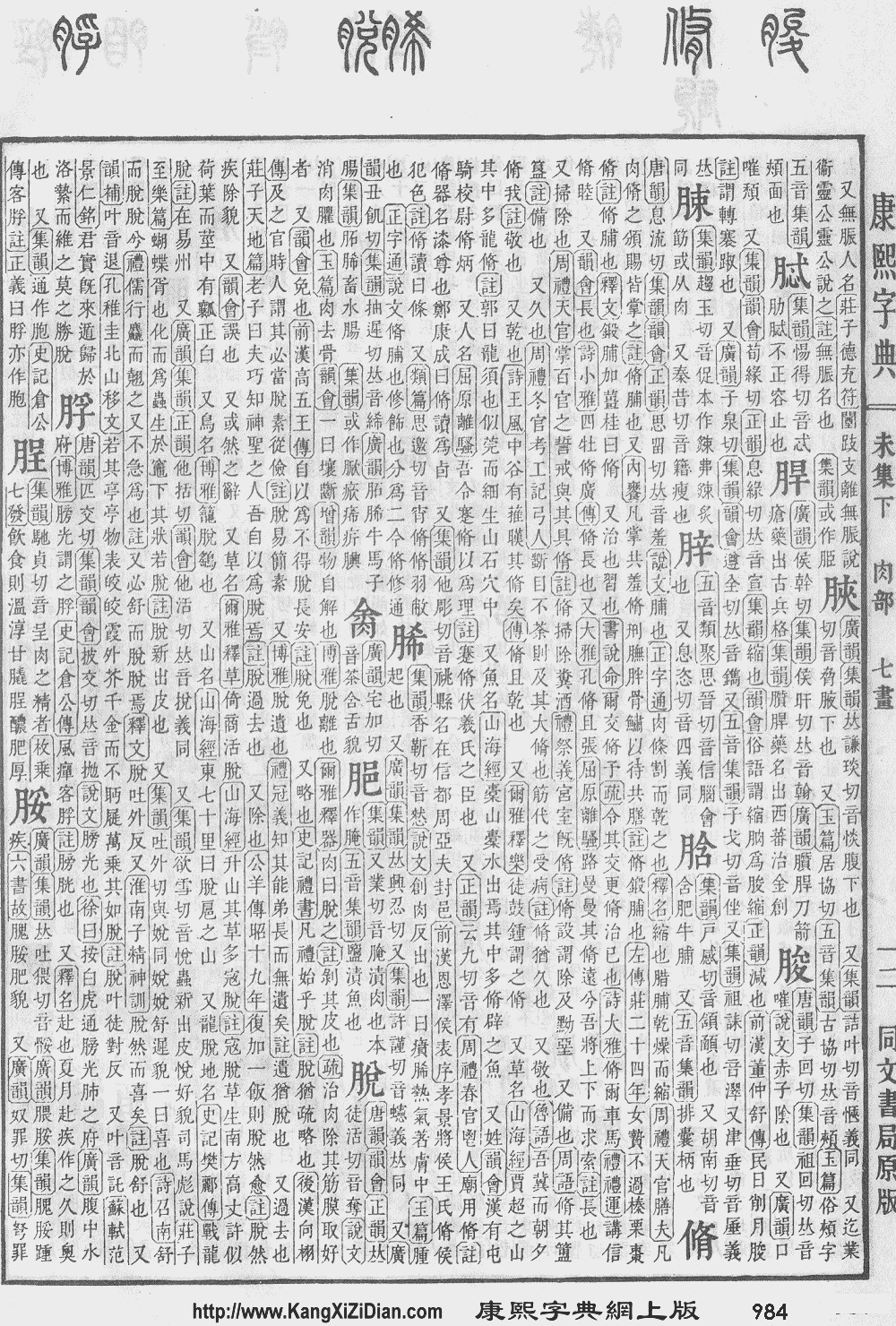
- KangXi: page 984, character 4
- Dai Kanwa Jiten: character 29531
- Dae Jaweon: page 1436, character 18
- Hanyu Da Zidian (first edition): volume 3, page 2082, character 10
- Unihan data for U+8127
Chinese
Glyph origin
Characters in the same phonetic series (允) (Zhengzhang, 2003)
| Old Chinese | |
|---|---|
| 唆 | *sloːl |
| 梭 | *sloːl |
| 葰 | *sloːlʔ, *sroːlʔ, *slul |
| 誜 | *sroːls |
| 朘 | *ʔslon |
| 捘 | *ʔsluːls, *ʔsluːns, *sʰlun |
| 荾 | *slul |
| 酸 | *sloːn |
| 狻 | *sloːn |
| 痠 | *sloːn |
| 鋑 | *ʔslon |
| 脧 | *ʔsluːl |
| 悛 | *sʰlon |
| 吮 | *zlonʔ, *ɦljunʔ |
| 萒 | *ɡronʔ, *lonʔ |
| 沇 | *lonʔ |
| 抁 | *lonʔ |
| 馻 | *lonʔ, *lunʔ |
| 兖 | *lonʔ |
| 渷 | *lonʔ |
| 兗 | *lonʔ |
| 焌 | *ʔsluːns, *ʔsluns, *sʰlud |
| 允 | *lunʔ |
| 狁 | *lunʔ |
| 玧 | *lunʔ |
| 俊 | *ʔsluns |
| 晙 | *ʔsluns, *sluns |
| 餕 | *ʔsluns |
| 畯 | *ʔsluns |
| 駿 | *ʔsluns |
| 竣 | *sʰlun |
| 皴 | *sʰlun |
| 逡 | *sʰlun |
| 踆 | *sʰlun |
| 夋 | *sʰlun |
| 埈 | *sluns |
| 陖 | *sluns |
| 鵕 | *sluns |
| 浚 | *sluns |
| 峻 | *sluns |
Phono-semantic compound (形聲, OC *ʔsluːl) : semantic 肉 (“flesh; meat”) + phonetic 夋 (OC *sʰlun).
Pronunciation
Synonyms
Dialectal synonyms of 陰莖 (“penis; male genitalia”) [map]
Compounds
Pronunciation
Etymology 3
| For pronunciation and definitions of 脧 – see 臇 (“thick meat stew; fat, rich; etc.”). (This character, 脧, is a variant form of 臇.) |
References
- “脧”, in 漢語多功能字庫 (Multi-function Chinese Character Database), 香港中文大學 (the Chinese University of Hong Kong), 2014–
Japanese
Kanji
脧
- This term needs a translation to English. Please help out and add a translation, then remove the text
{{rfdef}}.
Korean
Hanja
脧 • (joe) (hangeul 죄, revised joe, McCune–Reischauer choe, Yale coy)
- This term needs a translation to English. Please help out and add a translation, then remove the text
{{rfdef}}.
This article is issued from Wiktionary. The text is licensed under Creative Commons - Attribution - Sharealike. Additional terms may apply for the media files.