誤
See also: 误
| ||||||||
Translingual
| Japanese | 誤 |
|---|---|
| Simplified | 误 |
| Traditional | 誤 |
Han character
誤 (Kangxi radical 149, 言+7, 14 strokes, cangjie input 卜口口一大 (YRRMK) or 卜口口女大 (YRRVK), four-corner 06681, composition ⿰訁吴 or ⿰訁呉 or ⿰訁吳)
References
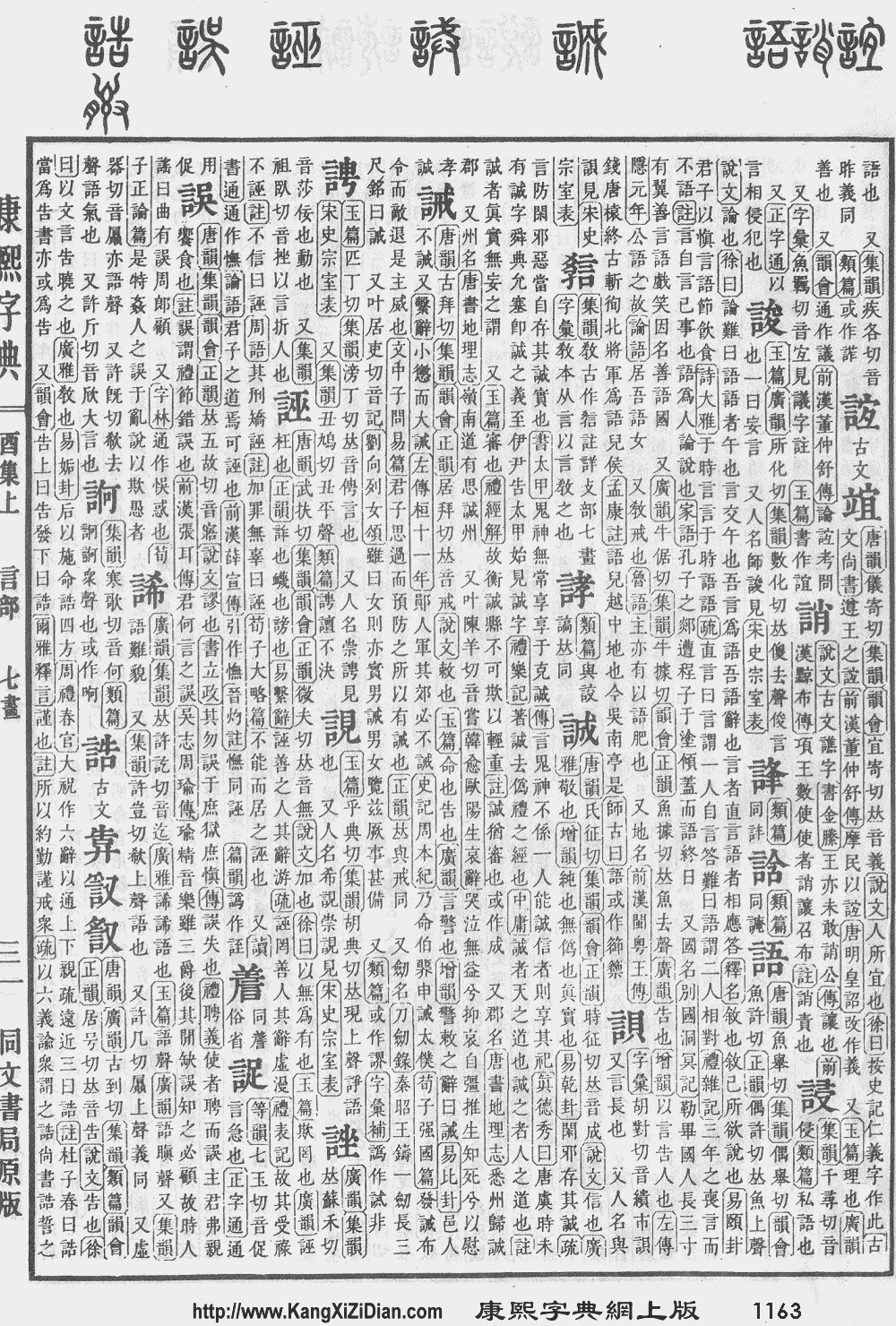
- KangXi: page 1163, character 20
- Dai Kanwa Jiten: character 35546
- Dae Jaweon: page 1629, character 4
- Hanyu Da Zidian (first edition): volume 6, page 3976, character 3
- Unihan data for U+8AA4
Chinese
| trad. | 誤 | |
|---|---|---|
| simp. | 误 | |
| alternative forms | 悞/悮 | |
Glyph origin
Characters in the same phonetic series (吳) (Zhengzhang, 2003)
Phono-semantic compound (形聲, OC *ŋʷaːs) : semantic 言 (“speech”) + phonetic 吳 (OC *ŋʷaː) – to speak an error.
Pronunciation
Definitions
誤
- incorrect
- error; mistake
- to miss
- to hinder; to impair; to delay
- 但是我這銀子,三日內有個要緊用處,你可別誤了我的事! [Written Vernacular Chinese, trad.]
- From: 1907 CE, Liu E, The Travels of Lao Can
- Dànshì wǒ zhè yínzi, sānrì nèi yǒu ge yàojǐn yòngchù, nǐ kě bié wù le wǒ de shì! [Pinyin]
- But I have an important use for this money in three days. Don't mess things up for me!
但是我这银子,三日内有个要紧用处,你可别误了我的事! [Written Vernacular Chinese, simp.]
- to confuse; to delude
- mistakenly
Compounds
Derived terms from 誤
|
|
Japanese
| Shinjitai | 誤 |  |
| Kyūjitai [1][2][3] |
誤󠄁 誤+ 󠄁?(Adobe-Japan1) |
 |
| 誤󠄄 誤+ 󠄄?(Hanyo-Denshi) (Moji_Joho) | ||
| The displayed kanji may be different from the image due to your environment. See here for details. | ||
Readings
Compounds
Compounds
- 誤飲 (goin)
- 誤嚥 (goen)
- 誤解 (gokai): misunderstanding
- 誤記 (goki)
- 誤見 (goken)
- 誤差 (gosa): error (difference between a measured or calculated value and a true one)
- 誤殺 (gosatsu)
- 誤察 (gosatsu)
- 誤作動 (go-sadō)
- 誤算 (gosan): miscalculation
- 誤字 (goji): a typo
- 誤字る (gojiru): (informal) to make a misspelling or mistyping
- 誤写 (gosha)
- 誤射 (gosha)
- 誤称 (goshō): misnomer
- 誤食 (goshoku)
- 誤植 (goshoku): misprint, typo
- 誤信 (goshin)
- 誤診 (goshin): wrong diagnosis; misdiagnosis
- 誤審 (goshin)
- 誤送 (gosō)
- 誤想 (gosō)
- 誤送信 (go-sōshin)
- 誤脱 (godatsu)
- 誤断 (godan)
- 誤伝 (goden)
- 誤電 (goden)
- 誤答 (gotō)
- 誤動作 (go-dōsa)
- 誤投与 (go-tōyo)
- 誤読 (godoku): mispronunciation
- 誤認 (gonin)
- 誤納 (gonō)
- 誤配 (gohai)
- 誤爆 (gobaku): bombing wrong target; explosion by mistake; (Internet slang) posting comment on wrong place
- 誤払い (gobarai)
- 誤判 (gohan)
- 誤判断 (go-handan)
- 誤謬 (gobyū): (logic) fallacy, error
- 誤品 (gohin)
- 誤聞 (gobun)
- 誤変換 (go-henkan)
- 誤報 (gohō): to report incorrectly; to misinform; to produce a false alarm
- 誤魔化す (gomakasu): deceive, falsify
- 誤訳 (goyaku): mistranslation
- 誤用 (goyō)
- 誤療 (goryō)
- 医療過誤 (iryō kago)
- 過誤 (kago)
- 刊誤 (kango)
- 弘法にも筆の誤り (kōbō ni mo fude no ayamari): even Homer nods: even the experts make mistakes
- 錯誤 (sakugo): mistake, error, discrepancy
- 差誤 (sago)
- 試行錯誤 (shikō sakugo): trial and error
- 事実誤認 (jijitsu gonin): mistake a fact
- 時代錯誤 (jidai sakugo): anachronism
- 失誤 (shitsugo)
- 正誤 (seigo)
- 間誤付く (magotsuku): to be confused; to be flustered; to be at a loss
References
- 白川静 (Shirakawa Shizuka) (2014), “誤”, in 字通 普及版 (Jitsū fukyūban, “Jitsū trade edition”) (in Japanese), Tōkyō: Heibonsha, →ISBN
- 1914, 漢和大辭書 (Kanwa Dai Jisho, “The Great Kanji-Japanese Dictionary”) (in Japanese), page 1975 (paper), page 1039 (digital), Tōkyō: 興文社 (Kōbunsha)
- 1927, 新漢和辭典 (Shin Kanwa Jiten, “The New Kanji-Japanese Dictionary”) (in Japanese), page 1125 (paper), page 575 (digital), Ōsaka: 松雲堂 (Shōundō)
Korean
Hanja
Vietnamese
This article is issued from Wiktionary. The text is licensed under Creative Commons - Attribution - Sharealike. Additional terms may apply for the media files.