贓
See also: 赃
| ||||||||
Translingual
Han character
贓 (Kangxi radical 154, 貝+14, 21 strokes, cangjie input 月金戈一尸 (BCIMS), four-corner 63850, composition ⿰貝臧)
See also
References
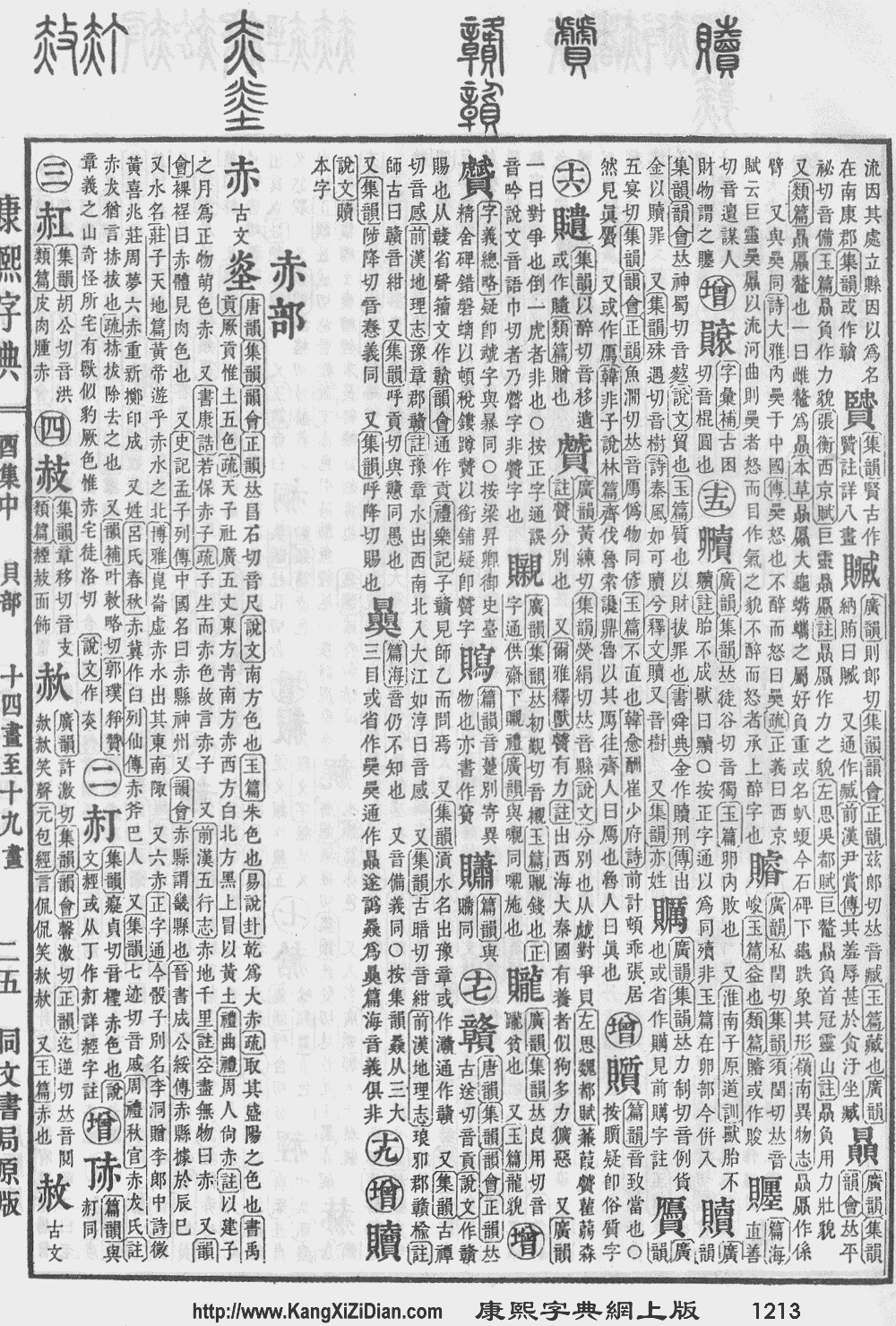
- KangXi: page 1213, character 2
- Dai Kanwa Jiten: character 36962
- Dae Jaweon: page 1679, character 17
- Hanyu Da Zidian (first edition): volume 6, page 3660, character 1
- Unihan data for U+8D13
Chinese
| trad. | 贓/贜 | |
|---|---|---|
| simp. | 赃 | |
| nonstandard simp. | 𰷭 | |
| alternative forms | 賍/赃 賘 贜 | |
Glyph origin
Characters in the same phonetic series (爿) (Zhengzhang, 2003)
| Old Chinese | |
|---|---|
| 臧 | *ʔsaːŋ |
| 牂 | *ʔsaːŋ |
| 戕 | *kaːl, *ʔsaːŋ, *zaŋ |
| 贓 | *ʔsaːŋ |
| 藏 | *zaːŋ, *zaːŋs |
| 奘 | *zaːŋʔ, *zaːŋs |
| 臟 | *zaːŋs |
| 將 | *ʔsaŋ, *ʔsaŋs |
| 漿 | *ʔsaŋ |
| 鱂 | *ʔsaŋ |
| 蔣 | *ʔsaŋ, *ʔsaŋʔ |
| 螿 | *ʔsaŋ |
| 槳 | *ʔsaŋʔ |
| 獎 | *ʔsaŋʔ |
| 醬 | *ʔsaŋs |
| 鏘 | *sʰaŋ |
| 蹡 | *sʰaŋ, *ʔshaŋs |
| 嶈 | *sʰaŋ |
| 斨 | *sʰaŋ |
| 爿 | *braːn, *zaŋ |
| 牆 | *zaŋ |
| 妝 | *ʔsraŋ |
| 莊 | *ʔsraŋ |
| 裝 | *ʔsraŋ, *ʔsraŋs |
| 壯 | *ʔsraŋs |
| 疒 | *rnɯːɡ, *zraŋ |
| 床 | *zraŋ |
| 牀 | *zraŋ |
| 狀 | *zraŋs |
Pronunciation
Compounds
Japanese
Kanji
贓
- This term needs a translation to English. Please help out and add a translation, then remove the text
{{rfdef}}.
Korean
Etymology
From Middle Chinese 贓 (MC t͡sɑŋ).
| Historical Readings | ||
|---|---|---|
| Dongguk Jeongun Reading | ||
| Dongguk Jeongun, 1448 | Recorded as Middle Korean 자ᇰ (Yale: càng) in Dongguk Jeongun (東國正韻 / 동국정운), 1448. | |
| Middle Korean | ||
| Text | Eumhun | |
| Gloss (hun) | Reading | |
| Hunmong Jahoe, 1527 | 자ᇰ믈〮[1] 자ᇰ | Recorded as Middle Korean 자ᇰ (cang) (Yale: càng) in Hunmong Jahoe (訓蒙字會 / 훈몽자회), 1527. |
| ||
Pronunciation
- (SK Standard/Seoul) IPA(key): [t͡ɕa̠ŋ]
- Phonetic hangul: [장]
Vietnamese
This article is issued from Wiktionary. The text is licensed under Creative Commons - Attribution - Sharealike. Additional terms may apply for the media files.